Elon Musk has said in multiple interviews that books shaped his worldview more than any single experience. As a kid in South Africa, he read for hours every day. When he ran out of books at the local library, he started on encyclopedias. Before founding SpaceX, he taught himself rocket science partly through textbooks.
His reading list reflects that breadth. There’s science fiction next to structural engineering, philosophy alongside entrepreneurship, and AI safety beside Tolkien. The common thread is systems thinking. Every book on this list tackles how complex systems work, whether those systems are civilizations, rockets, markets, or artificial minds.
Here are the books Musk has publicly recommended, with his own quotes where available.
Jump to:Philosophy and Foundations
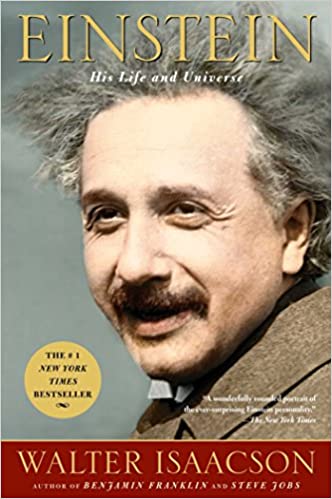
The Hitchhiker’s Guide to the Galaxy by Douglas Adams
Musk was reading heavy philosophy as a teenager (Schopenhauer, Nietzsche) and found himself in a dark place. Then he discovered Douglas Adams. The shift mattered. Adams’ absurdist humor and the idea that the answer to life, the universe, and everything is “42” resonated with Musk in a way that serious philosophy hadn’t.
My sort of philosophical foundation is in line with Douglas Adams, “The Hitchhiker’s Guide to the Galaxy.” Everyone has their sort of favorite philosopher, but my favorite philosopher is Douglas Adams.
Elon Musk, CBS News
The takeaway Musk cites: sometimes the question is harder than the answer. It’s a book about perspective, wrapped in comedy about aliens and improbable physics.
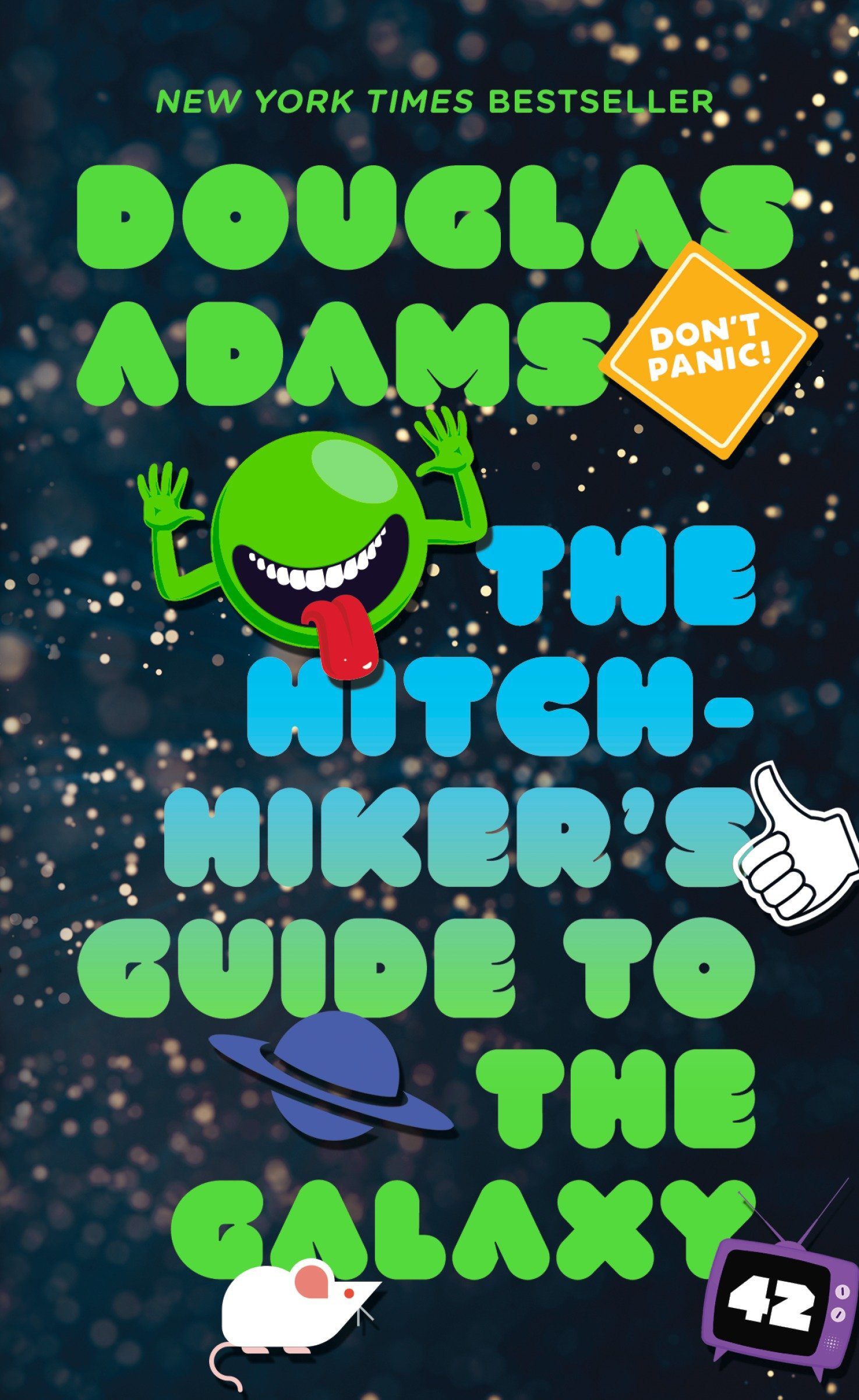
Einstein: His Life and Universe by Walter Isaacson
Isaacson’s biography covers Einstein from patent clerk to the most famous scientist in history. Musk admires the pattern: someone with unconventional thinking who changed the world through ambition and intelligence rather than institutional credibility.
This is one of several Isaacson biographies Musk has recommended (he also endorses the Franklin biography below). Isaacson later wrote the authorized biography of Musk himself.
Engineering and Science
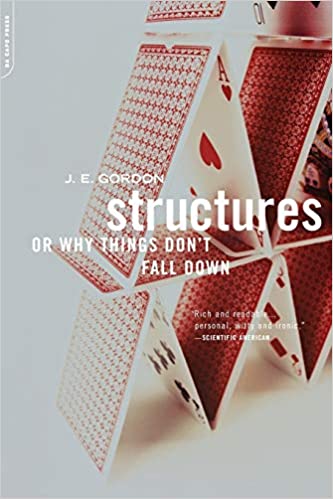
Structures: Or Why Things Don’t Fall Down by J.E. Gordon
Before SpaceX, Musk needed to understand rocket science. This book was part of his self-education. Gordon explains structural engineering principles in accessible language, covering everything from why bridges stand to why buildings collapse.
“It is really, really good if you want a primer on structural design.”
Elon Musk, KCRW interview
Useful for anyone curious about how physical things are built, not just engineers. Gordon writes with dry British humor that makes the technical content go down easily.
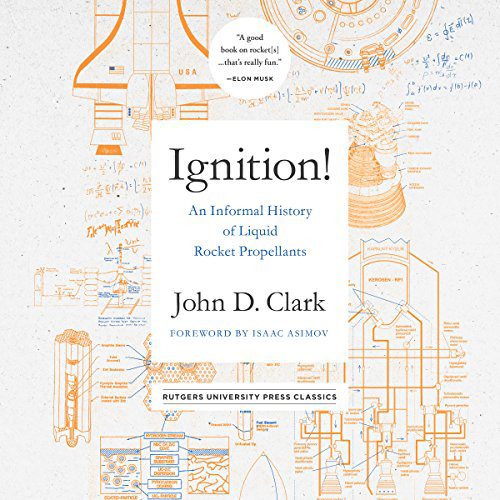
Ignition! An Informal History of Liquid Rocket Propellants by John D. Clark
A technical history of rocket fuel development that reads like an adventure story. Clark was a chemist who worked on rocket propellants during the Space Race, and he writes about the explosions, failures, and breakthroughs with genuine humor.
“There is a good book on rocket stuff called ‘Ignition!’ by John Clark that’s a really fun one.”
Elon Musk
The original hardcover was notoriously expensive (several hundred dollars for used copies), but the Rutgers University Press reprint made it accessible again. The audiobook version is also available on Audible.
Entrepreneurship
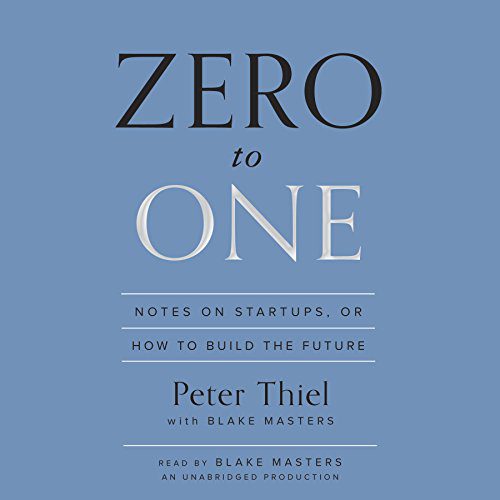
Zero to One by Peter Thiel
Peter Thiel co-founded PayPal with Musk (among others). Zero to One is Thiel’s argument that true innovation means creating something new (“going from zero to one”) rather than copying what works (“going from one to n”).
Musk’s endorsement carries weight because he lived the PayPal story alongside Thiel. The book’s emphasis on monopoly thinking and contrarian ideas aligns with how Musk approaches business: don’t compete in existing markets, create new ones.
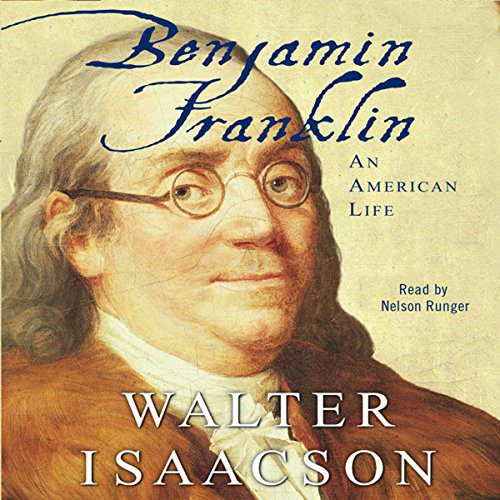
Benjamin Franklin: An American Life by Walter Isaacson
Another Isaacson biography. Musk admires Franklin as an inventor, scientist, and entrepreneur who started from nothing. Franklin ran away from home as a teenager and built himself into one of the most accomplished people in American history.
“You can see how [Franklin] was an entrepreneur, he started from nothing. He was just a runaway kid.”
Elon Musk
The self-made aspect is what Musk connects with. Franklin didn’t inherit his position. He earned it through relentless curiosity and practical intelligence.
Artificial Intelligence
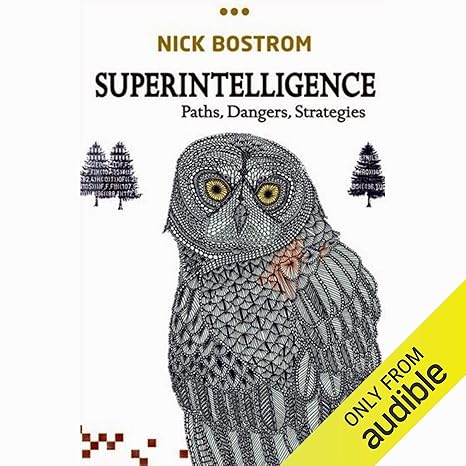
Superintelligence: Paths, Dangers, Strategies by Nick Bostrom
Bostrom’s book examines what happens when artificial intelligence surpasses human intelligence. It maps out possible scenarios and the strategies humanity might need to survive the transition. Musk has been vocal about AI risk, and this book is one of his primary references.
The book is academic in tone and dense in places. It’s not light reading. But if you want to understand why people like Musk take AI safety seriously, this is the foundational text.
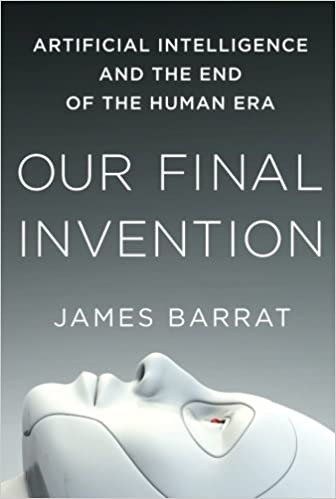
Our Final Invention by James Barrat
Where Bostrom is academic, Barrat is journalistic. Our Final Invention explores the AI safety question through interviews with researchers at Google, DARPA, IBM, and other organizations. Musk tweeted that the book is “worth reading.”
Barrat’s argument: the companies building advanced AI are not adequately preparing for the risks. Whether you agree with the level of alarm, the reporting on what’s happening inside AI labs is valuable on its own.
Sci-Fi and Fantasy
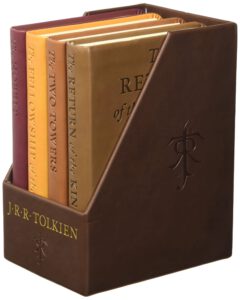
The Lord of the Rings by J.R.R. Tolkien and The Foundation Series by Isaac Asimov
Musk groups these together for a reason. In an interview with The New Yorker, he said the heroes in both series “always felt a responsibility to save humankind.” That impulse, the duty to protect civilization, runs through Musk’s own public narrative about SpaceX and making humanity multi-planetary.
The Foundation series is Musk’s all-time favorite sci-fi. Asimov’s concept of “psychohistory” (using math to predict the future of civilizations) appeals to the engineer’s desire to model complex systems.
If you’re into Tolkien, check out our guide to Lord of the Rings merchandise.
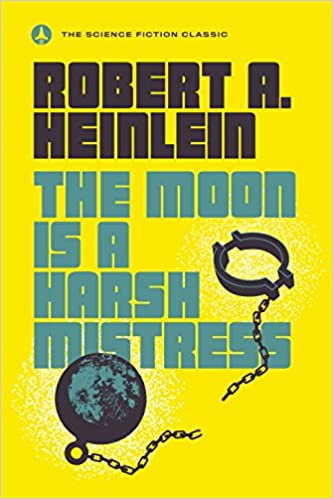
The Moon Is a Harsh Mistress by Robert Heinlein
Published in 1966, this novel follows a lunar colony’s rebellion against Earth. A sentient computer, a one-armed technician, and a political agitator lead the revolution. The book explores libertarian political philosophy, AI consciousness, and what happens when a colony decides it’s done being exploited.
In a 2014 MIT symposium, Musk called this Heinlein’s best work. Given Musk’s stated goal of colonizing Mars, the parallels are obvious. The book asks what kind of society you’d build if you started from scratch on another world.
What’s Next
For another tech leader’s reading list, check out Seth Godin’s favorite books. The overlap is interesting (both recommend sci-fi alongside business books), but the lists diverge in telling ways.
If AI interests you, browse our best computer science audiobooks for more on the topic.
For more book recommendations, explore our best marketing books collection and our Audible Originals guide.
About These Recommendations
I’m George. I read to my kids for 10+ years before they started reading on their own. My wife’s a therapist who helped pick books that actually matter for development. Everything on this site got tested on our family first.
FAQs
Musk has called The Foundation series by Isaac Asimov his all-time favorite sci-fi. His philosophical foundation, by his own words, comes from The Hitchhiker’s Guide to the Galaxy by Douglas Adams. Both have influenced his thinking about humanity’s future.
Musk has recommended Structures: Or Why Things Don’t Fall Down by J.E. Gordon for structural engineering fundamentals and Ignition! by John D. Clark for the history of rocket propellants. He also taught himself from university-level physics and engineering textbooks.
Superintelligence by Nick Bostrom (academic analysis of AI risk scenarios) and Our Final Invention by James Barrat (journalistic investigation into AI safety). Both books inform Musk’s public stance that AI development needs stronger safety measures.
Zero to One by Peter Thiel (his PayPal co-founder) on building new things rather than copying, and Benjamin Franklin: An American Life by Walter Isaacson on the archetype of the self-made inventor-entrepreneur.
Yes. Musk regularly recommends science fiction: The Foundation series by Isaac Asimov, The Lord of the Rings by Tolkien, The Moon Is a Harsh Mistress by Robert Heinlein, and The Hitchhiker’s Guide to the Galaxy by Douglas Adams. He draws connections between sci-fi themes and his real-world ambitions.
Musk has publicly recommended at least a dozen books across interviews, tweets, and public appearances. This list covers 10 of his most frequently cited recommendations, spanning philosophy, engineering, entrepreneurship, AI, and science fiction.