
We recommend books and products we believe in. Some links on this page are affiliate links. As an Amazon Associate and a Bookshop.org affiliate, I earn from qualifying purchases, at no extra cost to you. Read our affiliate disclosure.
My son and daughter are long past picture books now. Looking back, the years from three to six taught me the most about reading habits. What works at three can fail at four, and what clicks at five can feel too simple by six.
My wife did most of the reading to them at that age, and I took my turns. She is a therapist, and she helped pick books that fit where each kid was developmentally. Some of the picks on these lists come from our own shelves. The rest come from research. Reviews, other parents, and what the kids brought home from school all fed in.
Quick Navigation
Picture books and story books for kids: quick picks
If you only need one book per age, start with these. Each age list below has more.
- Age 3: The Gruffalo. Rhyme, repetition and a small mouse who outwits a monster.
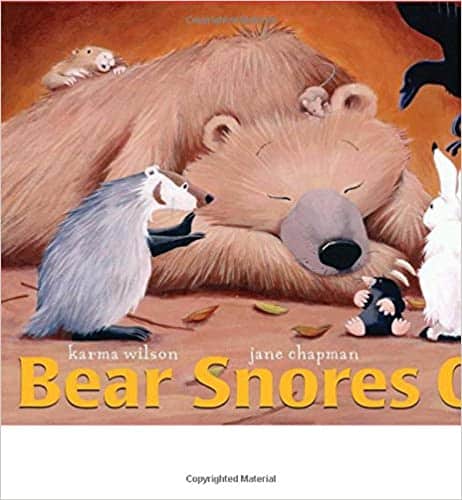
- Age 4: Bear Snores On. A short rhyming read-aloud with a big finish.
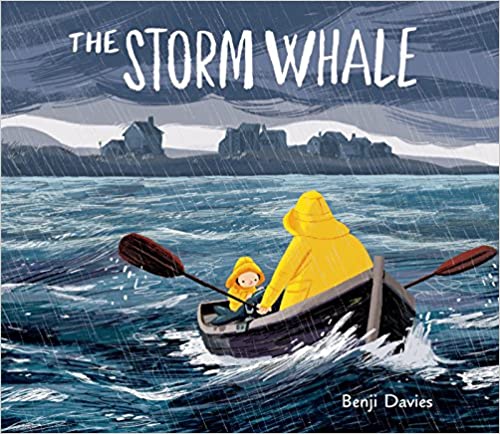
- Age 5: The Storm Whale. A quiet story with more feeling than plot.
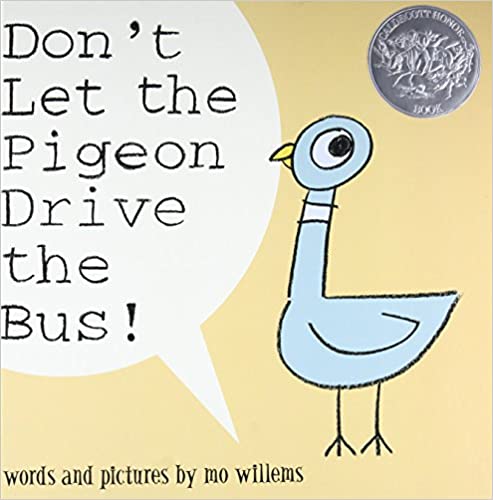
- Age 6: Don’t Let the Pigeon Drive the Bus. Kids get to shout back at the book.

Why age-based picks work
Kids change fast. The right book at the right stage can turn a reluctant reader into a kid who asks for one more chapter. The wrong pick can shut the whole thing down for weeks. That is why we sort by age first, then by interests. Once the reading level feels right, kids are more willing to try new stories and stick with them.
If you are between two age groups, start with the easier list and move up once confidence is steady.
Ages 3 and 4
At three and four, rhythm and repetition matter more than plot complexity. Short books a child can memorize and retell usually get the most rereads.
Ages 5 and 6
At five and six, kids usually want more story depth and stronger characters. My kids could sit through longer stories by this age. This is where series and chapter transitions start to matter.
Longer stories work well as audiobooks too. Many of the picks on these lists are on Audible, which helps in the car, where the parent who usually reads aloud is busy driving.
Best Books for 5 Year Olds
Longer stories and early series choices that keep attention past picture-book length.
When in doubt, read one level down for confidence and one level up for stretch.
Extras that keep reading fun
Sometimes the right accessory or seasonal idea unlocks more reading than a new title does. These extras help when attention dips.

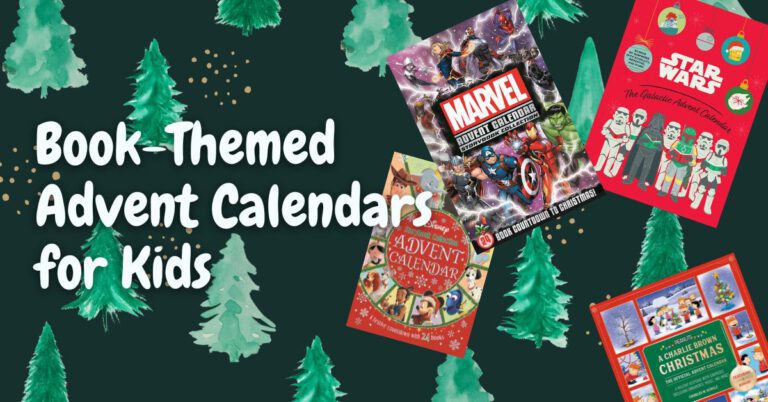
Books-Themed Advent Calendar for Kids
Seasonal reading setup that makes daily book time feel special.

For what comes after picture books, from early chapter books to manga, read Books for Dads to Read With Their Kids.
What’s Next

About These Recommendations
I’m George, a dad of two. My wife did most of the reading to our kids when they were little, and I did my share. She’s a therapist, and she helps pick the books that actually matter for their development. Some of what’s on this site we’ve read, watched or played as a family. Some I tried on my own first. The rest comes from research: reviews, episode guides, other parents online, and whatever the kids bring home from school.
FAQ
Around age three is a good start. Keep the sessions short and repeat favorite titles often.
Use both levels. Pick easier books for confidence and one stretch book for growth.
Start with short, high-interest books, read together daily, and celebrate completion more than difficulty.
Series usually win first because familiarity builds momentum. Add standalones once the habit is stable.
Good starting points are The Gruffalo at three, Bear Snores On at four, The Storm Whale at five, and Don’t Let the Pigeon Drive the Bus at six. Each age guide linked on this page has more picks.
Watch how long they sit through a story and whether they ask for it again. If a book keeps getting put down, try the list one age down. If they know every word by heart, move up a level.