The Best Books for your 5-year-old kid

Home » Best Books » The Best Books for your 5-year-old kid

Your support helps keep the site running! We recommend books and products we believe in. Some of the links on this page are affiliate links, which means we may earn a commission if you purchase through these links. Read our affiliate disclosure.

Five is when books start clicking.

My kids could sit through longer stories at this age. They noticed details in illustrations. They had favorite characters. They started predicting endings (and getting annoyed when they were wrong).

Five-year-olds want real plots with real stakes. They’re done with baby books but not ready for chapter books. These are the picture books that worked for us.


Quick Navigation


Best Overall Picks for 5-Year-Olds

These are the ones we kept coming back to. Tested on two kids, requested repeatedly.

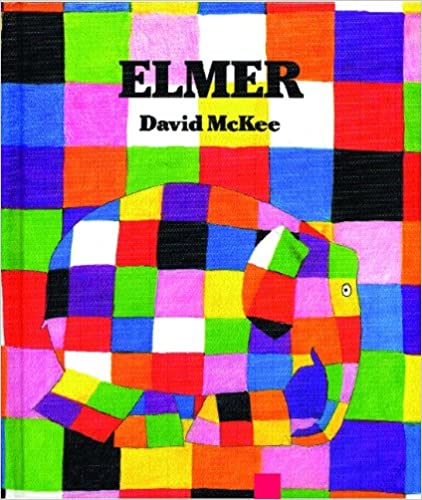
Elmer (Elmer Books)

By David McKee

Elmer is a patchwork elephant. Every other elephant is grey. He tries to blend in, realizes he can’t, and learns that’s fine. David McKee’s illustrations are bold and distinctive. Simple language makes it easy to follow. A classic that’s earned its reputation.
Elmer (Elmer Books)

What We Like Less:

Heavy on visuals, light on text. If you’re trying to build reading stamina, there’s not much to work with here. Great for reluctant readers, less great for kids who want longer stories.

Why You Are Going to Like it:

Elmer the patchwork elephant. A classic for a reason. David McKee’s illustrations are distinctive and the message about being yourself lands without being preachy. My kids both loved picking out all the different colors. Generations of families have grown up on this one.

Check Price on Amazon
Elmer (Elmer Books)

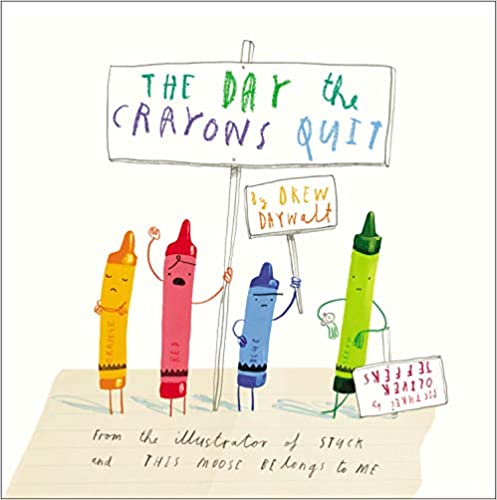
The Day the Crayons Quit

By Drew Daywalt, illustrated by Oliver Jeffers

Duncan opens his crayon box and finds letters. Red is tired of working on holidays. Beige feels ignored. Each crayon has a complaint. Drew Daywalt and Oliver Jeffers created something funny for kids and funnier for adults. My son thought the crayons were ‘being dramatic.’ He wasn’t wrong.
The Day the Crayons Quit

What We Like Less:

Younger kids need help understanding the letter format. The jokes land better with adult guidance. Great read-aloud, but not one they’ll get alone.

Why You Are Going to Like it:

Each crayon writes a complaint letter. Red is tired of working holidays. Beige feels ignored. It’s funny for kids and funnier for adults. Oliver Jeffers’ illustrations are perfect. My son thought the crayons were ‘being dramatic.’ He wasn’t wrong.

Check Price on Amazon
The Day the Crayons Quit

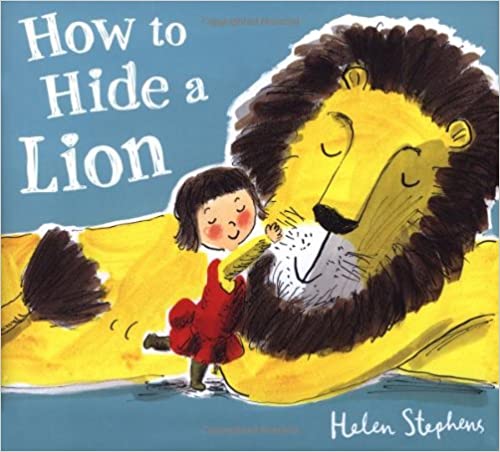
How to Hide a Lion (How to Hide a Lion, 1)

By Helen Stephens

Iris finds a lion at the shops. She takes him home and hides him from her parents. In her room, in the bathroom, everywhere. Helen Stephens created something funny and sweet about friendship and keeping secrets. My kids loved the absurdity of hiding something that big.
How to Hide a Lion​

What We Like Less:

The story is simple. Almost too simple. Some kids will want more plot. Works better for younger readers who love the absurdity.

Why You Are Going to Like it:

A girl hides a lion from her parents. Action, humor, a sweet friendship. Moves fast. My kids loved the absurdity of hiding something that big. Good for kids who lose interest in slow books.

Check Price on Amazon
How to Hide a Lion​

Books About Big Feelings

Five-year-olds feel everything intensely. These books help them process being different, feeling left out, and dealing with emotions they can’t name yet.

Giraffes Can’t Dance

By Giles Andreae, illustrated by Guy Parker-Rees

Gerald the giraffe can’t dance. His legs are too skinny, his neck is too long. The other animals laugh at him. Then he finds his own music. Giles Andreae wrote a book about finding what works for you, not what works for everyone else. The rhymes flow well.
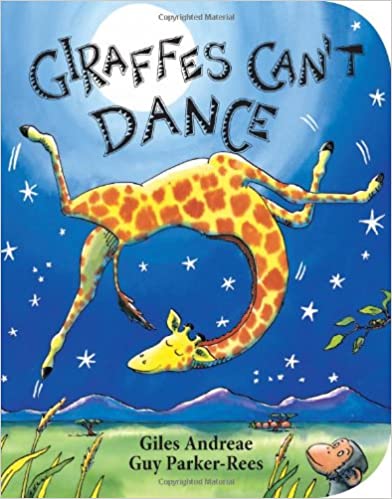
Giraffes Can’t Dance

What We Like Less:

Very whimsical. Light on substance. If you want books with deeper themes, this one floats on the surface. The message is there but it’s not exactly profound.

Why You Are Going to Like it:

Gerald the giraffe can’t dance until he finds his own music. Giles Andreae wrote a book about finding what works for you. The rhymes flow well and the ending is genuinely uplifting. Popular in schools for a reason.

Check Price on Amazon
Giraffes Can’t Dance

Something Else

By Kathryn Cave, illustrated by Chris Riddell

A creature tries everything to fit in. Nothing works. Then something else shows up at the door, also different, also looking for a friend. Kathryn Cave published this in 1994 and it still resonates. My daughter connected with this one when she started kindergarten and felt out of place.
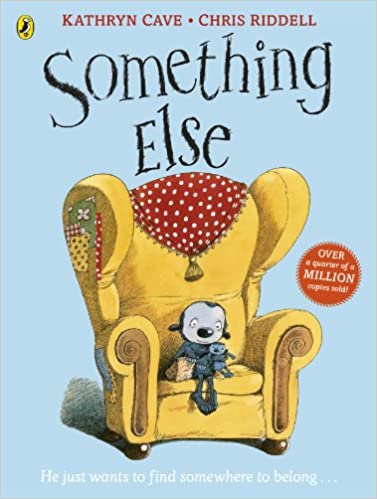
Something Else

What We Like Less:

The story does not fit well with younger kids.

Why You Are Going to Like it:

It is a straightforward story with a beautiful lesson. But this book can also end up teaching your child about labels. My kids love it!

Check Price on Amazon
Something Else

The Storm Whale

By Benji Davies

Noi lives by the sea with his dad who’s always working. After a storm, he finds a whale on the beach. Takes it home. Keeps it in the bathtub. But whales belong in the ocean. Benji Davies created something beautiful and a little sad. The illustrations are stunning.
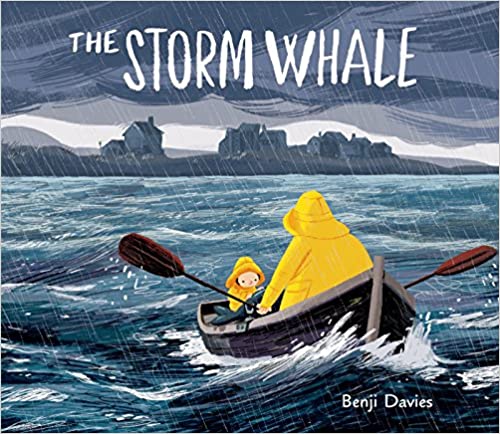
The Storm Whale

What We Like Less:

It’s melancholy. The whale leaves. If your kid struggles with sad endings, even bittersweet ones, this might not land well. Also sparse on text. More of a mood piece than a story.

Why You Are Going to Like it:

A boy finds a whale washed up after a storm. Takes it home. Has to let it go. Benji Davies created something beautiful and a little sad. The illustrations are stunning. Good for kids who are ready for stories with emotional weight.

Check Price on Amazon
The Storm Whale

The Rough Patch

By Brian Lies (Caldecott Honor)

Evan and his dog do everything together, including gardening. Then the dog dies. Evan destroys the garden. Slowly, he learns to grow things again. Brian Lies won a Caldecott Honor for this. Beautiful illustrations. Real emotions. My wife recommends this one for kids dealing with loss.
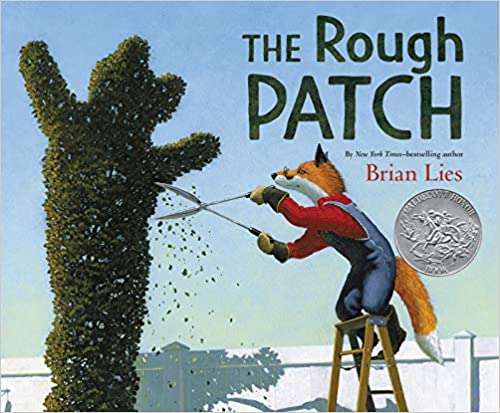
The Rough Patch: A Caldecott Honor Award Winner

What We Like Less:

Heavy topic. If your kid hasn’t experienced loss yet, this might introduce concepts they’re not ready for. Read it yourself first to decide.

Why You Are Going to Like it:

Evan and his dog do everything together, including gardening. Then the dog dies. Evan destroys the garden. Slowly, he learns to grow things again. Brian Lies won a Caldecott Honor for this. Beautiful illustrations. Real emotions. My wife recommends this one for kids dealing with loss.

Check Price on Amazon
The Rough Patch: A Caldecott Honor Award Winner

The Smeds and the Smoos

By Julia Donaldson, illustrated by Axel Scheffler

Romeo and Juliet but with aliens and a happy ending. Red Smeds and blue Smoos don’t mix. Until Janet and Bill fall in love. Their families have to figure it out. Julia Donaldson and Axel Scheffler deliver another winner. Good for talking about differences and acceptance.
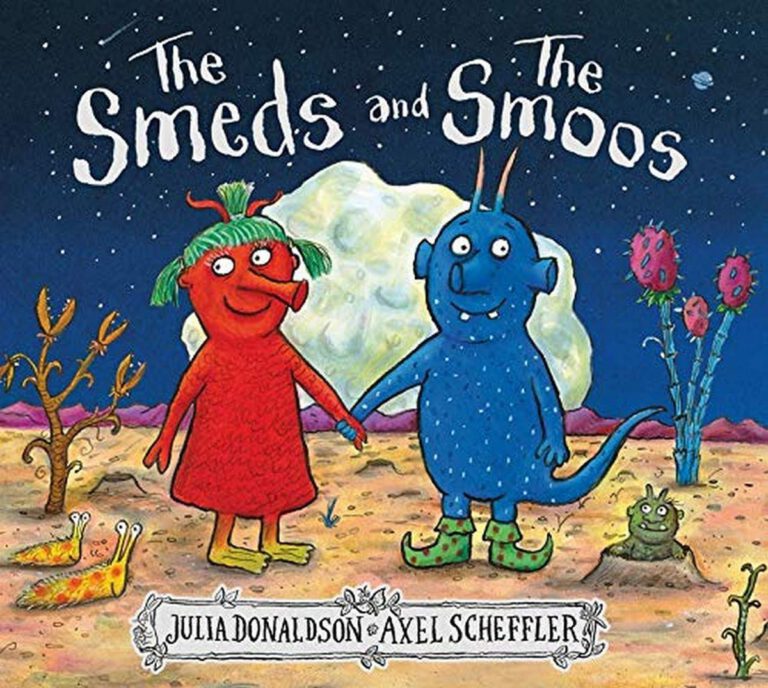
The Smeds and the Smoos

What We Like Less:

Some of the alien names are tricky to pronounce. ‘Vroom’ and ‘Grang’ are fine. ‘Doshtookamoo’ takes practice. The message is obvious, but that’s not always bad.

Why You Are Going to Like it:

Romeo and Juliet but with aliens and a happy ending. Red Smeds and blue Smoos don’t mix. Until Janet and Bill fall in love. Their families have to figure it out. Julia Donaldson and Axel Scheffler deliver another winner. Good for talking about differences and acceptance.

Check Price on Amazon
The Smeds and the Smoos

For Imaginative, Creative Kids

Art-focused, dreamlike, or about unlocking creativity. Good for kids who draw, paint, or see the world a little differently.

The Dot

By Peter H. Reynolds

Vashti says she can’t draw. Her teacher asks her to make a mark. She makes an angry dot. The teacher asks her to sign it. That dot becomes the start of something. Peter Reynolds wrote a book about creative confidence that actually works on kids who think they’re not artistic.
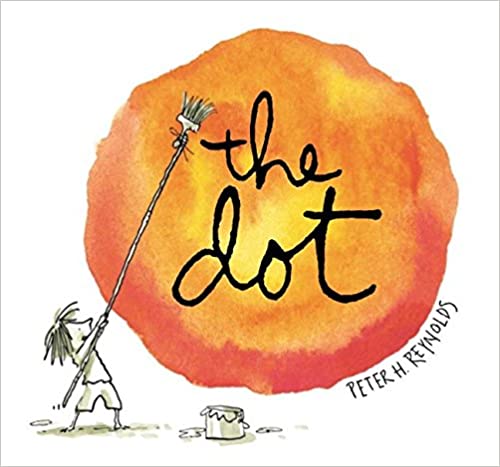
The Dot

What We Like Less:

Abstract concept. There’s no dragon, no adventure, no conflict really. If your kid wants a plot, they’ll wonder what the point is. Works best for artistically inclined kids or ones who need encouragement to try.

Why You Are Going to Like it:

A girl makes a dot on paper. Her teacher tells her to sign it. That dot becomes art. Peter Reynolds wrote a book about creative confidence that actually works. My daughter started drawing more after we read this. Sometimes one idea unlocks everything.

Check Price on Amazon
The Dot

What a Wonderful World

By Bob Thiele, illustrated by Tim Hopgood

Louis Armstrong’s song as a picture book. Bright, optimistic, beautiful art. Good for kids who love color and music. We’d sometimes sing along while reading. Short but sweet. More of a mood piece than a story.
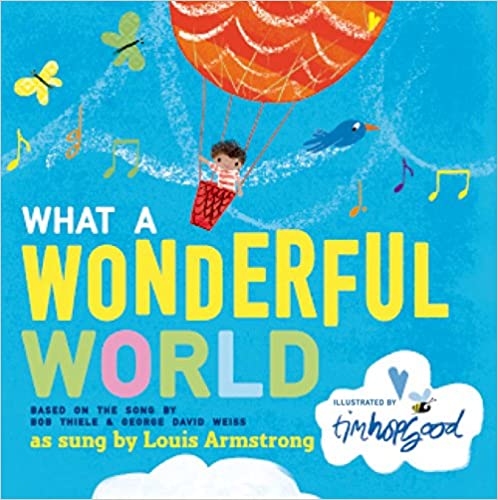
What a Wonderful World

What We Like Less:

Some editions don’t include the audio CD. Check before ordering if that matters to you. Also, it’s short. More of a mood piece than a story.

Why You Are Going to Like it:

Louis Armstrong’s song as a picture book. Bright, optimistic, beautiful art. Good for kids who love color and music. We’d sometimes sing along while reading.

Check Price on Amazon
What a Wonderful World

Stick Man

By Julia Donaldson, illustrated by Axel Scheffler

Julia Donaldson and Axel Scheffler again (they made The Gruffalo). Stick Man gets carried away from his family and has a wild journey home. The rhymes are satisfying. The ending is Christmas-y but works year-round. My daughter loved spotting where Stick Man ended up next.
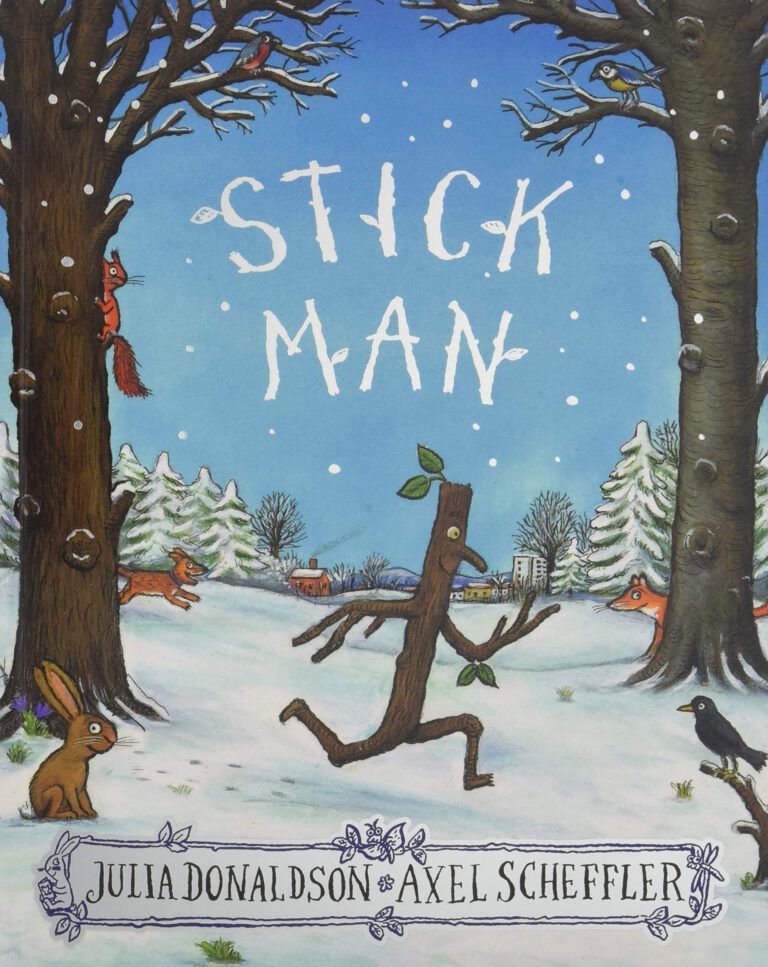
Stick Man

What We Like Less:

It’s a Christmas book technically, so reading it in July feels slightly off. Also, Stick Man goes through some rough moments that might upset sensitive kids. He almost gets burned.

Why You Are Going to Like it:

Julia Donaldson and Axel Scheffler again (they made The Gruffalo). Stick Man gets carried away from his family and has a wild journey home. The rhymes are satisfying. The ending is Christmas-y but works year-round. My daughter loved spotting where Stick Man ended up next.

Check Price on Amazon
Stick Man

For Active, Energetic Kids

These work for kids who can’t sit still. Fast-paced, funny, or with enough action to hold their attention.

Dragons Love Tacos

By Adam Rubin, illustrated by Daniel Salmieri

Dragons love tacos. All kinds of tacos. But they hate spicy salsa. What happens when someone brings spicy salsa to the dragon party? Adam Rubin wrote something genuinely funny. No deeper message, just entertainment. My son memorized the ‘no spicy salsa’ warning.
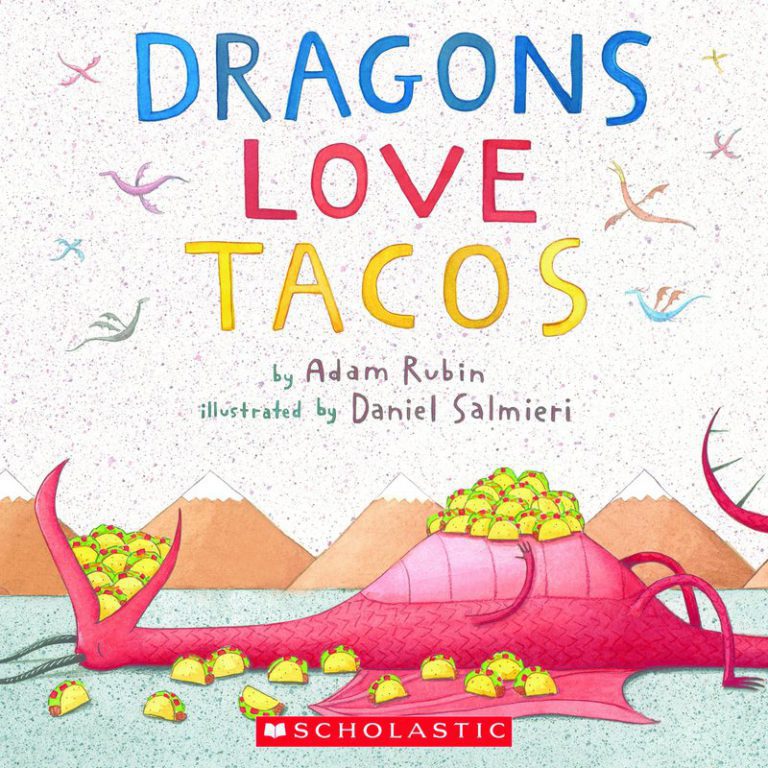
Dragons Love Tacos

What We Like Less:

There’s no real message here. It’s just silly fun. If you want books that teach something, look elsewhere. Also, might make your kid obsessed with tacos. Consider yourself warned.

Why You Are Going to Like it:

Dragons. Tacos. A party that goes wrong because of spicy salsa. Adam Rubin wrote something genuinely funny that kids request over and over. My son memorized the ‘no spicy salsa’ warning. Pure entertainment, no hidden lessons.

Check Price on Amazon
Dragons Love Tacos

Very Tricky Alfie Atkins

By Gunilla Bergstrom

Alfie Atkins is a Swedish classic by Gunilla Bergstrom. The story has genuine tension and a satisfying resolution. Clever without being complicated. Not as well-known in the US, but worth finding. My son liked the trickery aspect.
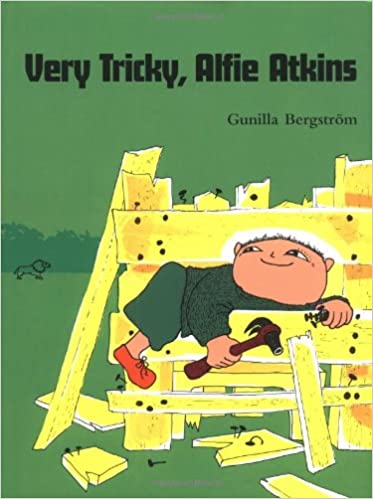
Very Tricky, Alfie Atkins

What We Like Less:

Text-heavy compared to most picture books. The illustrations are there but not the main event. Might be a stretch for kids who need pictures every few sentences to stay engaged.

Why You Are Going to Like it:

Alfie Atkins is huge in Sweden, less known here. The story is clever with a genuinely happy ending. Gunilla Bergstrom created something with real tension that resolves satisfyingly. My son liked the trickery aspect.

Check Price on Amazon
Very Tricky, Alfie Atkins

Don’t Let the Pigeon Drive the Bus!

By Mo Willems (Caldecott Honor)

Mo Willems is a genius. The pigeon begs, pleads, and negotiates to drive the bus. Your kid will yell ‘NO!’ at every page. Interactive without being gimmicky. My son did the pigeon voice for weeks after we read this.
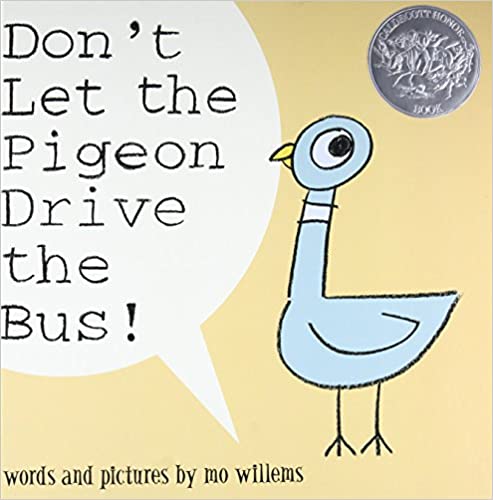
Don’t Let the Pigeon Drive the Bus!

What We Like Less:

Simple concept that might feel repetitive after the 50th read. But honestly, that’s the point. The pigeon’s persistence is the joke.

Why You Are Going to Like it:

Mo Willems is a genius. The pigeon begs, pleads, and negotiates to drive the bus. Your kid will yell ‘NO!’ at every page. Interactive without being gimmicky. My son did the pigeon voice for weeks after we read this. Caldecott Honor book.

Check Price on Amazon
Don’t Let the Pigeon Drive the Bus!

What the Ladybird Heard

By Julia Donaldson, illustrated by Lydia Monks

A quiet ladybird on a farm overhears two thieves planning to steal the prize cow. She comes up with a clever plan to stop them. Julia Donaldson again. The animal sounds make it fun to read aloud. My kids loved making the noises.
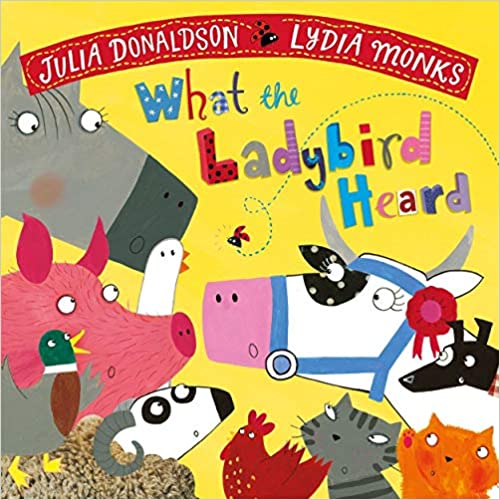
What the Ladybird Heard

What We Like Less:

The sequel is good too, which means you’ll probably end up buying more books. The plot requires following a simple map which might confuse some kids at first.

Why You Are Going to Like it:

A quiet ladybird on a farm overhears two thieves planning to steal the prize cow. She comes up with a clever plan to stop them. Julia Donaldson again. The animal sounds make it fun to read aloud. My kids loved making the noises.

Check Price on Amazon
What the Ladybird Heard

We Don’t Eat Our Classmates

By Ryan T. Higgins

Penelope Rex is a T. Rex starting school. She’s nervous. She’s excited. She also keeps eating her classmates. Ryan T. Higgins wrote something genuinely funny about fitting in and impulse control. My son thought the goldfish subplot was hilarious.
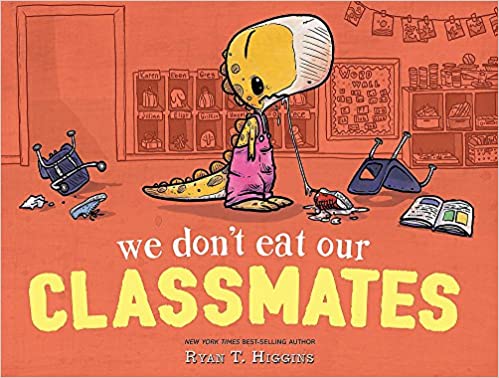
We Don’t Eat Our Classmates

What We Like Less:

There’s cartoon violence (dinosaur eating kids). It’s played for laughs but might not land with every family. Also, Penelope doesn’t fully learn her lesson until the very end.

Why You Are Going to Like it:

Penelope Rex is a T. Rex starting school. She’s nervous. She’s excited. She also keeps eating her classmates. Ryan T. Higgins wrote something genuinely funny about fitting in and impulse control. My son thought the goldfish subplot was hilarious.

Check Price on Amazon
We Don’t Eat Our Classmates

Classics That Still Work

These have been around forever because they work. Your parents probably read them. Your kids should too.

Green Eggs and Ham

By Dr. Seuss

Sam-I-Am really wants you to try green eggs and ham. You really don’t want to. This goes on for 62 pages until you finally give in. Dr. Seuss only used 50 different words. The repetition makes it perfect for early readers. A classic that generations have memorized.
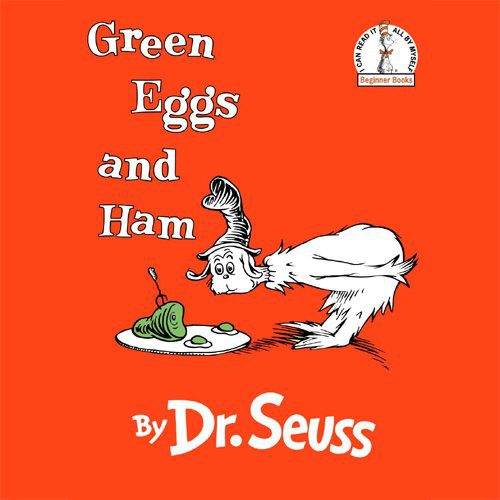
Green Eggs and Ham

What We Like Less:

The art is weird. Intentionally weird, but still weird. Some kids love Seuss’s style, others find it unsettling. No coherent narrative. It’s more of a rhyming game than a story.

Why You Are Going to Like it:

Dr. Seuss. Sam-I-Am. Green eggs and ham. You know it. Your parents knew it. The rhymes are impossible to forget. Great for early readers because the repetition builds confidence. Still holds up after all these decades.

Check Price on Amazon
Green Eggs and Ham

The Cat in the Hat

By Dr. Seuss

The one that started it all. Two kids home alone on a rainy day. A cat shows up. Chaos. Dr. Seuss wrote this with only 236 different words to prove kids could learn to read with limited vocabulary. 60+ years later, it still works. A classic for a reason.
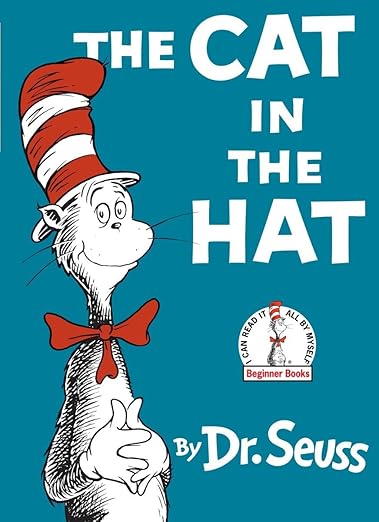
The Cat in the Hat

What We Like Less:

The Cat is kind of a jerk who destroys the house and almost gets the kids in trouble. Some parents find this stressful. Also, where are the parents? We don’t ask questions.

Why You Are Going to Like it:

The one that started it all. Two kids home alone on a rainy day. A cat shows up. Chaos. Dr. Seuss wrote this with only 236 different words to prove kids could learn to read with limited vocabulary. 60+ years later, it still works. A classic for a reason.

Check Price on Amazon
The Cat in the Hat

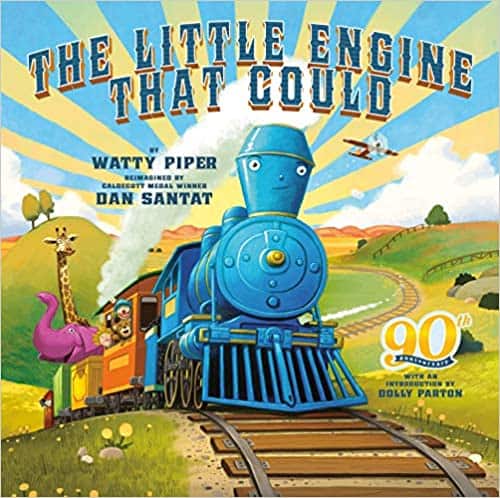
The Little Engine That Could

By Watty Piper

‘I think I can, I think I can.’ You know this one. A little engine pulls a heavy load over a mountain when bigger engines refuse. The message about persistence and positive thinking has worked for almost 100 years. My kids referenced this when learning to ride bikes.

The Little Engine That Could

What We Like Less:

It’s old. The illustrations in some editions feel dated. The pacing is slower than modern books. But the core message holds up.

Why You Are Going to Like it:

‘I think I can, I think I can.’ You know this one. A little engine pulls a heavy load over a mountain when bigger engines refuse. The message about persistence and positive thinking has worked for almost 100 years. My kids referenced this when learning to ride bikes.

Check Price on Amazon
The Little Engine That Could

What’s Next?

Still too advanced? Check our Best Books for 4-Year-Olds →

Ready for more? See our Best Books for 6-Year-Olds →

Want the overview? Read A Dad’s Guide to Children’s Books by Age →

About These Recommendations

I’m George. I read to my kids for 10+ years before they started reading on their own. My wife’s a therapist who helped pick books that actually matter for development. Everything on this site got tested on our family first.

More about me →

FAQs

What is the reading level of a 5-year-old?

Most 5-year-olds are at a Pre-K to Kindergarten reading level (Guided Reading levels A-D). But for read-aloud books, aim higher. They can follow complex plots and big vocabulary when you’re reading to them. Match the book to the activity: simpler books for them to practice reading, richer books for bedtime together.

What books should a 5-year-old read?

Picture books with actual plots. Not just “A is for Apple” stuff. Look for stories with a beginning, middle, and end. Characters who want something. A problem to solve. The books on this page all have real narratives that hold attention.

How do I choose books for my 5-year-old?

Follow their interests, not your idea of what they “should” read. If they love animals, get animal books. If they like silly humor, lean into that. The goal is building a reading habit. That happens when books feel like fun, not homework.

How many books should a 5-year-old read per day?

2-3 is solid. One before nap or quiet time, 1-2 at bedtime. But one book read well beats five books rushed through. If they want to read the same book every night for a month, let them. Repetition is learning.

Are these books good for boys and girls?

Yes. Every book here worked for both my son and daughter. Dragons Love Tacos isn’t a “boy book.” The Dot isn’t a “girl book.” Kids don’t care about these categories until adults teach them to. Just find what they like.

Should I let my 5-year-old pick their own books?

Absolutely. Even when they pick something you think is too easy, too hard, or just weird. Ownership matters. A kid who chooses a book is a kid who’ll pay attention to it.