
Seth Godin has shaped how a generation of marketers and entrepreneurs think. He’s written 20+ bestsellers (Purple Cow, Linchpin, This Is Marketing, The Dip), built one of the most-read blogs on the internet, and consistently pushes the idea that remarkable work matters more than playing it safe.
What’s interesting about his reading list is how far it reaches beyond marketing. There’s sci-fi, anthropology, fiction, and creative philosophy alongside the business strategy. Godin reads widely and recommends accordingly.
Here are the books Seth Godin has publicly recommended, with his own quotes about why each one matters.
Jump to:
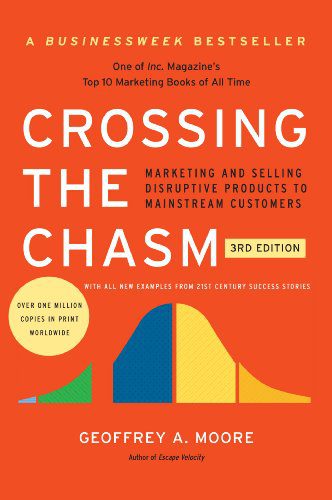
Crossing the Chasm by Geoffrey A. Moore
The foundational text on marketing and selling technology products. Moore’s framework explains why innovative products fail to cross from early adopters to the mainstream, and what to do about it. It’s been the go-to reference for tech marketers since 1991 and remains relevant today.
This is a key component in my Purple Cow thinking, but with a twist. I’m not as worried about the chasm as I am about the desire of marketers to go for the big middle.
Seth Godin
Get the latest edition. Older versions reference examples that feel dated, but the core framework hasn’t aged. If you work in tech, product, or marketing, this belongs on your shelf.
What We Like Less:
- It is a bit tedious to listen.
Why You Are Going to Like it:
- It comes with deep insights that you can use in today’s modern and digital generation. You may apply many of its concepts to contemporary business challenges, i.e., such as timing, focus, or allocation of resources.
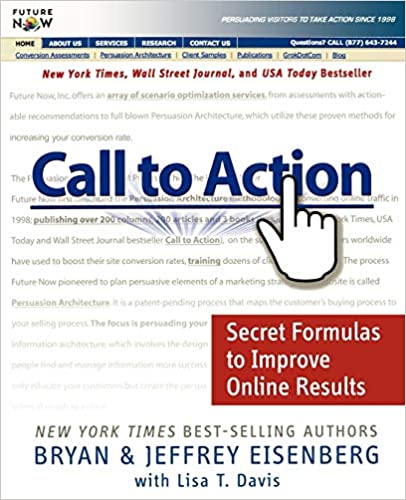
Call to Action by Jeffrey and Bryan Eisenberg
A practical guide to conversion rate optimization from the founders of Future Now Inc. The Eisenberg brothers walk through the five levels of web development: planning, structure, communication, momentum, and value.
According to Godin, this book is “straightforward and provides clear and direct insight into what is wrong with your website and what you can do to address it. There is no engaging banter or fancy metaphors. All you can see are the facts and nuts and bolts to back them up.”
Written before the current era of A/B testing tools, but the principles about understanding what your visitor wants and removing friction still apply.
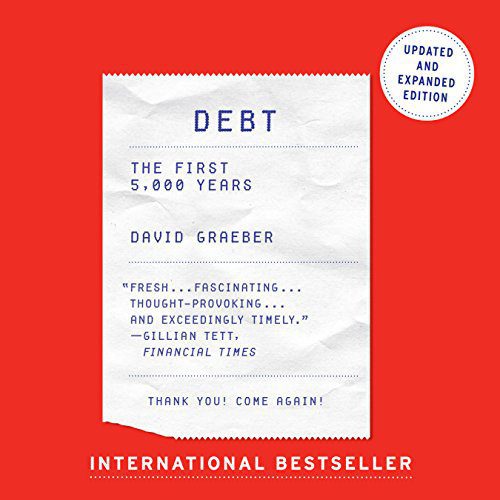
Debt: The First 5,000 Years by David Graeber
An anthropological examination of money and debt that challenges assumptions about capitalism being a natural state of human society. Graeber argues that debt and credit systems existed long before money, and that the relationship between the two is more complicated than economics textbooks suggest.
According to Godin, Debt is “the most enticing and fascinating book” he’s ever read. It’s dense, but it changes how you think about the systems we take for granted.
The War of Art by Steven Pressfield
Pressfield names the force that keeps creative people from doing their work: Resistance. Capital R. Fear, procrastination, self-doubt, distraction. He argues that every creative act requires fighting through this force, and most people never start because they don’t recognize what’s stopping them.
Steve Pressfield has written the most important book I’ve ever read on creativity and why it doesn’t happen. The resistance is the most profound force in the life of the artist, the writer and the leader, and Steve has given it a name and called it out.
Seth Godin
Short, sharp, and re-readable. One of those books you come back to when you’re stuck.
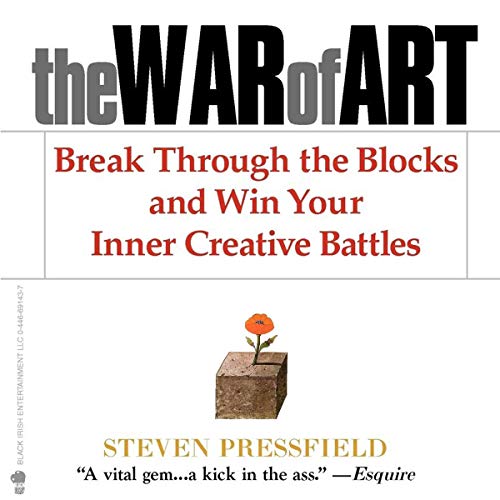
The Long Tail by Chris Anderson
Anderson’s argument: the internet enables businesses to profit from selling small amounts of many different things, not just large amounts of a few hits. Netflix, Spotify, Amazon, Google Ads. The long tail explains why niche markets are viable and why “hits” matter less than they used to.
Chris surfaced a fundamental law of the world. There are others.
Seth Godin
Published in 2006, some specific examples are dated, but the underlying economics of abundance haven’t changed. If anything, the long tail has grown longer.
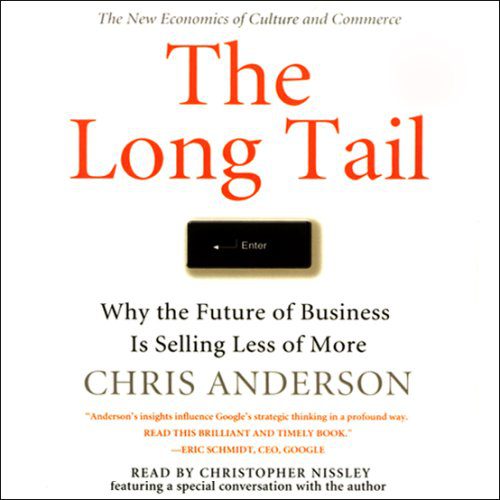
Pattern Recognition by William Gibson
Gibson (the author who coined “cyberspace”) wrote this novel set in a post-9/11 world about a woman with an unusual sensitivity to branding and logos. It’s a thriller wrapped in a meditation on marketing, patterns, and meaning.
Godin recommends it specifically for marketers. The book is full of ideas and imagery about how humans search for meaning in noise, and how that impulse drives both creativity and consumption. Gibson’s prose is dense and rewarding if you’re willing to slow down.
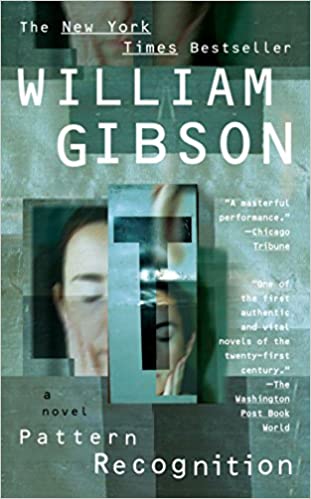
Snow Crash by Neal Stephenson
Published in 1992, Snow Crash predicted virtual reality worlds, digital currency, smartphones, and augmented reality before any of them existed. Stephenson introduced the concept of the “Metaverse,” a term that went mainstream decades later when Facebook rebranded.
It’s such a good book but you can’t give it to someone now. I’ve tried; it doesn’t work. You have to read it before you’ve been on the internet. Then it changes your mind.
Seth Godin
Godin’s caveat is fair. If you’ve grown up with the internet, the predictions feel obvious in hindsight. But reading it as a product of 1992, the foresight is remarkable. As Godin says, this book “matters because of the ideas within.”
Dune by Frank Herbert
Dune is one of those books that shows up on reading lists across disciplines. Politicians, tech founders, environmentalists, sci-fi fans. Herbert created a universe that examines power, ecology, religion, and resource politics through a story set on a desert planet called Arrakis.
If you read Dune, and you don’t read it for the plot but you read it for understanding geopolitics, suddenly something clicks in your head.
Seth Godin
Dense reading. Herbert doesn’t hold your hand. But if you push through the first hundred pages, the world-building pays off. The recent Denis Villeneuve films made it more accessible, but the book goes far deeper than the movies can.

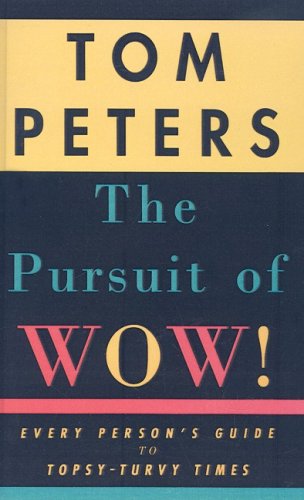
The Pursuit of Wow by Tom Peters
Tom Peters wrote In Search of Excellence, the book that shaped how a generation of executives thought about business. The Pursuit of Wow is his push toward the next level: creating products, services, and experiences that make people stop and pay attention.
Tom Peters at his best. The book that will push you to do the safe (risky) thing you must do to make your products remarkable.
Seth Godin
This connects directly to Godin’s Purple Cow philosophy. If you’ve read Godin and want to understand one of his influences, Peters is the link.
What’s Next
For another reading list from a tech leader, check out Elon Musk’s favorite books. The overlap (Dune, sci-fi, systems thinking) is interesting, but the lists diverge in revealing ways.
For more marketing reads, browse our best marketing books collection.
Prefer audio? Several of these titles are available as audiobooks. Our best marketing audiobooks guide covers the top picks for marketers, including Crossing the Chasm.
FAQs
Godin has recommended Crossing the Chasm by Geoffrey Moore, The War of Art by Steven Pressfield, Debt by David Graeber, Snow Crash by Neal Stephenson, Dune by Frank Herbert, Pattern Recognition by William Gibson, The Long Tail by Chris Anderson, Call to Action by the Eisenberg brothers, and The Pursuit of Wow by Tom Peters, among others.
Crossing the Chasm by Geoffrey Moore is the most directly relevant for marketers. It explains why innovative products fail to reach mainstream adoption and what to do about it. Call to Action and The Long Tail are also strong picks for marketing professionals.
Godin recommends Dune by Frank Herbert (for understanding geopolitics), Snow Crash by Neal Stephenson (for its technological foresight), and Pattern Recognition by William Gibson (for its insights into marketing and meaning-making). All three are genre fiction with ideas that extend beyond entertainment.
Seth Godin is a bestselling author, entrepreneur, and marketing thinker. He wrote Purple Cow, Linchpin, This Is Marketing, The Dip, and 20+ other books. He also runs one of the most popular blogs on the internet and founded the altMBA and Akimbo workshops.
The War of Art by Steven Pressfield is the most accessible. It’s short, direct, and applies to anyone doing creative or ambitious work, not just marketers. If you’re looking for business-specific reading, The Long Tail by Chris Anderson is a clear starting point.
Godin typically recommends other authors’ work in his reading lists rather than his own. For his own catalog, Purple Cow, The Dip, and This Is Marketing are generally considered his most influential books.