
Hardcover or softcover? It’s a question I ask myself with almost every book purchase. Both have their place on my shelves, and the right choice depends on how you plan to use the book.
Here’s what I’ve learned after years of buying both formats for myself and my kids.
The Physical Differences
Cover Material
Hardcovers use thick cardboard wrapped in cloth, paper, or leather. They’re built to last. Softcovers use flexible cardstock with a glossy or matte coating. They’re lighter and more portable.
Spine and Binding
Hardcover spines are reinforced with stitching or glue, helping the book hold its shape over decades. Softcover spines are simply glued (called “perfect binding”), making them more flexible but prone to cracking if you bend them back too far.
Higher-end hardcovers use sewn signatures, where groups of pages are stitched together before binding. This is the most durable method. Most paperbacks rely on glue alone, which eventually weakens.
Size and Weight
Hardcovers are heavier and bulkier. Good for reading at home, less ideal for commuting. Softcovers are lighter and fit in bags more easily.
When I Choose Hardcover
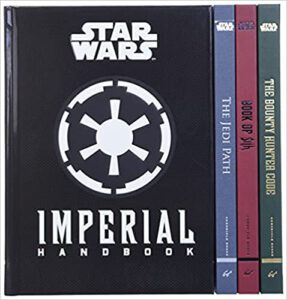
Hardcovers make sense for books I’ll keep forever. Collector’s editions, illustrated editions, and books I want to display on shelves. My Harry Potter illustrated editions are hardcover because they’re meant to be treasured, not tossed in a backpack.
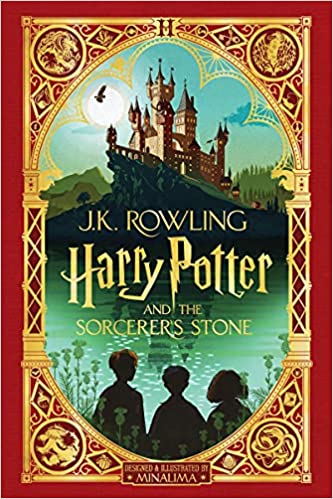
The MinaLima editions are another example. These deluxe books have interactive elements and beautiful design work that justifies the premium format.
When I Choose Softcover
Softcovers work better for everyday reading. Books I’ll read once, lend to friends, or let my kids handle. They’re cheaper, lighter, and I don’t worry about damaging them.
For commuting or travel, softcover wins every time. Nobody wants to lug a two-pound hardcover on the subway.
Quick Decision Guide
| Choose Hardcover If… | Choose Softcover If… |
|---|---|
| You’re building a permanent collection | You read once and pass along |
| It’s a gift for someone special | Budget is a priority |
| You want it to look great on display | You read on the go or while traveling |
| You’ll re-read it many times | You’re not sure you’ll love the book yet |
| It’s a reference book or art book | You’re buying for kids who are rough on books |
Price Comparison
Hardcovers cost more. Usually $10-15 more than the paperback version. The premium covers higher-quality materials and production costs.
New releases often launch in hardcover first, with paperbacks following 6-12 months later. If you can wait, you’ll save money. If you want it immediately, you’ll pay the hardcover price.
Availability
Physical bookstores stock more hardcovers, especially for new releases and popular titles. Online retailers offer both formats equally. Mass-market paperbacks (the small, cheap ones) are common in supermarkets and airports.
Some books only come in one format. Reference books and art books are usually hardcover only. Mass-market fiction often skips hardcover entirely.
Durability and Longevity
Hardcovers last longer. With proper care, a hardcover can survive decades. Paperbacks wear out faster. Spines crack, covers bend, pages yellow.
If you’re building a permanent collection, hardcovers are worth the investment. If you’re reading and passing books along, paperbacks make more sense.
Storage matters too. Keep books away from direct sunlight, humidity, and extreme temperatures. Hardcovers tolerate these conditions better, but no book is immune.
Aesthetic and Reading Experience
Hardcovers look better on shelves. The uniform spines, dust jackets, and solid construction create a polished library look. If you care about how your bookshelf photographs, hardcovers win.
But softcovers are often more comfortable to read. They flex in your hands, weigh less, and you can toss them in a bag without worrying. I’ve fallen asleep reading hardcovers and woken up with the corner embedded in my chest. Paperbacks are more forgiving.
For kids’ books, it depends on age. Board books for toddlers need durability. Chapter books for older kids can be paperback since they’re gentler with their stuff.
Gifting Considerations
Hardcovers make better gifts. They feel substantial, look premium, and signal that you put thought into the present. A paperback can feel like an afterthought, even if the content is identical.
Special editions, illustrated versions, and signed copies almost always come in hardcover. If you’re buying for a collector or superfan, hardcover is the way to go.
For casual gifts or book club exchanges, paperback is fine. Nobody expects a hardcover for a beach read recommendation.
Examples Worth Considering
Harry Potter
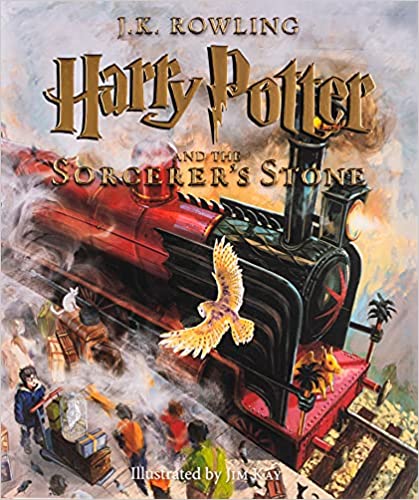
The illustrated hardcover editions are stunning and built to last. The standard paperbacks are fine for reading but won’t hold up to years of re-reading.
Dune
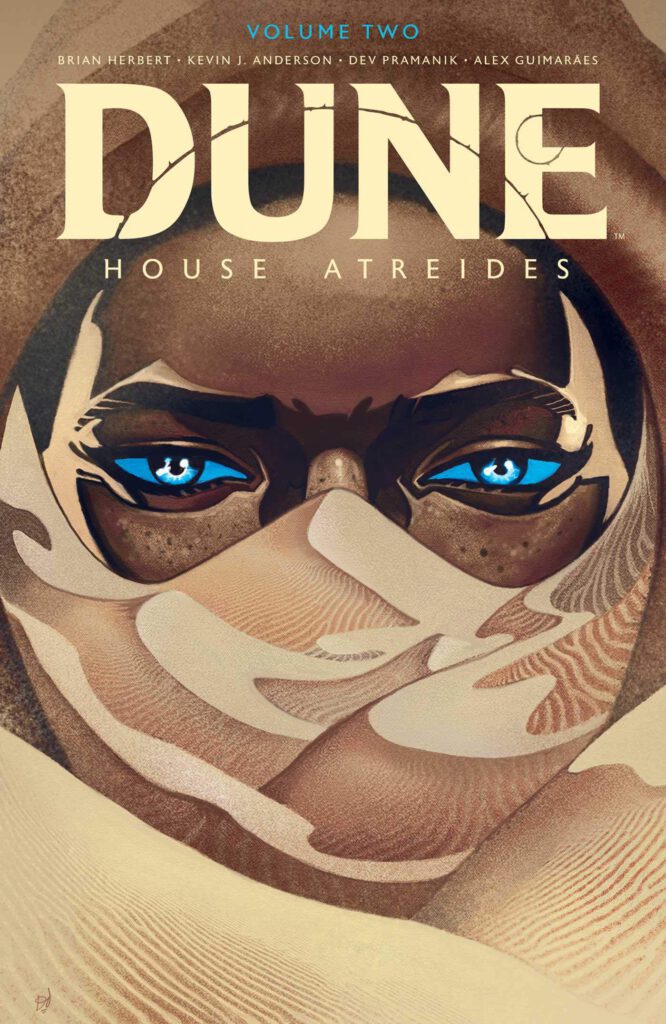
The Dune boxed set and Dune Graphic Novel are premium hardcover editions worth the investment for fans. The standard paperbacks work fine for first-time readers who aren’t sure if they’ll love the series.
What About E-books and Audiobooks?
Neither format matters if you prefer digital. Kindle devices and audiobooks skip the physical debate entirely. I use both depending on the situation.
What’s Next
Looking for book recommendations? Browse our best books collection by age and genre.
Want to see beautiful hardcover editions? Check out our Harry Potter illustrated books or MinaLima editions guides.
Considering going digital? See our Kindle deals page or explore audiobook options.
Need a reading light for late-night sessions? Our book light buying guide covers what to look for.
Watch for deals during Black Friday and Cyber Monday when premium editions often go on sale.

About These Recommendations
I’m George. I read to my kids for 10+ years before they started reading on their own. My wife’s a therapist who helped pick books that actually matter for development. Everything on this site got tested on our family first.
FAQs
Hardcover. They’re more durable and hold their shape over time. Dust jackets protect the cover, and the reinforced binding survives decades of use. First edition hardcovers can also appreciate in value.
Publishers release hardcovers first because they have higher profit margins. Readers who want the book immediately pay more. Paperbacks follow 6-12 months later for budget-conscious buyers willing to wait.
Yes. Softcover and paperback are different names for the same format. Both have flexible covers made from thick paper or cardstock rather than rigid boards.
Trade paperbacks are larger (usually 5.5 x 8.5 inches), printed on better paper, and cost more. Mass-market paperbacks are the small, cheap ones you see at airports and drugstores (about 4.25 x 6.75 inches). Trade paperbacks last longer and are easier to read.
It depends on the book. For favorites you’ll re-read, display, or keep for years, yes. For books you’ll read once and donate, probably not. The extra $10-15 buys durability and better construction.
With careful handling, a paperback can last 10-20 years. But they show wear quickly. Spines crack, covers curl, and pages yellow faster than hardcovers. If you want a book to last generations, hardcover is the better choice.
Higher production costs. Hardcovers use thicker cardboard covers, better paper stock, sewn bindings, and often include dust jackets. The manufacturing process is more complex and labor-intensive. Publishers also price them higher knowing early buyers are willing to pay a premium.
Weight and portability. Hardcovers are heavier, bulkier, and harder to hold for extended reading sessions. They’re also more expensive and take up more shelf space. For travel or reading on the go, paperbacks are more practical.
Personal preference. Many readers remove dust jackets to avoid damage while reading, then replace them for storage. If you’re a collector, keeping the dust jacket in good condition matters for resale value. If you just want to read, do whatever’s comfortable.
For young children, board books (extra-thick hardcovers) hold up to rough handling. For older kids reading chapter books, paperbacks work fine since they’re gentler with their stuff. Picture books are usually hardcover because they’re meant to be read aloud repeatedly and need durability.