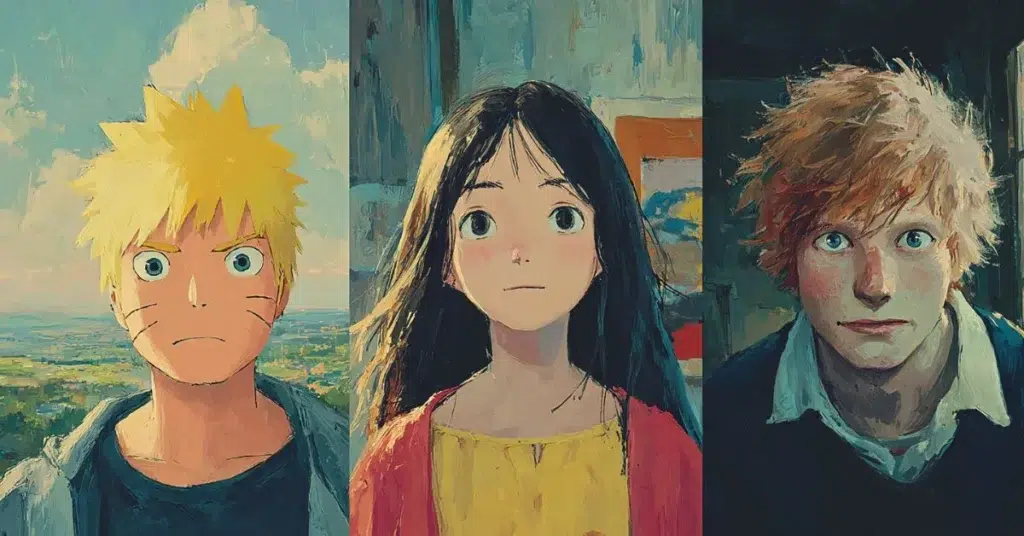
My daughter started drawing anime characters two years before she watched a single episode. She was 9, filling sketchbooks with big eyes and spiky hair, copying stuff from YouTube tutorials. I had no idea what half of it was. Then one day she asked to watch “the show with the sword guy who fights demons.” That was Demon Slayer. She was 11 by then.
My son came at it differently. He grew up on Pokemon and Dragon Ball reruns with me. The jump from cartoons to anime happened so gradually I barely noticed. One week he was watching Teen Titans Go. The next he was asking about My Hero Academia because a kid at school told him it was “like Teen Titans but better.”
Why kids move from cartoons to anime
Here is something most parents do not realize: Western animation has been borrowing from anime for decades. Avatar: The Last Airbender was animated by a Korean studio and uses anime storytelling structure. Teen Titans switched between Western and anime art styles depending on the scene’s mood. The Boondocks, Voltron, Castlevania. All of them pull directly from Japanese animation traditions.
So when your kid “discovers” anime, they are not jumping to something completely foreign. They are following a thread that was already woven into the shows they grew up watching.
The typical path looks like this. Kids watch Western cartoons with anime influence. They start noticing anime art on YouTube, TikTok, or through friends at school. They ask to watch “the real thing.” And suddenly you are Googling whether Naruto is appropriate for a 10-year-old at 11pm on a Tuesday.
My kid started drawing anime characters before she ever watched an episode. That is actually common. The art style hooks them first. The shows come second.
Quick guide to anime ratings for parents
Anime does not have a single universal rating system like movies do. Instead, shows are loosely categorized by their target demographic in Japan. These categories are not content ratings. They are more like “who was this originally marketed to.” But they give you a useful starting framework.
Kodomomuke (all ages)
Made for young children. Pokemon, Doraemon, Hamtaro. Safe for everyone. You will not find anything here that would not also air on PBS Kids.
Shonen (boys 10+)
The biggest category. Naruto, Dragon Ball, My Hero Academia, Demon Slayer. “Shonen” means “young boy” but girls watch these just as much. Action-heavy, tournament arcs, friendship themes, training montages. Violence ranges from cartoon slapstick to moderate battle scenes depending on the specific show.
Shojo (girls 10+)
Sailor Moon, Cardcaptor Sakura, Fruits Basket. “Shojo” means “young girl” but again, anyone can enjoy these. Tends toward romance, magical girl transformations, emotional storytelling. Generally less violent than shonen.
Seinen and Josei (older teens and adults)
Attack on Titan, Vinland Saga, Berserk. These are aimed at older audiences and often contain graphic violence, mature themes, or complex political storylines. If your kid is under 14, tread carefully here. Some seinen shows are fine for mature 13-year-olds. Others are absolutely not.
These are guidelines. Always check the specific show. Common Sense Media has reviews for most popular anime with parent-specific content breakdowns.
If they like Avatar: The Last Airbender, try Fullmetal Alchemist: Brotherhood (10+)
This is the recommendation I make most often to parents whose kids loved Avatar. The overlap is almost perfect.
Both shows follow a young protagonist on a quest across a detailed world. Both mix humor with genuinely heavy moments. Both have magic systems with real rules and consequences. And both treat their audience like intelligent people, even though the main characters are teenagers.
Edward and Alphonse Elric are two brothers who tried to use alchemy to bring their dead mother back to life. It went wrong. Edward lost an arm and a leg. Alphonse lost his entire body and now exists as a soul bonded to a suit of armor. The series follows their journey to find the Philosopher’s Stone and get their bodies back.
Why it works for Avatar fans: The worldbuilding is on the same level as Avatar’s four nations. The character arcs are satisfying and earned. The humor is genuinely funny without being childish. And the story has a definitive ending that sticks the landing.
Content warnings: Battle violence throughout, but nothing gratuitous. Some characters die. One episode involving a chimera (episode 4) is deeply unsettling and your kid will probably want to talk about it after. Several emotionally heavy scenes that hit harder than most of Avatar’s darkest moments.
Where to watch: Crunchyroll, Hulu
Episodes: 64. That is a manageable commitment. You could finish it in a few weeks watching an episode a night.
Also try: Moribito: Guardian of the Spirit. A female bodyguard protects a young prince. Slower pace, beautiful animation, similar vibes to Avatar but calmer. Great for kids who liked the worldbuilding more than the battles.
If they like Teen Titans, try My Hero Academia (10+)
Superhero academy. Diverse cast of powered characters. Tournament arcs. Villains with actual motivations. If your kid loved Teen Titans (the original 2003 series, not Go), My Hero Academia is the natural next step.
Izuku Midoriya is born without powers in a world where 80% of people have them. He is the kid who gets picked last. Then the greatest hero gives him a chance by passing down his own power. The show follows Midoriya at U.A. High School, where teenagers train to become professional heroes.
The class dynamics are what make it work. Every student has a unique power (called a “Quirk”) and a distinct personality. My son latched onto Bakugo, the aggressive rival who screams at everyone. My daughter preferred Todoroki, the quiet one with a complicated family. Your kid will pick a favorite within three episodes.
Why it works for Teen Titans fans: Same energy. A team of young heroes learning to work together, facing increasingly dangerous villains, dealing with personal trauma alongside saving the world. The “school” framing gives it structure that episodic cartoons lack.
Content warnings: Cartoon violence comparable to Teen Titans, maybe slightly more intense. Some villains are genuinely scary (the League of Villains has a serial killer and a body horror character). No blood or gore. Emotional scenes involving bullying, parental abuse, and self-doubt.
Where to watch: Crunchyroll, Hulu, Netflix (some seasons)
Episodes: 138 across 6 seasons. Each season works as a self-contained arc, so you can stop after any season and feel satisfied.
Also try: Tiger and Bunny. Superheroes as corporate-sponsored workers competing for TV ratings. Lighter tone, workplace comedy angle, surprisingly heartfelt. Two seasons on Netflix.
If they like Steven Universe, try Ranking of Kings (8+)
This one surprised me.
Ranking of Kings follows Bojji, a tiny deaf prince who cannot swing a sword. Everyone dismisses him. The royal court, the other kingdoms, even some of his own family. But Bojji is observant, kind, and far more capable than anyone gives him credit for.
If your kid connected with Steven Universe because of its emotional depth and its message that kindness is its own form of strength, Ranking of Kings hits the same nerve. Hard.
Why it works for Steven Universe fans: Both shows center a gentle protagonist who wins people over through empathy rather than force. Both have gorgeous, distinctive animation. Both will make you cry at unexpected moments. The representation matters too. Bojji communicates through sign language, and the show never treats his deafness as something to “fix.”
Content warnings: Fantasy violence (sword fights, monsters), but the tone stays accessible. Some emotionally intense moments involving betrayal and loss. A few scenes that are briefly scary for younger viewers. Nothing graphic.
Where to watch: Crunchyroll
Episodes: 23. That is a single season, and it tells a complete story. Perfect entry point for a family that wants to test the waters with anime.
Also try: Little Witch Academia. A clumsy girl enrolls in a school for witches despite having no magical talent. Lighter and funnier, closer to a Pixar movie in tone. Two seasons on Netflix.
If they like Gravity Falls, try Spy x Family (8+)
This is the anime I recommend most to parents who are completely new to the medium. If you only try one show from this entire list, make it this one.
Spy x Family is about a spy who needs to create a fake family for a mission. He adopts a girl (who is secretly a telepath) and marries a woman (who is secretly an assassin). None of them know each other’s secrets. The comedy writes itself.
My kids watched this together, which does not happen often. My 13-year-old appreciated the spy thriller elements. My 11-year-old loved Anya, the little girl who can read minds but is terrible at keeping it secret. I laughed more watching this show than I have at most actual comedies.
Why it works for Gravity Falls fans: Both shows blend comedy, mystery, and genuine heart without ever feeling forced. Both have a core family dynamic that anchors the humor. Gravity Falls has Dipper and Mabel’s relationship with Grunkle Stan. Spy x Family has Loid, Yor, and Anya figuring out how to be a family despite their absurd circumstances. The clever writing and layered jokes hit the same sweet spot.
Content warnings: Mild cartoon violence. Spy and assassination themes but nothing graphic (Yor’s assassin scenes are played more for comedy than horror). Some comedic intensity during action sequences. The show is remarkably clean for its premise.
Where to watch: Crunchyroll, Hulu
Episodes: 37 and still ongoing. Season 3 is expected in late 2026.
Also try: The Promised Neverland, Season 1 ONLY. A group of kids discover a dark secret about their orphanage. Mystery-thriller with a puzzle-box structure similar to Gravity Falls’ overarching mystery. For ages 12+. Do not watch Season 2. I am not being dramatic. The second season is a different show that skips entire manga arcs. Pretend it does not exist.
If they are Pokemon fans, try Cardcaptor Sakura (7+)
Your kid already understands the collect-them-all formula from Pokemon. Cardcaptor Sakura takes that same premise and wraps it in a magical girl story.
Sakura Kinomoto accidentally releases a set of magical Clow Cards into the world. Each card has a unique power. She has to capture them all (sound familiar?) while balancing school, friendships, and a growing understanding of her own abilities.
The show is gentler than almost anything on this list. There are no villains trying to destroy the world. The stakes are personal and relatable. Sakura is 10 years old, dealing with crushes, school projects, and a best friend who films everything with a camcorder. The magic card battles provide structure, but the real story is about a kid gaining confidence.
Why it works for Pokemon fans: The collection mechanic gives every episode a goal. Each card has unique powers and requires a different strategy to capture, similar to how different Pokemon types require different approaches. But where Pokemon is action-first, Cardcaptor Sakura layers in emotional growth and relationships.
Content warnings: Very mild. This is as safe as anime gets. Some light romantic subplots. Mild peril during card captures. Nothing that would concern a parent who already lets their kid watch Pokemon.
Where to watch: Netflix, Crunchyroll
Episodes: 70 for the original series. The “Clear Card” sequel adds 22 more.
Also try: Yo-kai Watch. Closer to Pokemon’s monster-battling format with a Japanese folklore twist. Available on Apple TV+ and Crunchyroll.
If they want epic battles like Dragon Ball Z, try Naruto: early arcs (12+)
If your kid has been raised on Dragon Ball and wants something with the same energy but more story depth, Naruto is the move.
Naruto Uzumaki is an orphan outcast in a village of ninjas. A powerful fox demon was sealed inside him as a baby, and everyone shuns him for it. His dream is to become the village leader so people will finally acknowledge him. It is an underdog story built on the same foundation as Dragon Ball: train hard, fight stronger opponents, never give up.
But Naruto goes deeper. The villains have backstories that make you understand them. The side characters get their own arcs. And the emotional stakes are heavier than anything in Dragon Ball. When a character dies in Naruto, it matters.
Why it works for DBZ fans: Tournament-style battles, training arcs, power-ups, a protagonist who is outmatched in every fight but refuses to stay down. The Chunin Exams arc (episodes 20-67) has the same energy as a Dragon Ball tournament saga.
Content warnings: More violence than Dragon Ball Z. Some blood during fights. Emotional manipulation by villains. A few genuinely scary moments (Orochimaru’s introduction is nightmare fuel for younger kids). Themes of loneliness, revenge, and child soldiers within the ninja system.
Where to watch: Crunchyroll, Netflix (some arcs)
Episodes: Start with episodes 1-135 of Naruto (the original series). Use a filler guide and skip non-canon episodes. Do NOT jump into Shippuden yet. Let your kid finish Part 1 first and see if they want to continue.
For the complete breakdown of Naruto (plus One Piece and Bleach), check our Big Three Anime Parent Guide.
Also try: One Piece. An even longer commitment (1,100+ episodes), but the East Blue saga (first 45 episodes) works as a standalone adventure. Start there. If your kid is hooked, you are in for one of the best long-form stories in any medium.
More quick picks
Not every match needs a full breakdown. Here are additional pairings for specific tastes.
| If they like | Try this anime | Age | Episodes | Why it works |
|---|---|---|---|---|
| Adventure Time | Mob Psycho 100 | 12+ | 37 | Overpowered protagonist who just wants to be normal. Same absurdist humor. |
| The Owl House | Flying Witch | 8+ | 12 | Magical coming-of-age in a rural setting. Gentle, cozy, zero conflict. |
| Ben 10 | Jujutsu Kaisen | 14+ | 47 | Supernatural powers, darker tone. For older kids only. Graphic fight scenes. |
| Miraculous Ladybug | Sailor Moon Crystal | 8+ | 39 | Magical girl transformations, romance, teamwork against evil. |
| Scooby-Doo | Detective Conan (Case Closed) | 10+ | Start with the movies | A shrunken detective solves crimes. Mystery-of-the-week format. |
A note on Jujutsu Kaisen: it is popular with middle schoolers, but the violence is significantly heavier than anything else on this page. If your 14-year-old asks for it, watch the first few episodes together and decide from there.
What’s next
Not sure where to start? Our Anime Finder lets you pick your kid’s age and preferences, then recommends shows that fit. Takes about 30 seconds.
For a deeper look at watching anime with your kids, the Dad’s Guide to Anime Shows to Watch With Your Kids covers 40+ shows with parent-specific reviews.
Want to start with movies instead of series? Our Studio Ghibli Age Guide covers all 25 films organized by age appropriateness.
Ready for the big commitments? The Big Three Anime Parent Guide breaks down Naruto, One Piece, and Bleach with full content warnings, filler guides, and manga alternatives.
Need help picking a streaming service? Our Parent’s Guide to Anime Streaming Services compares parental controls, pricing, and content libraries across every major platform.
Browse all our anime and manga guides on the Anime and Manga hub.

About These Recommendations
I’m George. I read to my kids for 10+ years before they started reading on their own. My wife’s a therapist who helped pick books that actually matter for development. Everything on this site got tested on our family first.
It depends entirely on the show. Pokemon and Cardcaptor Sakura are gentler than most Western cartoons. Dragon Ball and My Hero Academia are on par with action-oriented shows like Teen Titans. Naruto and Bleach go beyond what Western kids’ shows typically show with blood, character deaths, and heavier themes. And some anime (Attack on Titan, Jujutsu Kaisen) is as intense as live-action TV-MA content. The category “anime” is as broad as “movies.” You would never ask “are movies violent?” The answer is the same: check each one individually.
Fan service refers to sexualized content included to appeal to older viewers. This can range from characters in revealing outfits to exaggerated body proportions to camera angles that focus on bodies during action scenes. It is more common in shonen anime (targeted at teenage boys) than in kodomomuke or shojo anime. Shows on this list were selected partly because they have minimal or no fan service. As a general rule, the shows safest from fan service are those aimed at younger audiences: Pokemon, Cardcaptor Sakura, Spy x Family, and Studio Ghibli films.
Sub (subtitled) means the original Japanese audio with English text on screen. Dub means English voice actors replace the Japanese dialogue. For kids under 10 who cannot read fast enough to follow subtitles, dubbed versions are usually better. Most popular anime has quality English dubs available. Around ages 11-13, many kids naturally gravitate toward subtitles because new episodes release in Japanese first. Either option is fine. The “sub vs dub” debate is mostly an internet argument that does not matter for families.
Three resources work well. Common Sense Media has parent reviews for most popular anime with age ratings and detailed content breakdowns. MyAnimeList has user-submitted content warnings and age recommendations. And our own Anime Finder at thebooksreview.com/anime-manga/anime-finder/ lets you filter shows by age tier with parent-written descriptions. Beyond these tools, watching the first 2-3 episodes together is the most reliable method. Anime shows often establish their content level early.
Yes. Dr. Stone teaches real science concepts through a post-apocalyptic survival story (ages 12+). Cells at Work explains human biology by personifying blood cells and organs (ages 8+). Silver Spoon covers agriculture and food production (ages 10+). Laid-Back Camp teaches outdoor skills and camping safety (ages 8+). These shows weave educational content into entertaining stories without feeling like homework. Cells at Work in particular has been used by science teachers as supplemental material.
Attack on Titan is rated TV-MA for good reason. It includes graphic violence (characters eaten alive, dismemberment, civilian casualties), psychological horror, political themes, war crimes, genocide, and suicide. It is one of the best anime series ever made, but it is not for kids. The recommended age is 16+ at minimum. If your child is younger and insistent, consider letting them read the manga first, which depicts the same content but is less viscerally impactful than the animated version. Or negotiate a timeline: “When you are 15, we will watch it together.”
Studio Ghibli films are the gold standard. My Neighbor Totoro (ages 3+), Spirited Away (ages 6+), and Kiki’s Delivery Service (ages 5+) are all safe for young children. Beyond Ghibli, try Weathering With You (ages 10+, a beautiful romance with weather-based fantasy), The Boy and the Heron (ages 10+, Miyazaki’s latest), or Wolf Children (ages 8+, a story about a mother raising half-wolf children). For older kids, Your Name (ages 10+) and Suzume (ages 10+) are modern classics from director Makoto Shinkai.
Crunchyroll is the largest anime streaming platform with robust parental controls. It costs $7.99/month and has nearly every show mentioned in this guide. Netflix has a growing anime library with built-in kids profiles that filter out mature content. Hulu carries many popular shonen series. For free options, Crunchyroll offers some shows with ads on its free tier. Avoid unofficial streaming sites, which often lack content filtering and expose kids to inappropriate ads. All of these platforms let you set up parental controls or kid-specific profiles.