Back in 2020, explaining the pandemic to my kids was one of the harder parenting challenges. They noticed dad wearing masks, schools closing, and grandparents we couldn’t visit. We needed a way to talk about it without scaring them.
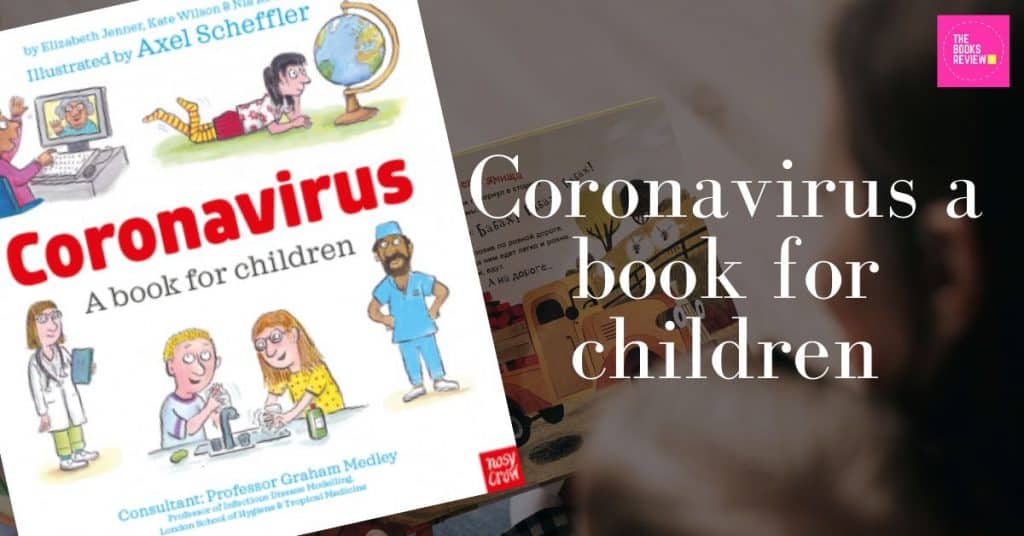
That’s when I found this free book illustrated by Axel Scheffler, the artist behind The Gruffalo. It helped us start conversations that felt impossible to have on our own.
About the Book
Coronavirus: A Book for Children was created by Nosy Crow and illustrated by Axel Scheffler. It launched in April 2020 as a free digital resource for families and schools.
The book uses a Q&A format to answer questions kids were actually asking: What is coronavirus? Why can’t I see my friends? Why are grown-ups worried? The answers are straightforward without being scary.
It had expert input from Professor Graham Medley of the London School of Hygiene & Tropical Medicine, along with teachers and a child psychologist. The goal was accuracy without anxiety.
Best for ages 5-9. Younger kids may need more explanation. Older kids might find it too simple, but it’s still a good conversation starter.
Where to Find It
The book remains free in 2026. You can read, download, or print it.
Video: Read by Hugh Bonneville
Download or Read Online
Visit Nosy Crow’s official page to download the PDF or read it in your browser.
Audio Version
Hugh Bonneville (Downton Abbey) recorded a free audiobook version. Available on Soundcloud:
How to Use It With Kids
A few tips from when I read this with my own kids:
Read it together. Don’t just hand it to them. Sit with them and pause for questions. The Q&A format makes natural stopping points.
Let them lead. Some kids want to talk about everything. Others just want the facts and then move on. Follow their cues.
Connect to their experience. Ask what they remember from the pandemic. For younger kids in 2026, this might be more about explaining what happened than processing current events.
Focus on helpers. The book emphasizes doctors, scientists, and community members working to help. That’s a reassuring angle for anxious kids.
Other Books About Health for Kids
If your child is curious about germs, illness, or staying healthy, a few other books cover similar ground:
Germs Are Not for Sharing by Elizabeth Verdick covers hygiene basics for preschoolers.
What Is a Virus? by Usborne explains viruses in simple terms with lift-the-flap elements.
My Hero Is You is another free pandemic book created by the UN for children worldwide, available in multiple languages.
What’s Next
Want more from Axel Scheffler? Check our Gruffalo books and activities guide for his most famous work.
Explore more Julia Donaldson and Axel Scheffler collaborations in our Julia Donaldson books guide.
Looking for age-appropriate books? Browse our guides for 3-year-olds, 4-year-olds, and 5-year-olds.
About These Recommendations
I’m George. I read to my kids for 10+ years before they started reading on their own. My wife’s a therapist who helped pick books that actually matter for development. Everything on this site got tested on our family first.
FAQs
Yes. Nosy Crow continues to offer the book as a free download. You can read it online, download the PDF, or listen to the audiobook at no cost.
The book was designed for ages 5-9. Younger children may need extra explanation from a parent. Older kids might find it basic but can still use it as a conversation starter.
The text was written by Elizabeth Jenner, Kate Wilson, and Nia Roberts from Nosy Crow. Axel Scheffler (illustrator of The Gruffalo) provided the illustrations. Medical experts reviewed the content for accuracy.
Yes. The book is free for anyone to print for personal or educational use. Schools and libraries have permission to distribute printed copies to students and families.
Yes. The book was translated into over 60 languages, including Spanish, French, German, Chinese, and Arabic. International publishers adapted the content for local health guidelines.
It remains useful for explaining what happened during the pandemic to younger children who don’t remember it, or for families still discussing health topics. The information about germs, handwashing, and helping others stays relevant.