My son came home from school last month and told me he needed to watch “a seinen anime” because his friend said it was better than shonen. He is 13. I had to Google what seinen meant. Then I had to figure out whether it was appropriate for him. Turns out, most of it is not.
Anime genres are not like Western genres. When someone says “horror movie” or “comedy,” you get a rough idea of the content. Anime genres work differently. They describe the target audience first, content second. Shonen does not mean “action.” It means “aimed at teenage boys,” and it happens to be mostly action. That distinction matters when you are trying to figure out what your kid should watch.
This guide covers the six anime categories you will actually encounter as a parent. I skipped the 30+ micro-genres that fan wikis obsess over. You do not need to know what “mecha” or “mahou shoujo” means right now. You need to know which shows are safe and which ones are not.
Quick reference table
Bookmark this. It covers 90% of what you need.
| Genre | Target Age | Think of it as… | Examples | Parent Watch Level |
|---|---|---|---|---|
| Kodomomuke | All ages | PBS Kids or Disney Junior | Pokemon, Doraemon, Hamtaro | Safe. Let them watch freely. |
| Shonen | 10-14+ | Marvel movies or Star Wars | Naruto, My Hero Academia, Dragon Ball, Demon Slayer | Preview first. Violence varies widely. |
| Shojo | 10-14+ | Disney Channel romance or Twilight | Sailor Moon, Fruits Basket, Cardcaptor Sakura | Generally safe. Some romance themes. |
| Isekai | 12-16+ | Narnia or Ready Player One | Sword Art Online, Re:Zero, That Time I Got Reincarnated as a Slime | Check each show. Ranges from kid-safe to very mature. |
| Slice of Life | 10+ | Hallmark movies or coming-of-age films | K-On!, Natsume’s Book of Friends, Barakamon | Almost always safe. Gentle stories. |
| Seinen/Josei | 17+ | HBO dramas or R-rated films | Berserk, Vinland Saga, Attack on Titan | Not for kids. Period. |
Kodomomuke: anime made for young kids
Kodomomuke (koh-doh-moh-moo-keh) literally means “aimed at children.” These are the shows designed for kids under 10. If anime were a pool, kodomomuke is the shallow end with floaties.
Pokemon is the obvious one. Your kid probably already knows it. Doraemon is massive in Japan but less known here. Hamtaro is about hamsters going on adventures. Chi’s Sweet Home is about a kitten. The stakes are low. The messages are simple. Nobody dies.
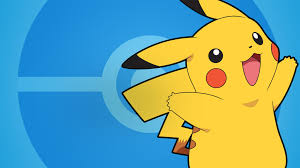
What makes kodomomuke useful for parents: it is a zero-risk entry point. If your kid wants to “try anime” and they are under 10, start here. There is nothing in these shows that would not also air on Cartoon Network or Nickelodeon.
My daughter watched Chi’s Sweet Home when she was 7. Twenty episodes about a lost kitten finding a family. She loved it. Low commitment, no content concerns, and she got to say she “watched anime.”
Shonen: the genre your kid is probably asking about
Shonen means “young boy” in Japanese. It is the most popular anime category worldwide and almost certainly what your kid wants to watch. Naruto, Dragon Ball, My Hero Academia, Demon Slayer, One Piece, Jujutsu Kaisen. If your child’s friends are talking about anime, they are talking about shonen.
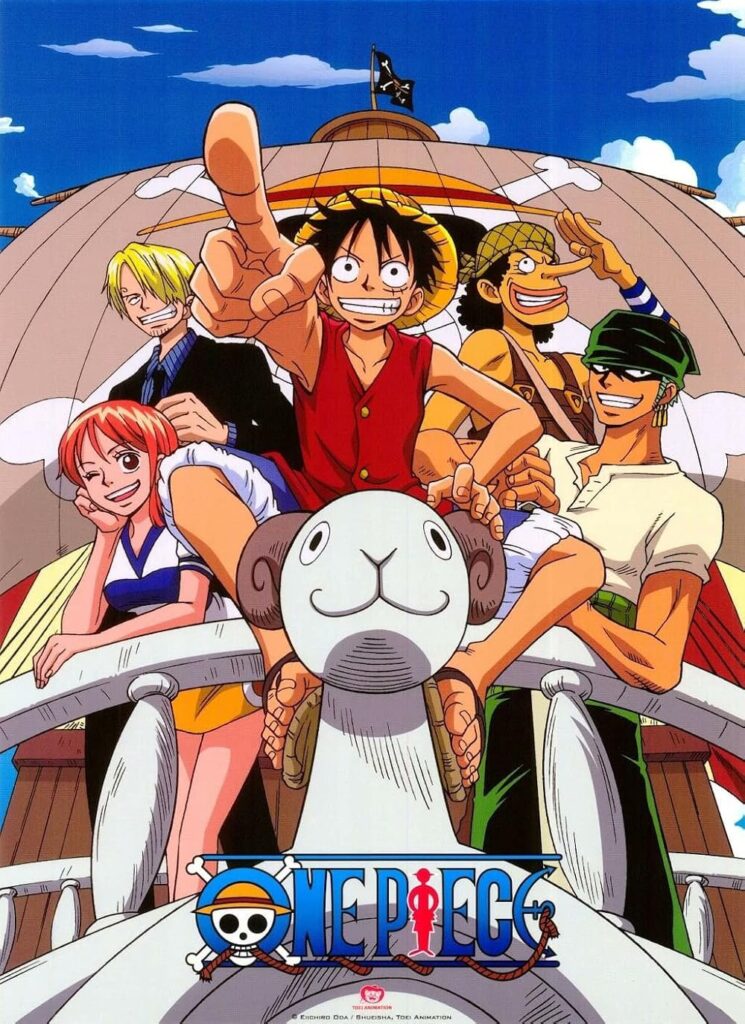
The shonen formula is consistent: a young protagonist faces increasingly powerful enemies, trains hard, and wins through determination and friendship. Think of it as the superhero origin story repeated across different settings. The appeal for kids is obvious. Underdog becomes powerful. Loyalty matters. Hard work pays off.
Here is the catch. Shonen spans a massive range of intensity.
Mild shonen (age 10+): My Hero Academia (superhero school, cartoon violence), Pokemon (technically kodomomuke but often grouped here), Dragon Ball (exaggerated martial arts, mostly slapstick early on).
Moderate shonen (age 12+): Naruto (character deaths start around episode 80), One Piece (stylized violence, some dark themes later), Spy x Family (action-comedy, very family-friendly despite the premise).
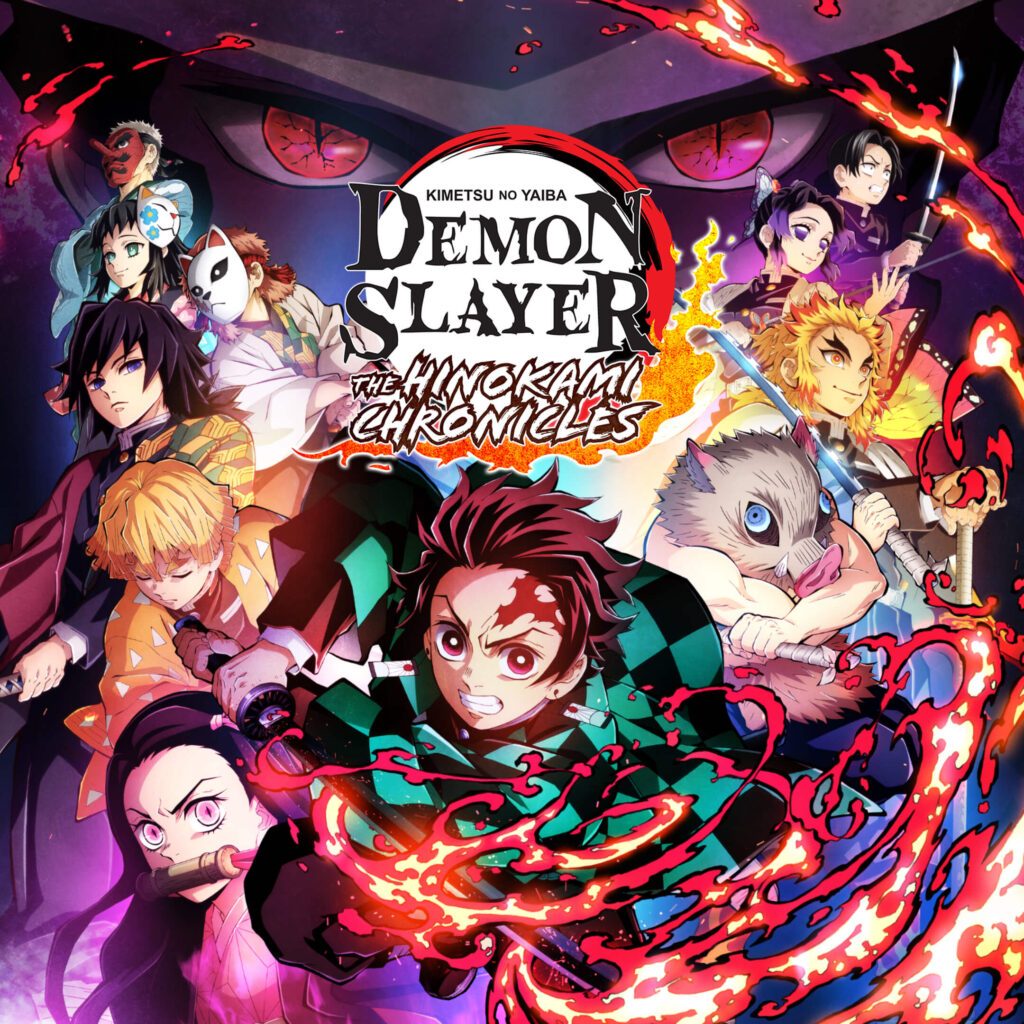
Intense shonen (age 14+): Demon Slayer (graphic sword combat, horror-influenced demons), Jujutsu Kaisen (body horror, dark themes), Chainsaw Man (extreme violence, definitely not for younger teens).
The label “shonen” alone tells you very little about whether a specific show is right for your kid. Always check the individual series. Our Dad’s Guide to Anime Shows breaks down specific recommendations by age.
Shojo: character-driven stories with heart
Shojo means “young girl.” These are stories centered on relationships, emotions, and personal growth. Less fighting, more feeling. If shonen is Marvel, shojo is coming-of-age indie films.
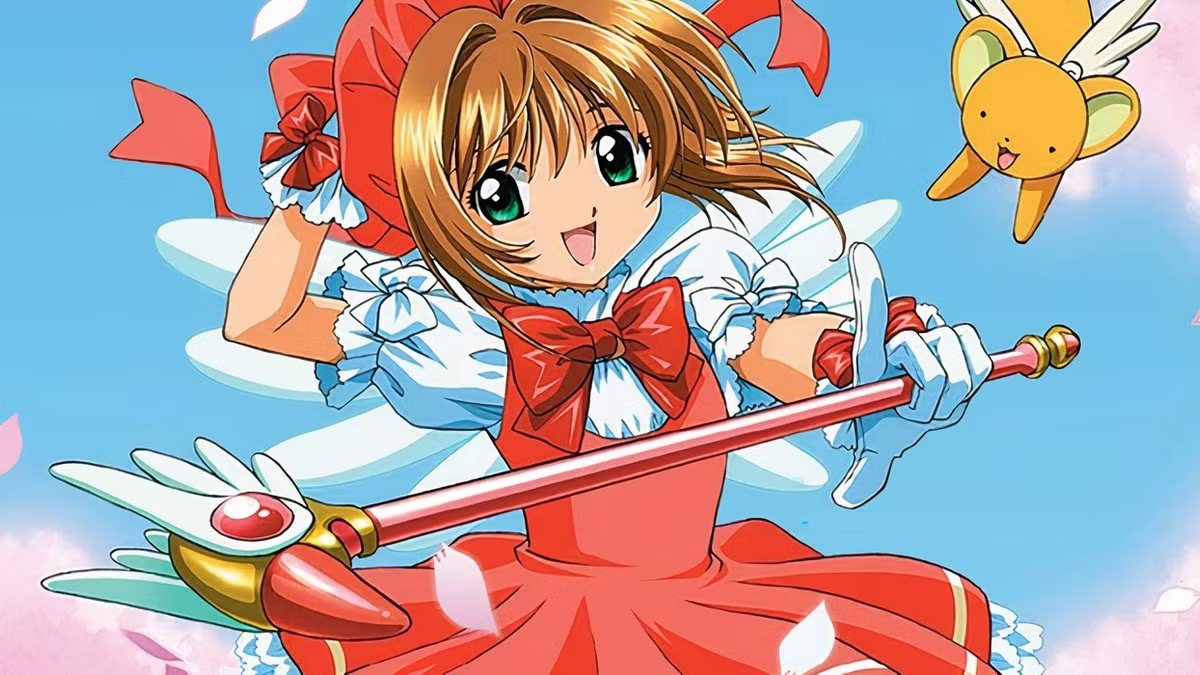
The classic example is Sailor Moon. Magical girl transforms, fights evil, but the core of every episode is the friendship between the characters. Fruits Basket is about a girl living with a family cursed to turn into zodiac animals. Cardcaptor Sakura is a girl collecting magical cards. The stakes exist, but the emotional journey is the point.
Parents tend to worry less about shojo because the violence is minimal. The things to watch for are different: romance (kissing scenes, dating dynamics), emotional intensity (characters dealing with grief, family trauma, self-worth), and occasionally mature relationship themes in older shojo series.
For ages 10-12, Cardcaptor Sakura and Sailor Moon are safe picks. For 13+, Fruits Basket is genuinely one of the best shows about family and healing I have seen in any medium. My daughter watched it last year and it sparked real conversations about how people deal with difficult family situations.
One thing worth knowing: shojo does not mean “only for girls.” My son watched Spy x Family (which has shojo elements) without complaint. Genre labels describe origin, not audience.
Isekai: transported to another world
Isekai (ee-seh-kai) means “different world.” The premise: someone from our world gets transported into a fantasy or game-like world. Think Narnia, The Wizard of Oz, or Ready Player One but animated.
This genre exploded in the last decade. Dozens of new isekai shows every year. The appeal is obvious for kids and teens: ordinary person gains powers, builds a new life, and becomes important in a world where the rules are different.
The problem for parents: isekai has the widest quality and content range of any anime genre.
Kid-friendly isekai: That Time I Got Reincarnated as a Slime (lighthearted adventure, 10+), Ascendance of a Bookworm (a librarian reborn in a medieval world, 8+). These are safe.
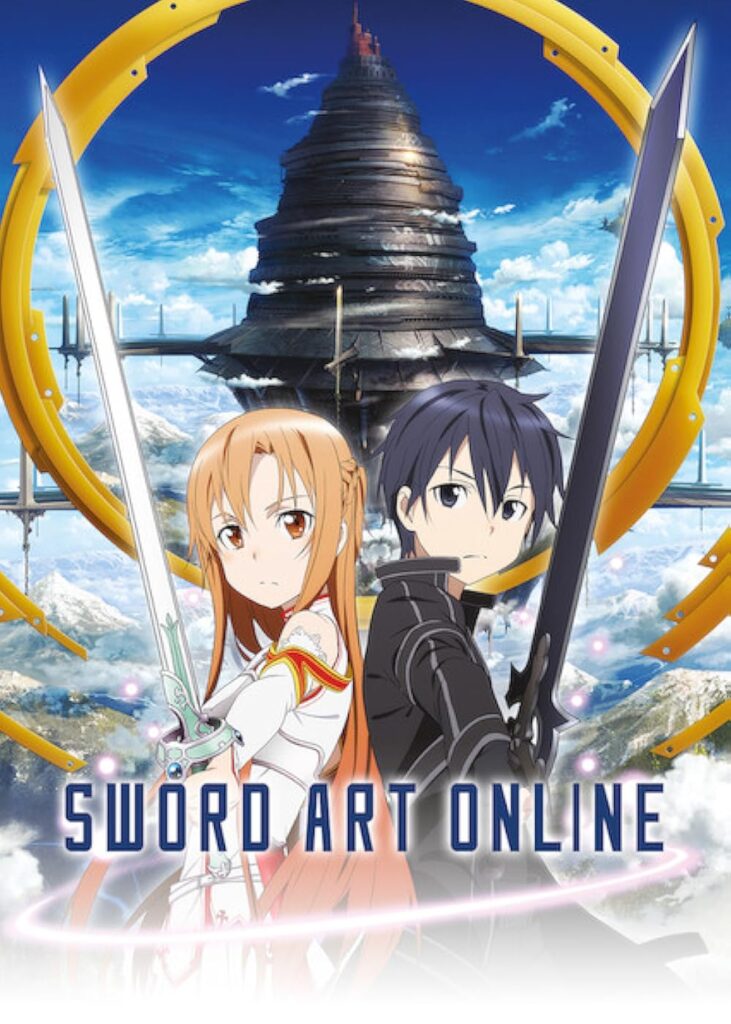
Teen isekai: Sword Art Online (trapped in a video game, 13+, has some intense moments and mild fan service), Re:Zero (time-loop survival, 15+, psychologically dark, scenes of violence and suffering).
Adult isekai (avoid for kids): Overlord (protagonist is a villain), Shield Hero (false accusation plotline, slavery themes), many others with explicit content.
My rule: never approve an isekai show based on the genre alone. Always look up the specific series. The gap between “Bookworm” and “Overlord” is enormous.
Slice of life: quiet, gentle, and underrated
Slice of life is exactly what it sounds like. Everyday stories. No world-ending threats. No superpowers. Just characters living their lives, dealing with school, friendships, hobbies, and growing up.
This is the genre parents never think to look for but should. If your kid gets overwhelmed by action-heavy shows, or if you want anime the whole family can watch without worrying about content, slice of life is your answer.
K-On! is about a high school music club. Four girls learn instruments, practice, eat cake, and put on a concert. That is the entire show. It is charming.
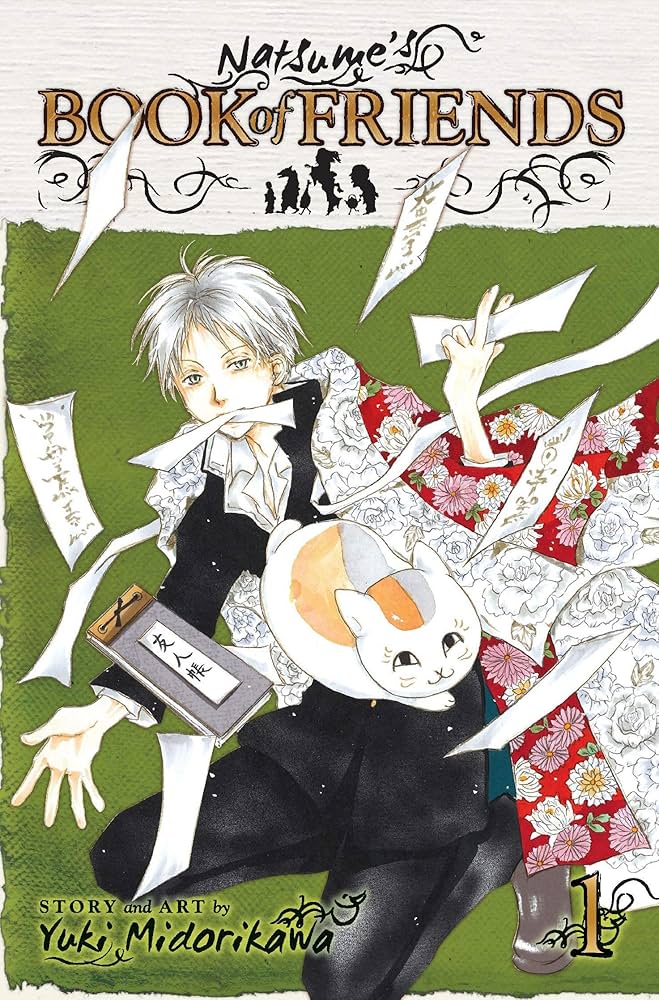
Natsume’s Book of Friends follows a boy who can see spirits. But instead of fighting them, he helps them. Each episode is a quiet story about kindness and loneliness. My daughter called it “the calmest show I have ever watched.”
Barakamon is about a calligrapher who moves to a rural island. He learns from the local community. It is funny, warm, and has zero content concerns.
Most slice of life shows are safe for ages 10 and up. Some deal with mild romance or school drama. A few touch on heavier themes like depression or social anxiety, but handle them gently. If you see “slice of life” in a show’s genre tags, it is usually a good sign.
Seinen and josei: the adult genres your kid should not watch
Seinen means “young man” (18-40 target audience). Josei means “young woman” (same age range). These are anime made for adults. Full stop.
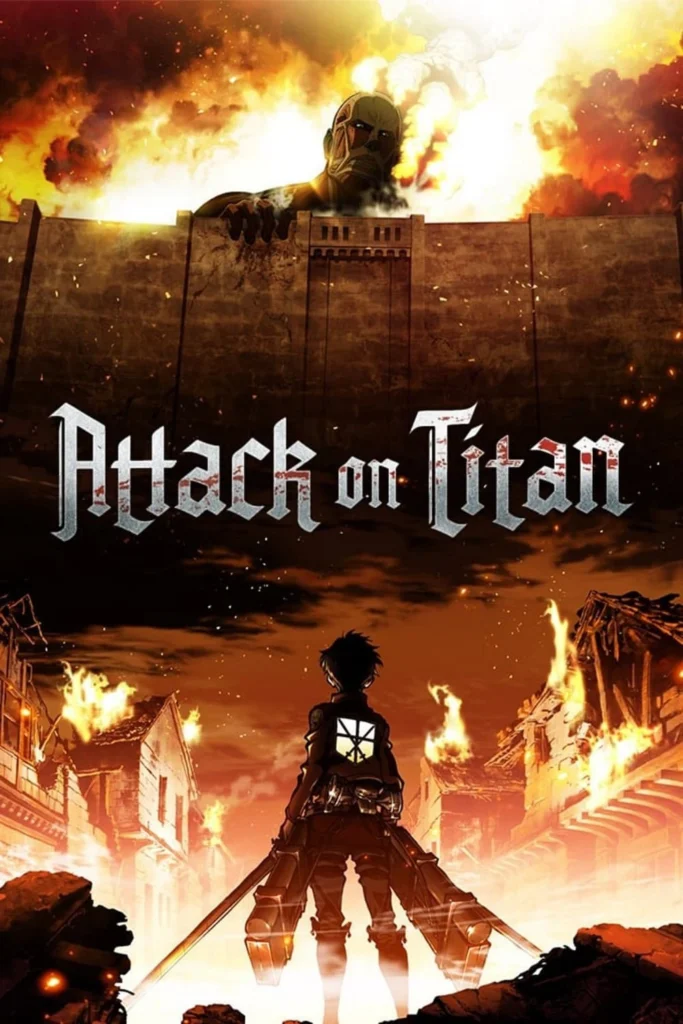
The reason this section matters: some of the most popular anime your kid will hear about are seinen. Attack on Titan. Vinland Saga. Berserk. Tokyo Ghoul. These are frequently recommended in “best anime” lists without any age context. Your kid’s friend might say “Attack on Titan is the best anime ever” without mentioning that characters get eaten alive in graphic detail.
Red flags that a show is seinen/josei:
- Listed as “mature” or “R-17+” on MyAnimeList
- Airs late at night in Japan (after 11pm time slots)
- Published in a seinen magazine (like Young Jump or Big Comic Spirits)
- Heavy themes: war crimes, sexual violence, psychological torture, graphic body horror
There is a gray area. Attack on Titan started in a shonen magazine but its content is clearly seinen-level. Some parents allow it for mature 15-16 year olds. That is a judgment call. But for kids under 14, seinen is a hard no from me.
This is exactly what happened with my son. His friend told him seinen was “better” because it is more mature. More mature, in this case, meant graphic violence and adult themes that a 13-year-old does not need to see. We watched the first episode of Vinland Saga together. Great show. Not for him yet.
Red flags to check before any new show
Genre labels help, but they are not enough. Before letting your kid start a new anime, spend two minutes checking these things:
- Check MyAnimeList.net. Search the show name. Look at the “Rating” field (G, PG, PG-13, R-17+, R+). This is the fastest filter.
- Check Common Sense Media. They review anime with parent-specific notes about violence, language, and sexual content.
- Watch the first two episodes yourself. Most anime shows establish their tone early. If episode 1 has someone losing a limb, it is not getting lighter.
- Google “[show name] parent guide.” IMDb parent guides are detailed about specific scenes.
- Ask about the source magazine. Published in Shonen Jump? Probably 12+. Published in Young Magazine? Probably 17+.
Use our Anime Finder tool to browse shows filtered by age rating. Every show includes content warnings and parent notes.
What’s next
Now that you know the genre labels, pick a starting point for your kid.

About These Recommendations
I’m George. I read to my kids for 10+ years before they started reading on their own. My wife’s a therapist who helped pick books that actually matter for development. Everything on this site got tested on our family first.
FAQ
Anime is animation produced in Japan with a distinct visual style (large eyes, exaggerated expressions, detailed backgrounds). The storytelling tends to be more serialized with ongoing plots, compared to Western cartoons that often have self-contained episodes. In practice, the line has blurred. Shows like Avatar: The Last Airbender borrow heavily from anime traditions.
No. Anime covers the full spectrum from preschool shows (Pokemon, Doraemon) to extremely graphic adult content (Berserk, Elfen Lied). The genre label gives you a starting point: kodomomuke is always safe, shonen and shojo are usually fine with previewing, and seinen/josei should be off-limits for kids. Always check individual shows before letting your child watch.
Three quick ways. MyAnimeList.net shows a rating field for every show (G through R+). Common Sense Media gives parent-specific reviews with age recommendations. IMDb parent guides break down specific content concerns scene by scene. For a curated list with parent notes, try our Anime Finder tool.
Sub means subtitled: the original Japanese audio with English text on screen. Dub means dubbed: English voice actors replace the Japanese audio. For kids under 10 who cannot read fast enough, dubbed is better. Around age 12-13, many kids prefer subtitles because the original voice acting is often more expressive. Both are fine. It is a preference, not a quality issue.
Ghibli films are anime movies, not series. They are standalone stories (90-130 minutes each) rather than multi-episode commitments. Most Ghibli films are family-friendly and beautifully animated. They are often a great introduction to anime for families. See our complete Studio Ghibli Age Guide for ratings on all 25 films.
Filler episodes are stories not based on the original manga source material. Studios create them when the anime catches up to the manga and needs to stall for time. Filler episodes are usually lower quality and do not advance the main plot. Naruto is famous for having roughly 40% filler. You can safely skip filler episodes using online filler guides without missing any important story.
Pokemon is kodomomuke (aimed at children), though it is sometimes grouped under shonen because of its action elements. Either way, it is safe for all ages. The show has been running since 1997 and remains one of the most accessible anime series for young kids.
No. Manga is Japanese comics (printed books read right to left). Anime is Japanese animation (TV shows and movies). Many anime series are adapted from manga, but they are different formats. Some kids prefer reading manga because they can go at their own pace. Others prefer watching anime for the voice acting and music. Often the manga came first and the anime follows the same story.