If you are stuck between adventure and fantasy, one bad first pick can stall your reading for weeks. This page helps you avoid that.
I wrote this for busy readers, parents, and teens who want one clear answer: what should I read tonight? No genre lecture. Just a practical choice you can use fast.
Short version: choose adventure for speed and low setup. Choose fantasy for deeper worldbuilding and longer payoff.
What counts as adventure vs fantasy
Adventure books are set in the real world (or close to it). The stakes are physical: survival, exploration, a journey with real danger. No magic required. Think mountains, oceans, jungles, war zones. The tension comes from what a person can do with their body, their wits, and whatever gear they have. Subgenres include survival (Into Thin Air), historical adventure (Treasure Island), and memoir adventure (Wild).
Fantasy books build a world that does not exist. Magic systems, invented races, maps in the front of the book. The stakes can be personal or world-ending, but the rules are the author’s to set. Subgenres include high fantasy (Lord of the Rings), urban fantasy (Dresden Files), dark fantasy (The Blade Itself), and cozy fantasy (Legends and Lattes).
The overlap is bigger than people think. The Hobbit is a fantasy adventure. Into the Wild is an adventure with almost mythic weight. If a book has you turning pages because you need to know what happens next, it probably has adventure DNA regardless of whether there is a dragon involved.
Who this guide is for
- You want to read more but your attention is inconsistent.
- You are buying books for a teen and need lower-risk first picks.
- You bounced off dense fantasy and want to recover momentum.
- You read fast and want to choose a lane with long-term payoff.
If that sounds like you, this should save you time and a few bad starts.
90-second choice test
- Question 1: Do you want quick momentum tonight? If yes, pick adventure.
- Question 2: Do you enjoy maps, lore, and long arcs? If yes, pick fantasy.
- Question 3: Are you in a reading slump? Pick adventure first.
- Question 4: Do you want one world to live in for months? Pick fantasy.
- Question 5: Reading with a younger teen? Start lighter.
Dad rule: if you cannot decide, run one short adventure first, then shift to fantasy while your momentum is up.
Adventure vs fantasy decision grid
| Decision factor | Adventure | Fantasy | Who should pick it |
|---|---|---|---|
| Startup friction | Low | Medium to high | Adventure for tired readers |
| Pacing | Usually faster | Usually slower setup, bigger payoff | Adventure for quick wins, fantasy for deep immersion |
| Worldbuilding depth | Light to medium | Medium to very deep | Fantasy for lore fans |
| Magic / supernatural | None or minimal | Central to the story | Fantasy if you want invented rules |
| Setting | Real world or realistic | Invented world | Adventure for grounded stories |
| Commitment length | Standalone-friendly | Series-heavy | Adventure if your schedule is messy |
| Reread value | Moderate | High (layered worlds reward rereads) | Fantasy if you reread favorites |
| Family crossover ease | Strong with classics/nonfiction | Strong with select entries | Both can work with the right picks |
| Best use case | Break a slump fast | Build a long reading habit | Pick based on your current season |
Most people miss here because they choose the reader identity they want instead of the energy they actually have this week.
If adventure is your lane
Use this lane when you want clear stakes, tighter pacing, and less setup work. These four books range from a 100-page classic to a modern memoir, but they all share one trait: you will finish them.
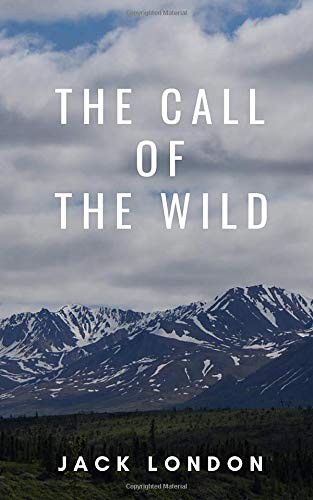
Under 200 pages. You can start this after dinner and be halfway through before bed. Jack London drops you into the Yukon with a dog who is more interesting than most novel protagonists. No setup chapter, no backstory dump. The story moves from the first page. This is the book I hand to anyone who says they do not have time to read.
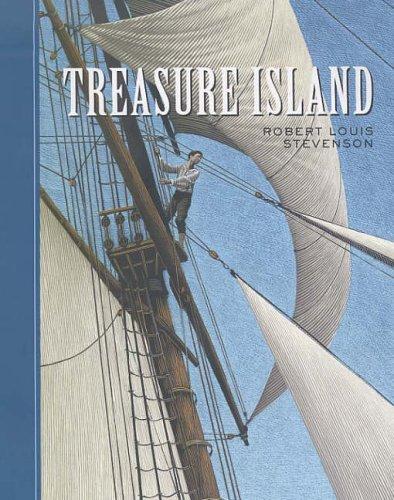
The adventure novel that invented the template every other adventure novel copies. Pirates, treasure maps, double-crosses, a kid way out of his depth. It moves fast and it has real tension even if you know the plot from adaptations. My son read this at 12 and brought it up again months later. That tells you more than any review.
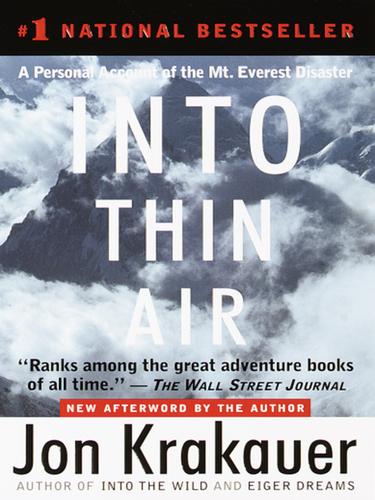
True story. 1996 Everest disaster. Krakauer was there as a journalist and watched people die. The book is brutal, honest, and impossible to put down once you hit the storm chapters. Not for younger readers, but if you want adventure that matters, this is the one. It changed how I think about risk.
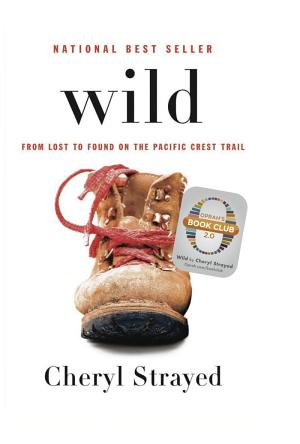
Cheryl Strayed hiking the Pacific Crest Trail alone after her life fell apart. This is a slower burn than the other three, more reflective, but it still counts as adventure. Walking 1,100 miles with a pack that is too heavy qualifies. Good for when you want momentum but also want something that makes you think.
- Best first pick when tired: The Call of the Wild.
- Best classic momentum pick: Treasure Island.
- Best true-story intensity pick: Into Thin Air.
- Best reflective adventure: Wild.
Do this: read one short adventure first, then decide if you want to stay there or move to fantasy.
If fantasy is your lane
Use this lane when you want world depth, recurring characters, and bigger long-arc payoff. The trap with fantasy is starting too big. These four are ordered from easiest entry to most demanding.
Sanderson built a magic system where people swallow metals to gain powers, then dropped a heist crew into a world ruled by an immortal tyrant. It reads like a thriller disguised as fantasy. The trilogy is complete, so you will never be left waiting for a sequel that does not come. Best modern starting point for people who bounced off Tolkien.
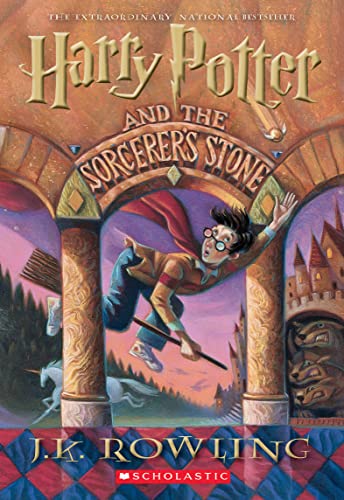
If you have kids, start here. Not because it is simple, but because reading it together changes the experience. My kids and I read the series over two years. The early books are short and fast. By Goblet of Fire, you are in deep and nobody wants to stop. Works as a solo read too, but the family angle is what makes it a fantasy starter that actually sticks.
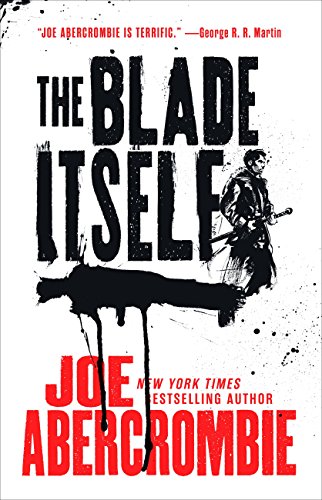
Joe Abercrombie writes fantasy for people who find most fantasy too clean. The heroes are damaged, the fights are ugly, and nobody gives inspirational speeches. If you like gritty crime fiction or dark dramas, this is your fantasy entry point. Not for younger readers. The trilogy is complete and the standalone sequels are even better.
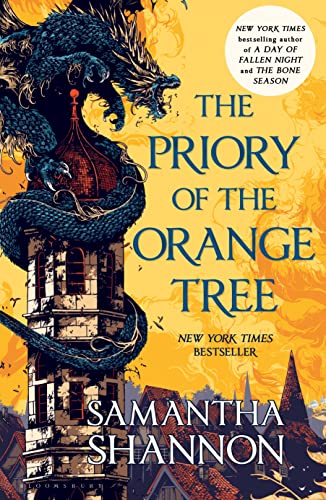
One book. 800+ pages, but one book. No series commitment. Samantha Shannon built a world with dragons, magic, multiple cultures, and a sprawling cast, then wrapped it all up in a single volume. Pick this if you want the epic fantasy feeling without signing up for ten installments. The sequel series is optional.
- Best modern starter: Mistborn: The Final Empire.
- Best family crossover starter: Harry Potter and the Sorcerer’s Stone.
- Best darker modern starter: The Blade Itself.
- Best one-book epic option: The Priory of the Orange Tree.
Do this: if fantasy usually overwhelms you, skip giant epics first and start with Mistborn or Harry Potter.
Books that blend both genres
Some of the best books refuse to pick a lane. If the decision grid above left you split, these blend adventure pacing with fantasy worldbuilding.
- The Hobbit by J.R.R. Tolkien. A quest with a dragon. Reads like an adventure novel wrapped in a fantasy world. Shorter and faster than Lord of the Rings. Good for readers who want both genres in one book.
- The Princess Bride by William Goldman. Swordfights, pirates, giants, true love, and a frame narrative that is genuinely funny. Half adventure, half fairy tale, entirely unpredictable.
- Piranesi by Susannah Clarke. A man explores an infinite house full of statues and tides. Fantasy setting, adventure pacing, mystery engine. Under 300 pages. Nothing else reads like it.
- The Night Circus by Erin Morgenstern. Two magicians locked in a competition played out through a traveling circus. Atmospheric and slow in the best way. Fantasy worldbuilding with the momentum of a thriller subplot.
- The Chronicles of Narnia by C.S. Lewis. Kids walk through a wardrobe into a fantasy world, then have real adventures in it. Seven short books, all readable in a weekend each. The best entry point for families who want both genres without picking a side.
If you like both genres equally, these will feel like home. They also make good palate cleansers between pure adventure and pure fantasy runs.
Quick picks by age
If you are buying for someone else or reading with your kids, age matters more than genre preference.
- Ages 8-10: Harry Potter (fantasy) or Treasure Island (adventure). Both move fast and have clear heroes.
- Ages 11-13: Percy Jackson (fantasy) or The Call of the Wild (adventure). Percy Jackson teaches mythology sideways. Call of the Wild is short enough to finish in a few days.
- Ages 14-17: Mistborn (fantasy) or Into Thin Air (adventure). Both are serious reads that do not talk down to teens.
- Adults returning to reading: The Call of the Wild or Mistborn. Lowest friction, highest finish rate.
- Family read-together: The Hobbit or Narnia. Both work across a wide age range and spark conversation.
If you like both: mixed reading plan
Most readers do better alternating genres than forcing one lane until burnout.
- 30-day plan: The Call of the Wild, then Mistborn: The Final Empire
- 60-day plan: Treasure Island, then Harry Potter and the Sorcerer’s Stone, then Into Thin Air
- 90-day plan: Call of the Wild, then Mistborn, then The Blade Itself, then Wild
The alternating pattern works because adventure recharges your pace tolerance and fantasy deepens your reading investment. Doing both keeps you from plateauing in either.
Mistakes that kill momentum
- Starting with a 700+ page epic when your weekly reading time is low.
- Picking an unfinished series when unfinished arcs annoy you.
- Choosing based on hype instead of your current energy level.
- Reading one genre only until you burn out.
- Judging fantasy by one bad experience. If Tolkien lost you, Sanderson might click. Different authors solve the genre differently.