
I’ve worked remotely for years. It’s great, but it’s not for everyone. The freedom comes with isolation, blurred boundaries, and the constant temptation to check Slack at 10pm because your phone is right there.
Most books on remote work fall into a few traps: they’re either too dogmatic, too broad (advice that applies to any team, not specifically remote), or written before COVID changed everything. The books and resources below avoid those pitfalls. They’re the ones I’ve actually found useful.
Best Remote Work Books
Remote: Office Not Required by Jason Fried and David Heinemeier Hansson
Probably the best book I’ve read on working remotely. If you know Fried from Rework, you know the style: opinionated, practical, no filler. This book won’t give you step-by-step tactics. Instead, it helps you cross the mental gap between remote work and collocated work.
I’ve talked with many colleagues and founders who are still on the fence about remote work’s benefits. This is the book I recommend to them. Fried and Hansson cover the real challenges, including time zone coordination, cabin fever, and loneliness, without pretending remote work is perfect.
The Year Without Pants by Scott Berkun
Berkun tells his personal story of working at Automattic, the company behind WordPress and one of the largest fully distributed companies in the world. The book was written in 2013, so some tool references are outdated, but the insights about remote team culture hold up.
There’s good coverage of written communication as the backbone of remote work, and Automattic’s P2 internal blogging system (still used today). Light, enjoyable read with practical lessons throughout.
Deep Work by Cal Newport
Not specifically about remote work, but deeply relevant. Newport argues that uninterrupted, focused time is the most valuable resource in knowledge work, and that most people are terrible at protecting it. Remote work creates the opportunity for deep work, but only if you structure your day to allow it.
The book is split into two parts: why deep work matters and how to do more of it. Newport believes these skills will be key to success in coming decades, and the evidence supports him.
Work-from-Home Hacks by Aja Frost
When Frost left for remote work during COVID, she thought it would be temporary. It wasn’t. This book packs the advice she wished she’d had when the transition became permanent. It covers practical situations like maintaining boundaries between work and life, which is tough when you have kids and your office is 10 steps from the kitchen.
Rework by Jason Fried and David Heinemeier Hansson
Fried and Hansson again. Rework challenges conventional business wisdom with short, direct chapters on delegation, time management, and decision-making. It’s not a remote work book per se, but the Basecamp philosophy that drives it, small teams, asynchronous communication, ruthless prioritization, is the foundation of effective remote work.
Quick read. Each chapter is a few pages. You can finish it in a weekend and come away with a different perspective on how work should function.
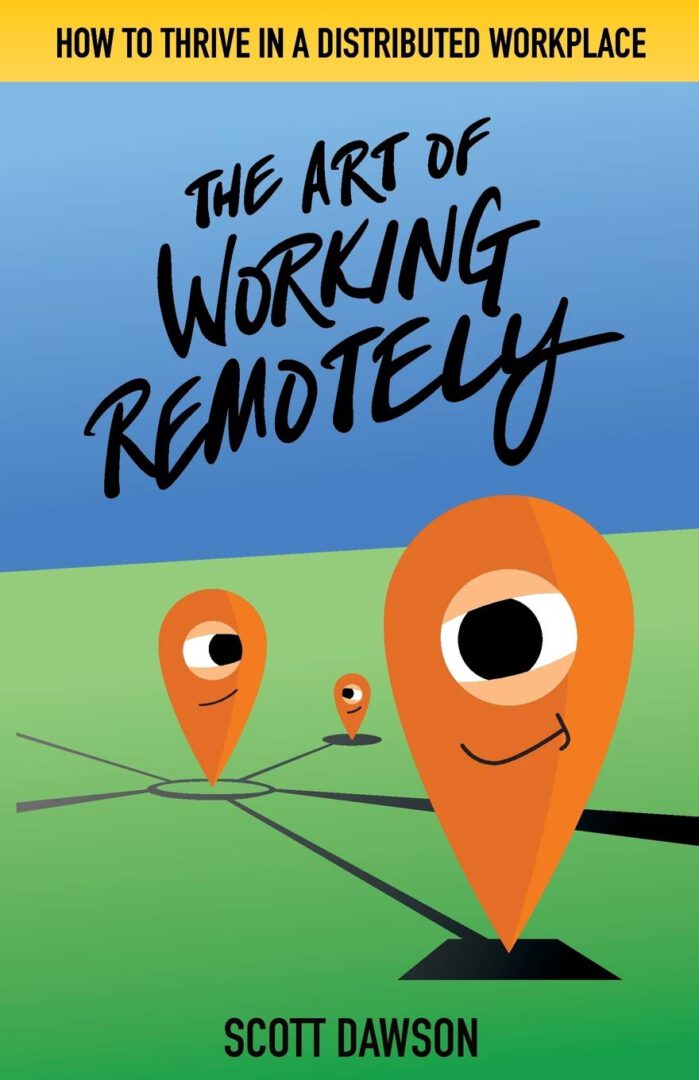
The Art of Working Remotely by Scott Dawson
A step-by-step guide to building a successful remote career. Dawson covers finding the right remote role, setting up an efficient home office, managing your time, and staying motivated when nobody is watching. Practical and well-organized.
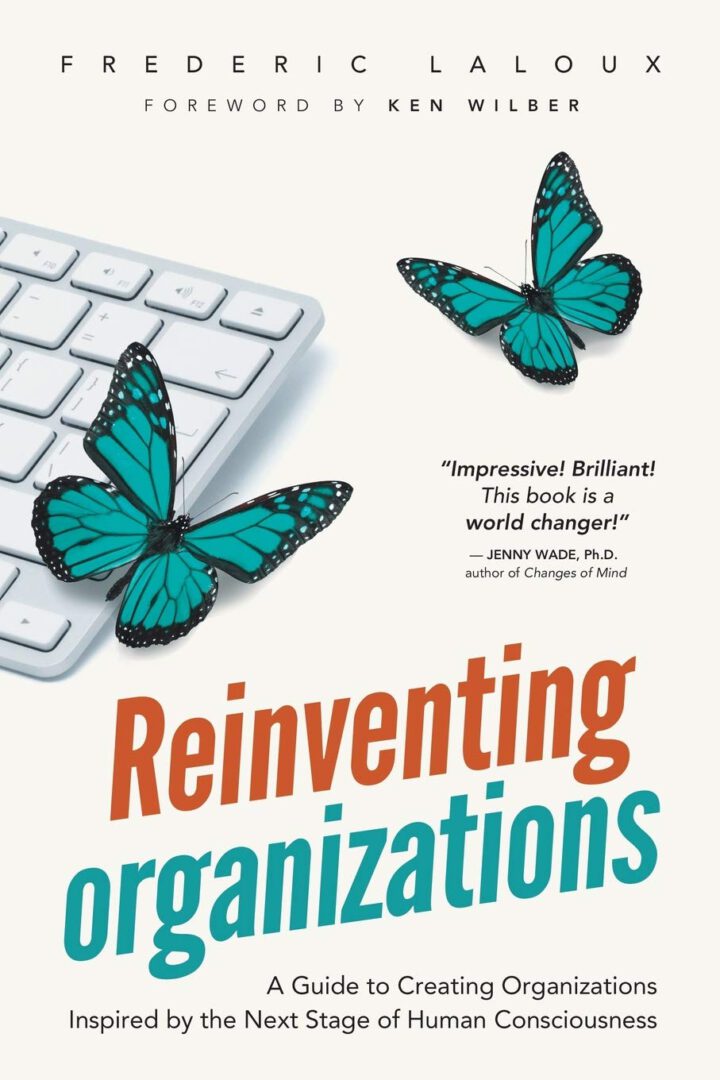
Reinventing Organizations by Frederic Laloux
Laloux explores “teal organizations,” companies that are self-managing, purpose-driven, and agile. While not exclusively about remote work, the organizational model he describes, one based on trust, autonomy, and distributed decision-making, aligns naturally with remote-first cultures.
The book is more philosophical than tactical. Worth reading if you’re interested in how organizations might evolve beyond traditional hierarchies.
Free Resources and Playbooks
Some of the best remote work content isn’t in books. It’s in operational playbooks published by companies that have been doing distributed work for years. These are free and worth your time.
The Ultimate Guide to Remote Work by Zapier (free)
Zapier is fully distributed and founder Wade Foster wrote this as a Kindle ebook. It’s tactical, current, and drawn from real experience running a remote company. The stories make you feel like you’re there, and the no-filler advice gives you tactics to apply immediately. Get the Kindle edition or read it online.
Remote Playbooks from GitLab (free)
GitLab is one of the world’s largest all-remote companies. Their Remote Playbook covers everything from emergency remote work plans to setting up async communication. They also offer a starter guide for employees transitioning to work from home.
Remote Work Guide by Shogun (free)
Shogun has been fully distributed since 2015. Their guide shares lessons from building an effective remote team from day one, including the three pillars of building a remote team: processes, tools, and culture.
No Excuses: The Definitive Guide to Managing a Remote Team by Hubstaff (free)
Written by Hubstaff co-founder Dave Nevogt. Covers the challenges and rewards of building a remote workforce from a founder’s perspective. Good content on onboarding, remote meetings, time zone management, and measuring productivity without micromanaging.
Mattermost Handbook (free)
Mattermost is an open-source, remote-first company. Their public handbook documents how they run operations, coordinate across time zones, and maintain company culture as a distributed team.
What’s Next

About These Recommendations
I’m George. I read to my kids for 10+ years before they started reading on their own. My wife’s a therapist who helped pick books that actually matter for development. Everything on this site got tested on our family first.