
The jump from individual contributor to manager is one of the hardest transitions in tech. Nobody teaches you how to run a meeting, give feedback that lands, or handle the person on your team who’s brilliant but impossible to work with.
My favorite on this list is The Making of a Manager by Julie Zhuo. It was the first management book that felt like someone was describing my actual experience rather than an idealized version of it.
The 15 books below cover management from three angles: general management skills, software engineering leadership specifically, and the human side of managing people.
Management Books
These books cover the fundamentals: how to run teams, make decisions, and build the habits that separate good managers from the ones everyone complains about.
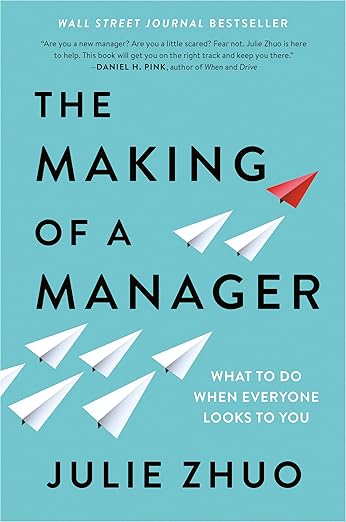
The Making of a Manager by Julie Zhuo
Zhuo became a manager at Facebook at 25, with no idea what she was doing. She’s honest about the mistakes and the learning curve. That honesty makes the book feel like advice from a friend who’s been through it rather than a lecture from someone who always had it figured out.
The core message: management is about making others better as a result of your presence. Simple idea, hard to execute. Zhuo gives you practical tools for the daily reality of one-on-ones, team dynamics, and figuring out what “good” looks like.
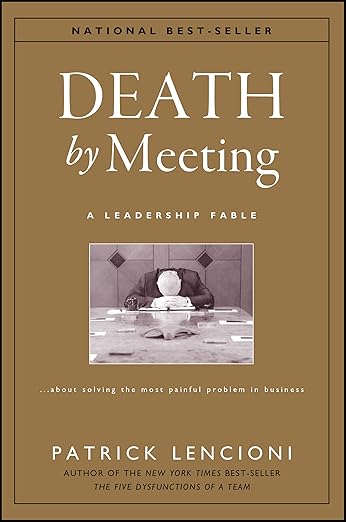
Death by Meeting by Patrick M. Lencioni
Lencioni makes his case through a business fable, which isn’t for everyone. But the framework he introduces for structuring meetings is genuinely useful. His argument: meetings are bad because we mix different types of discussions into the same hour. Separate them and meetings become productive.
If your calendar is packed with meetings that go nowhere, this gives you a concrete system to fix that.
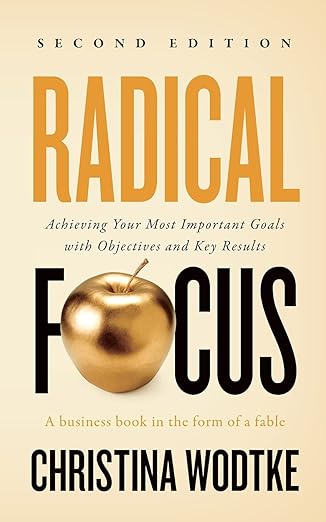
Radical Focus by Christina Wodtke
Wodtke teaches OKRs (Objectives and Key Results) through a startup story. The narrative format keeps it engaging, and the framework is practical enough to implement the week after you finish reading.
OKRs sound simple but most teams get them wrong. Wodtke shows the common mistakes and how to set objectives that actually drive focus rather than becoming bureaucratic overhead.
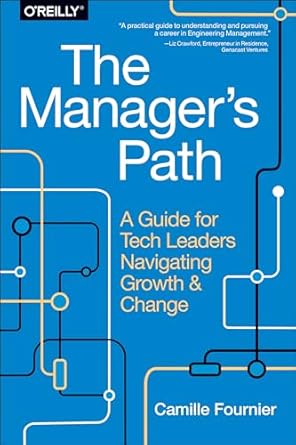
The Manager’s Path by Camille Fournier
Fournier maps out the entire career ladder in tech management, from individual contributor to CTO. Each chapter covers a different level, so you can jump to wherever you are right now.
This is the book I wish existed when I first moved into a technical lead role. Fournier covers the specific challenges at each level: mentoring, tech lead responsibilities, managing multiple teams, and the shift from hands-on coding to organizational thinking.
High Output Management by Andrew S. Grove
Grove was CEO of Intel and this book reflects that operational mindset. He treats management like engineering: measure outputs, optimize processes, remove bottlenecks. It’s been influential in Silicon Valley for decades.
The book is dense but rewarding. Grove’s framework for thinking about management as a production system gives you a different lens than most leadership books. Less about inspiration, more about leverage and results.
Managing Humans by Michael Lopp
Michael Lopp (Rands in Repose) writes about the absurd, frustrating, rewarding reality of managing engineers. His style is funny and direct. Each chapter is a standalone essay about a specific management situation: the one-on-one, the meeting, the reorg, the person who’s about to quit.
If you’ve read too many dry management books, this is the antidote. Lopp gets the human side of tech management better than most authors in this space.
Behind Closed Doors by Johanna Rothman and Esther Derby
Rothman and Derby focus on what managers actually do behind closed doors: coaching conversations, performance discussions, team dynamics. The book is structured around a fictional manager navigating common scenarios, which makes it easy to see how the advice applies to real situations.
Shorter and more focused than most management books. Good for managers who want actionable tactics rather than theory.
Software Engineering Management
Managing software teams has specific challenges that generic management books don’t cover. Technical debt, scaling engineering organizations, cross-functional collaboration. These books address the intersection of engineering and management directly.
Growing Software by Louis Testa
Testa treats software engineering management as a nurturing process. The right environment matters more than the right process. The book covers resource allocation, fostering innovation, and creating conditions where teams do their best work without micromanagement.
An Elegant Puzzle by Will Larson
Larson tackles the hard, systemic problems in engineering management: how to scale teams, design compensation frameworks, manage organizational migrations, and handle the complexity that comes with growth. Every chapter feels like it addresses a real problem you’ve faced or will face.
This is one of the more practical engineering management books. Larson doesn’t just describe problems, he offers frameworks and models you can apply directly.

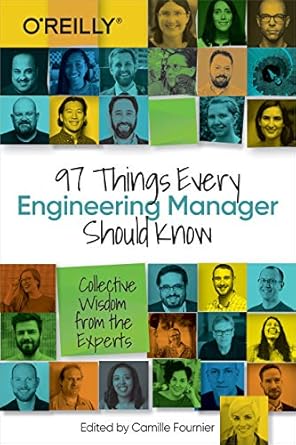
97 Things Every Engineering Manager Should Know by Camille Fournier
Fournier compiled short essays from dozens of engineering leaders, each covering a specific topic: managing technical debt, building a culture of learning, handling production incidents, navigating reorgs. The format works well. You can pick it up, read one essay, and put it down with something useful.
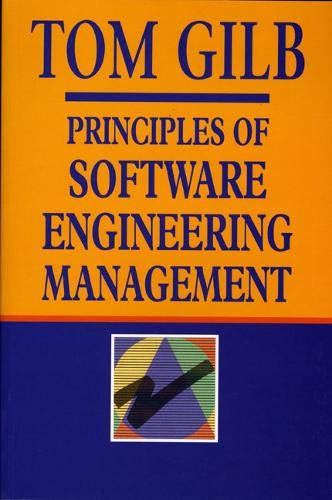
Principles of Software Engineering Management by Tom Gilb
Gilb combines traditional management principles with an agile mindset. The book argues for flexibility, rapid iteration, and team collaboration over rigid planning. If you’re bridging waterfall-era thinking with modern agile practices, Gilb’s framework gives you a path forward.
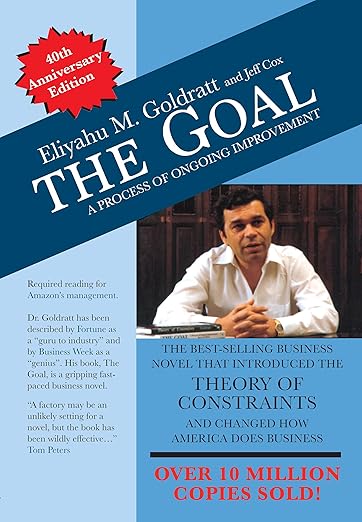
The Goal by Eliyahu M. Goldratt and Jeff Cox
Not a software book, but widely read in engineering circles. Goldratt introduces the Theory of Constraints through a factory narrative that reads like a thriller. The core lesson: find the bottleneck, fix the bottleneck, repeat. It applies to manufacturing, software delivery pipelines, and any system where throughput matters.
The story format makes complex operations concepts accessible. It’s been recommended reading at engineering organizations for decades for good reason.
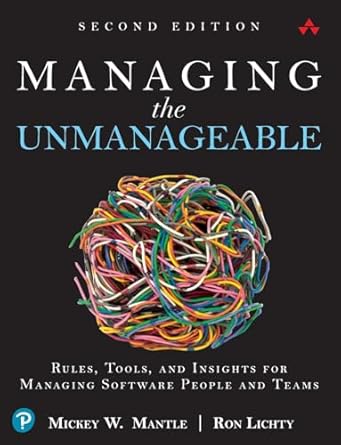
Managing the Unmanageable by Mickey W. Mantle and Ron Lichty
Mantle and Lichty acknowledge what every engineering manager knows: software developers have distinct work styles and motivations that don’t always fit traditional management approaches. The book covers hiring, motivation, retention, and the specific dynamics of engineering teams.
Practical advice from people who’ve been in the trenches. If you manage developers and sometimes feel like you’re herding cats, this book has answers.
Managing People
All management comes down to people. These two books focus on the human fundamentals: understanding team dynamics and building genuine influence with the people around you.
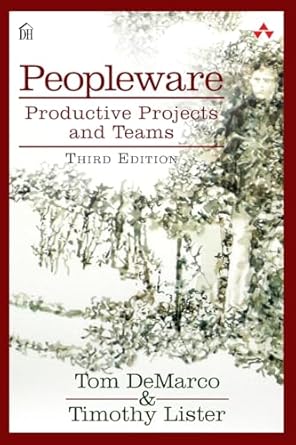
Peopleware by Tom DeMarco and Tim Lister
DeMarco and Lister argue that most software project failures are people problems, not technical ones. The book examines what makes teams productive: the right environment, minimal interruptions, and managers who protect their team’s focus instead of disrupting it.
First published in 1987, updated multiple times since. The core insights about open offices killing productivity and the importance of team chemistry are even more relevant now than when it was written.
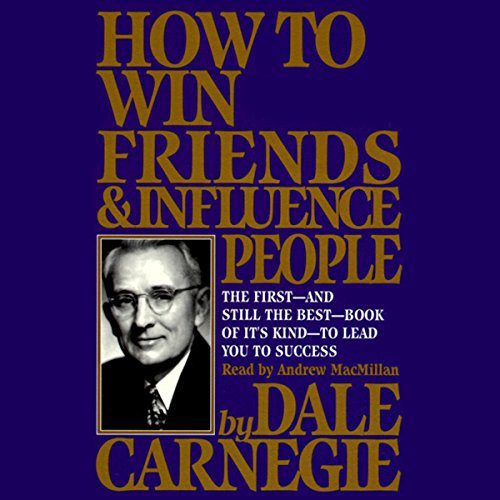
How to Win Friends and Influence People by Dale Carnegie
Carnegie’s classic from 1936 still shows up on every business reading list for a reason. The principles are timeless: listen more than you talk, show genuine interest in people, and make others feel important. Simple ideas that are hard to practice consistently.
Don’t be put off by the title. The book is about building real relationships, not manipulation. Whether you’re persuading stakeholders, managing up, or trying to improve team dynamics, Carnegie’s advice applies.
What’s Next
Related Reviews

About These Recommendations
I’m George. I read to my kids for 10+ years before they started reading on their own. My wife’s a therapist who helped pick books that actually matter for development. Everything on this site got tested on our family first.