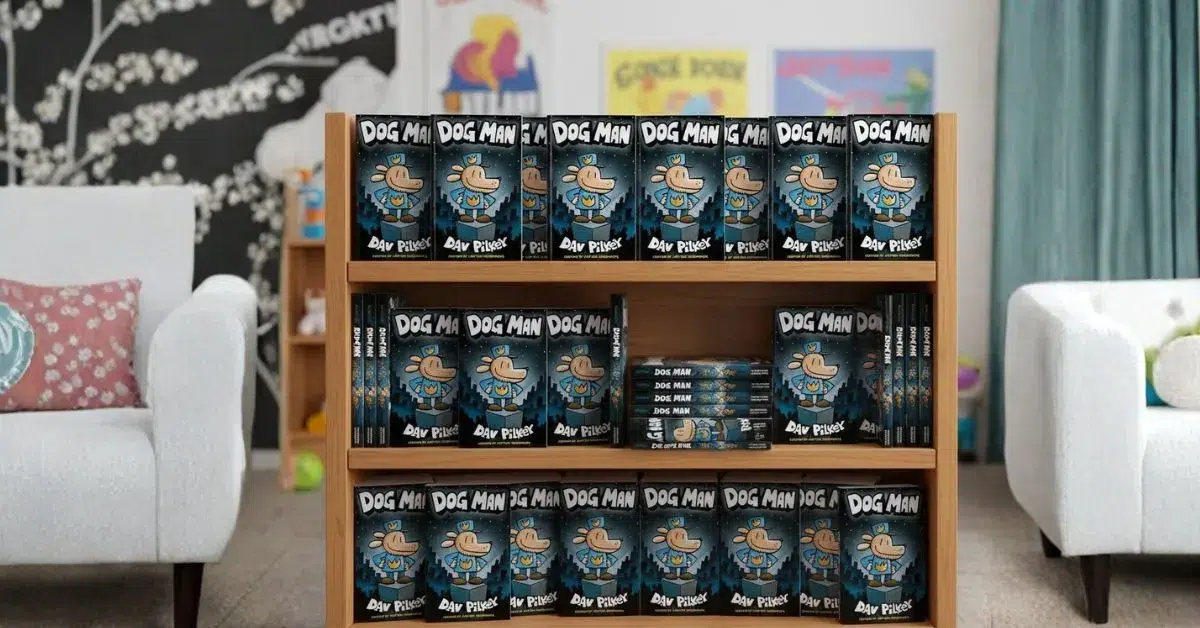
My son devoured all 14 Dog Man books in about three weeks. He’d finish one at dinner, grab the next one, and disappear into his room. For a kid who told me he “didn’t like reading,” this was a breakthrough.
Then he finished the last one and looked at me like I’d personally failed him. “What do I read now?”
That question sent me down a rabbit hole of graphic novels, manga, and visual storytelling formats I never would have explored on my own. Two years later, my son reads constantly. Not just graphic novels anymore, though those are still his favorites. He moved from Dog Man to Amulet to Dragon Ball manga, and now he reads prose novels too. Graphic novels were the bridge.
Why Graphic Novels Work for Reluctant Readers
Graphic novels aren’t a shortcut or a consolation prize. They’re a legitimate reading format that builds real comprehension skills. The pictures carry part of the narrative, which means kids process story, character development, and plot structure without the barrier of decoding every single word on every line. Their brains are still doing the work of reading. They’re just getting visual support while they do it.
Research backs this up. Studies on graphic novels in education consistently show that visual narratives improve reading engagement, vocabulary acquisition, and story comprehension in struggling readers. The American Library Association has recognized graphic novels as valuable literacy tools for over a decade.
But you don’t need research to see it working. You just need to hand a Dog Man book to a kid who says they hate reading and watch what happens. My son went from refusing to read anything to finishing entire series in a weekend. The format removed the friction that was stopping him.
How to Choose the Right Graphic Novel
Not all graphic novels work the same way for every kid. The trick is matching the format to where your child is right now, not where you want them to be eventually.
Match the Difficulty Level
Think of graphic novels on a progression:
- Entry level (ages 6-8): Mostly pictures, minimal text per page. Dog Man, Captain Underpants, Cat Kid Comic Club. Heavy on humor, light on reading demand.
- Intermediate (ages 8-11): More text, longer stories, some series continuity. InvestiGators, Bad Guys, Hilo, Lunch Lady. Kids need to follow multi-book plots.
- Advanced (ages 10-14): Complex stories, emotional themes, longer page counts. Amulet, Wings of Fire, Bone. These read more like novels that happen to have pictures.
- Manga (ages 10+): Japanese format, read right-to-left. Dragon Ball, Naruto, Demon Slayer. Thousands of pages per series, strong connection to anime shows kids already watch.
Start one level below where you think your kid should be. A kid who breezes through something builds confidence and keeps going. A kid who struggles puts the book down and tells you graphic novels are boring too.
Follow Their Interests
A kid who loves fart jokes and chaos will bounce off a serious fantasy epic. A kid who’s into Minecraft might connect with Hilo’s sci-fi world. A kid who watches Dragon Ball will tear through the manga. Don’t pick based on what you think they should read. Pick based on what they’re already excited about.
Series length matters too. Some kids want a quick standalone. Others want to know there are 20 more books waiting. If your kid just finished 14 Dog Man books, they’re a series reader. Give them another series.
Our Graphic Novel Guides
Every series in these guides has been read in our house. Recommendations are organized by difficulty and what kind of reader they work best for.
- After Dog Man: Graphic Novels for Reluctant Readers – Nine series organized by difficulty for ages 6-14. Starts with more Dav Pilkey (Captain Underpants, Cat Kid Comic Club), moves through series like InvestiGators and Bad Guys, and ends with longer-form epics like Amulet and Wings of Fire. The guide every parent needs when Dog Man runs out.
Manga for Kids
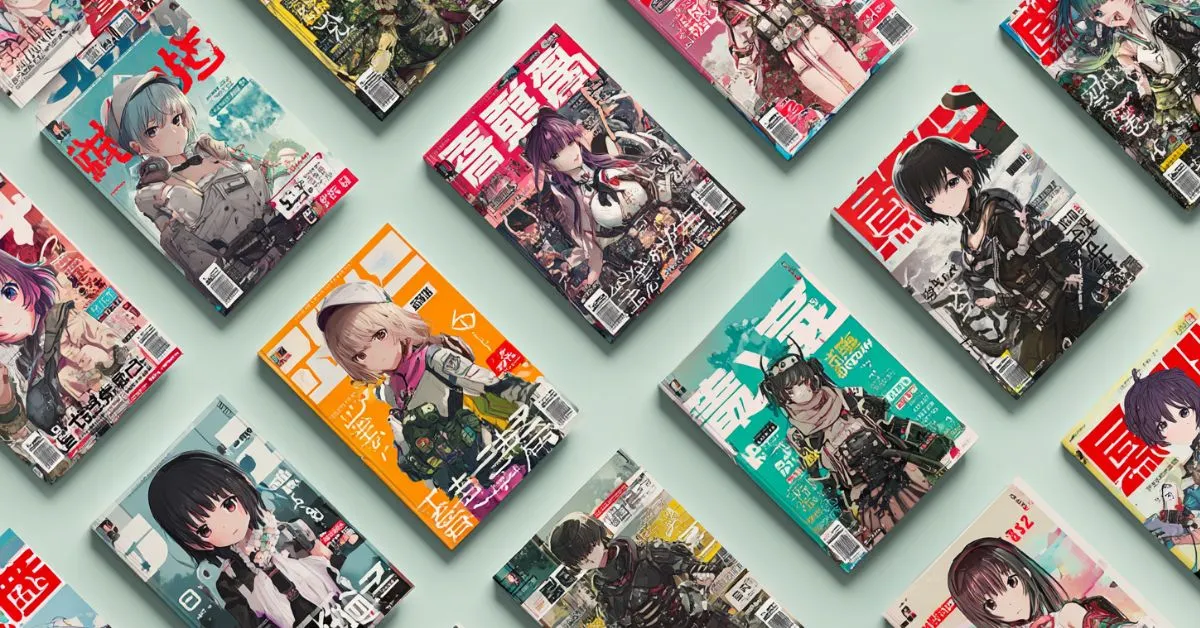
Manga is Japanese graphic novels, and some of the best long-form visual storytelling for kids comes in this format. If your child watches anime, the manga versions of those shows are an easy sell since they’re already invested in the characters and story.
The right-to-left reading format takes about five minutes to get used to. My son figured it out on his own without any help. Kids adapt faster than adults.
- Dragon Ball Manga Reading Order – The complete guide to all 42 original volumes, Dragon Ball Super, and every box set worth buying. Good entry point for kids 8 and up.
- All Anime & Manga Guides – Our full collection of anime guides, manga reading orders, and Japanese pop culture coverage.
Coming Up
We’re building graphic novel guides by age range and reading level. More reading order guides for series like Amulet, Wings of Fire, and Bad Guys are in the works, plus manga recommendations for kids who are ready to graduate from Dog Man to something with more story.

About These Recommendations
I’m George. I read to my kids for 10+ years before they started reading on their own. My wife’s a therapist who helped pick books that actually matter for development. Everything on this site got tested on our family first.
FAQ
Yes. Graphic novels require readers to process visual narrative, follow panel sequences, decode text, and integrate images with dialogue to understand the story. Research in literacy education consistently shows that graphic novels build reading comprehension, vocabulary, and engagement in struggling readers. The American Library Association recognizes graphic novels as legitimate and valuable reading material. They are not a lesser form of reading. They are a different format that builds the same core skills.
Start with more Dav Pilkey: Captain Underpants (full-color editions) and Cat Kid Comic Club are set in the same universe with the same humor. Then try series with similar energy like InvestiGators by John Patrick Green, The Bad Guys by Aaron Blabey, or Hilo by Judd Winick. For kids ready for more story, Amulet by Kazu Kibuishi and Wings of Fire by Tui T. Sutherland offer longer, more complex graphic novels. If your kid watches anime, manga (Japanese graphic novels like Dragon Ball) is another natural next step.
Graphic novels span all ages. Series like Dog Man and Captain Underpants are designed for ages 6-12. Intermediate series like InvestiGators and Bad Guys work for ages 7-11. Advanced graphic novels like Amulet and Bone are best for ages 10-14. Manga series like Dragon Ball start at ages 8-10 and go up from there. There are also graphic novels for adults. The format itself has no age limit. The key is matching the specific series to your child’s reading level and maturity.
Graphic novels are complete stories published as books, usually 100-300+ pages. Comic books are shorter (20-30 pages) and published as ongoing serialized issues. For kids, graphic novels are generally the better format because each book tells a complete story arc rather than ending on a cliffhanger every 20 pages. Series like Dog Man, Amulet, and Wings of Fire are graphic novels. Superman and Spider-Man monthly issues are comic books. Manga volumes are closer to graphic novels in format, typically 180-200 pages per volume.