
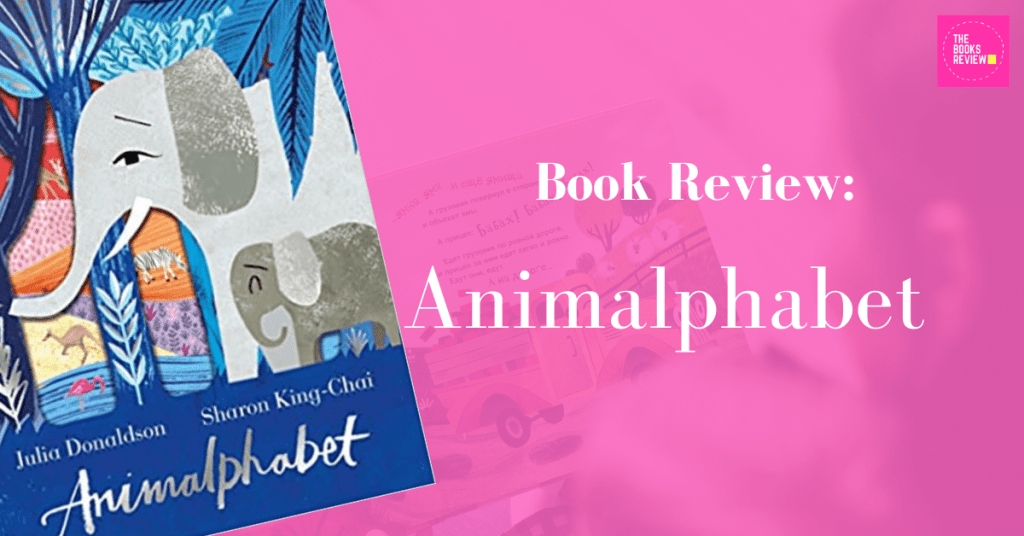
Animalphabet was one of the first alphabet books that actually held my kids’ attention past the letter C. Most alphabet books are forgettable. This one isn’t.
Julia Donaldson and Sharon King-Chai created something special here. It’s not just an ABC book. It’s a guessing game, an art experience, and a vocabulary builder wrapped into one.
What Is Animalphabet About?
The concept is simple but clever. Each page presents a rhyming riddle about an animal, with visual clues hidden in the artwork. Lift the flap to reveal if you guessed correctly.
“Who is AMAZING and keeps a frog warm?” leads to a picture of a coiled python. “Who is BIGGER with a very long nose?” reveals an elephant. The animals progress through the alphabet, each one described as “more” of something than the one before.
The comparisons teach adjectives naturally. Kids learn words like “curly,” “elegant,” “fierce,” and “gentle” while playing along.
Best for ages 2-6. Younger toddlers enjoy the flaps and animals. Older preschoolers engage with the rhyming riddles and letter recognition.
About the Creators
Julia Donaldson needs little introduction. She wrote The Gruffalo, Room on the Broom, Stick Man, and dozens of other picture books that have become bedtime staples. Her rhyming text is always fun to read aloud.
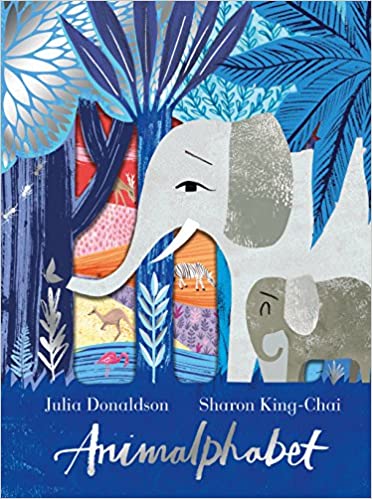
Sharon King-Chai is the illustrator, not Axel Scheffler (who usually partners with Donaldson). King-Chai’s background in music industry design shows in the bold, graphic style. Each page is a visual composition, not just an illustration. She uses cut-paper aesthetics, vibrant colors, and clever peep-through holes.
The book won the 2018 Chen Bochui International Children’s Literature Award and was shortlisted for the D&AD Awards in 2019.
What Makes It Special
The artwork is genuinely stunning. This isn’t generic clip-art animals. Each page is designed like a piece of graphic art. The colors pop. The compositions are thoughtful. It’s the kind of book you don’t mind having scattered on the living room floor.
The lift-the-flap design works well. Each flap reveals the full animal after you’ve guessed from the clues. The anticipation builds naturally. My kids got better at guessing as the book went on.
The rhymes are readable. Donaldson’s text flows smoothly. No awkward phrasing or forced rhymes. It’s pleasant to read aloud multiple times, which matters when your kid requests the same book every night for a week.
It teaches without feeling teachy. Letter recognition, adjectives, animal vocabulary, prediction skills. All built into a game format that kids actually enjoy.
What Could Be Better
The flaps are thin paper, not board. Enthusiastic toddlers can tear them. We had one casualty by week three.
Some of the adjectives are advanced (“nimble,” “obvious”). Good for vocabulary building, but younger kids may need explanations.
The price point is higher than typical board books. You’re paying for the design quality.
Other Great Alphabet Books
If your kid loves Animalphabet, these are worth checking out:
Chicka Chicka Boom Boom by Bill Martin Jr. is the classic. Rhythmic, colorful, and impossible not to read in a sing-song voice.
LMNO Peas by Keith Baker shows tiny peas doing jobs that start with each letter. Kids love finding the hidden ladybug on every page.
Counting Creatures and Colours, Colours Everywhere are Sharon King-Chai’s other collaborations with Julia Donaldson, using the same visual style.
What’s Next
Want more Julia Donaldson? Check our complete Julia Donaldson books guide for all her best picture books.
Looking for books by age? Browse our guides for 3-year-olds and 4-year-olds.
Love The Gruffalo? See our Gruffalo books and activities guide for toys, games, and more.
About These Recommendations
I’m George. I read to my kids for 10+ years before they started reading on their own. My wife’s a therapist who helped pick books that actually matter for development. Everything on this site got tested on our family first.
FAQs
Ages 2-6. Toddlers enjoy the flaps and animal pictures. Preschoolers engage with the rhyming riddles and letter recognition. Older kids may find it too simple.
Sharon King-Chai illustrated Animalphabet, not Axel Scheffler (who usually works with Julia Donaldson). King-Chai’s bold, graphic style won the 2018 Chen Bochui Award.
Yes. Each page has a flap that reveals the answer to a rhyming animal riddle. The flaps are paper rather than board, so they can tear with rough handling.
It combines alphabet learning with a guessing game. Each animal is compared to the previous one (“who is BIGGER,” “who is CURLY”), teaching adjectives alongside letters. The artwork is also more sophisticated than typical alphabet books.
No. Animalphabet is only available as a hardcover with paper flaps. If you need something more durable for very young toddlers, Julia Donaldson’s board book editions of other titles may be better.
Yes. Teachers use it for alphabet recognition, vocabulary building (adjectives and animal names), and prediction activities. The guessing game format works well for group read-alouds.