
Your support helps keep the site running! We recommend books and products we believe in. Some of the links on this page are affiliate links, which means we may earn a commission if you purchase through these links. Read our affiliate disclosure.
Six is the transition year.
My kids at six were ready for more. Longer stories. Harder questions. Books that didn’t wrap everything up neatly. They still wanted pictures, but the plots could handle some complexity.
Six-year-olds are starting to read independently but still love being read to. They’re ready for early chapter books but aren’t done with picture books. These are the ones that bridged both worlds for us.
Top Picks Every 6-Year-Old Will Love
These worked for both my kids. Engaging stories, great illustrations, and enough depth to hold their attention.
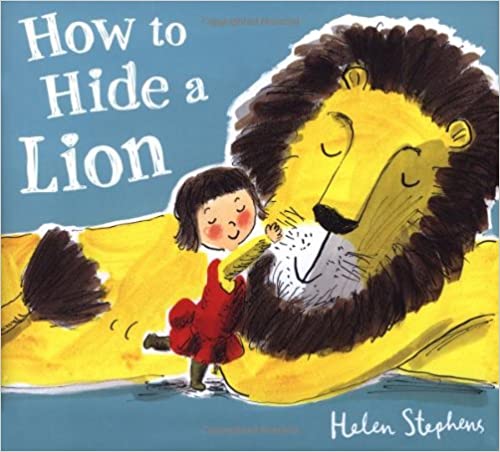
How to Hide a Lion
Iris finds a lion and hides him in her room. The premise is absurd. The execution is perfect. Helen Stephens’ illustrations are warm and funny. My daughter loved the idea of having a secret friend. Good for sparking imagination and understanding friendship.
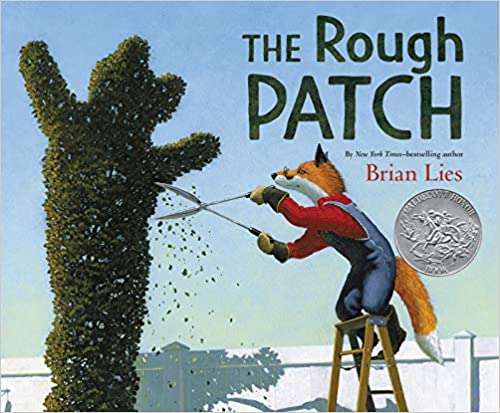
The Rough Patch
My wife’s favorite on this list. Evan the fox loses his dog. The garden they tended together becomes overgrown. This book handles grief honestly without being overwhelming. Caldecott Honor winner. Created a lot of questions from my son, but it helped raise empathy.
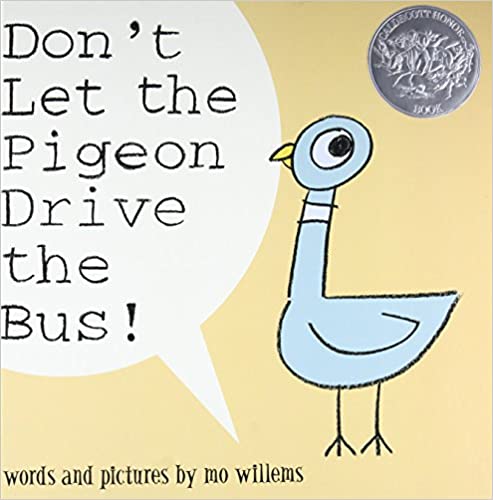
Don’t Let the Pigeon Drive the Bus!
The pigeon wants to drive the bus. The bus driver says no. The pigeon tries everything. Mo Willems’ minimalist art and hilarious dialogue make this one kids want to read over and over. My kids quoted this one for years.
Books About Big Feelings
Six-year-olds have big emotions. These books help them process without preaching.
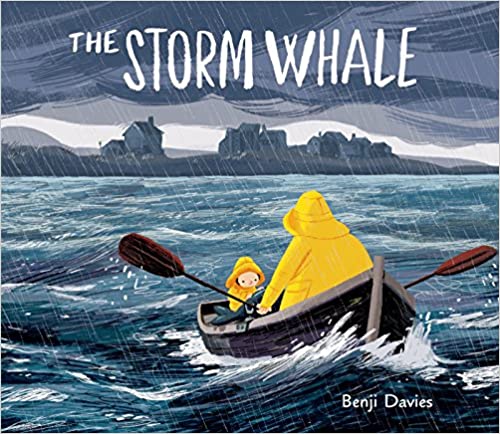
The Storm Whale
Noi lives by the sea with his father who’s always working. He finds a whale washed up on the beach. The story is about loneliness, connection, and letting go. Benji Davies’ illustrations are stunning. One of the most beautiful picture books we own.
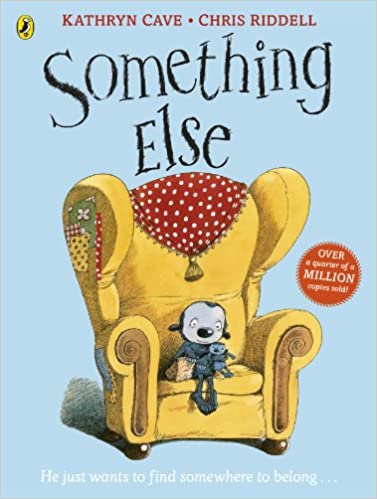
Something Else
Something Else doesn’t fit in. No matter what he tries, he’s always different. Then Something turns up at his door. This book handles the pain of not belonging and the surprise of finding your people. Simple story, powerful message.
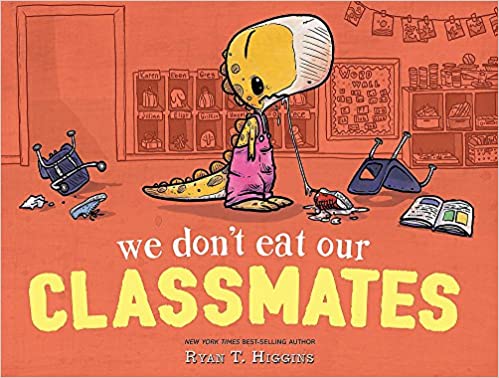
We Don’t Eat Our Classmates
Penelope Rex is a T-Rex starting school with human classmates. She keeps eating them. She has to learn self-control. Hilarious premise, surprisingly useful for talking about impulse control and making friends. My kids loved the twist at the end.
Funny Books They’ll Love
Six-year-olds get humor. These deliver.
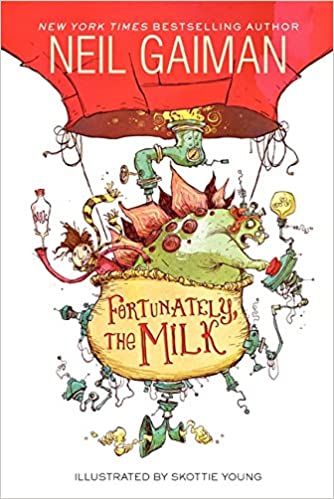
Fortunately, the Milk
Dad goes to get milk. He’s gone a long time. When he returns, he has a wild story involving aliens, pirates, and a time-traveling professor. Neil Gaiman at his most absurd. This is the book that made my son realize books could be genuinely funny. Illustrated chapter book, perfect for this age.
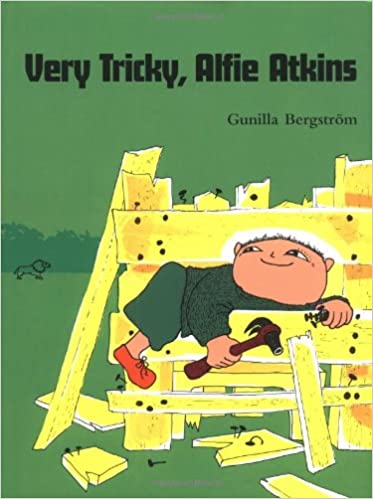
Very Tricky Alfie Atkins
Swedish classic about a boy who outsmarts a bully. There’s tension, clever thinking, and a satisfying resolution. Alfie Atkins books have a different feel from American picture books. My kids liked that Alfie solves his own problems.
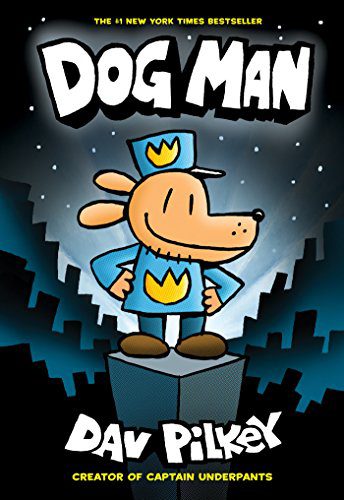
Dog Man
From the creator of Captain Underpants. Part dog, part policeman, all ridiculous. Graphic novel format with flip-o-rama pages. If your 6-year-old is resistant to reading, this might be the gateway. My son devoured the entire series.
Classics That Still Work
Some books last for a reason. These have been favorites for decades.
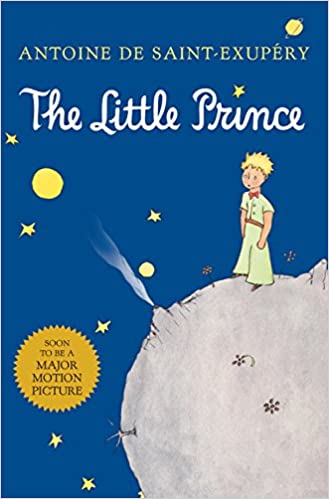
The Little Prince
A pilot stranded in the desert meets a small prince from another planet. The story is simple enough for six-year-olds to follow but has layers they’ll discover as they grow. We read this one multiple times at different ages. Published in 1943, still relevant.
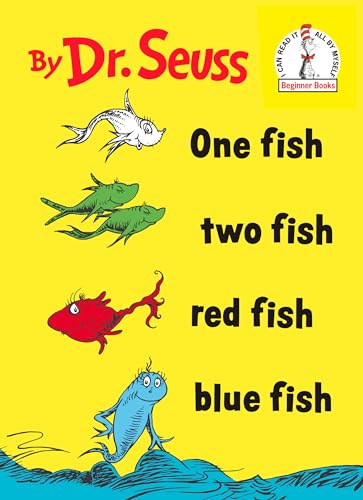
One Fish Two Fish Red Fish Blue Fish
Classic Dr. Seuss. Rhymes, nonsense creatures, and just the right amount of weird. Good for early readers because of the simple vocabulary and repetition. Published in 1960, still works.
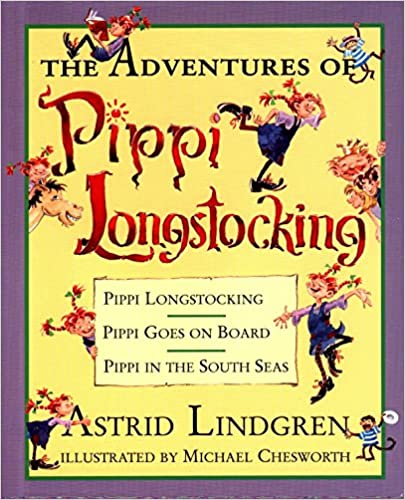
The Adventures of Pippi Longstocking
Pippi lives alone, has superhuman strength, and does whatever she wants. She’s chaotic, kind, and unforgettable. Astrid Lindgren created a character kids still love. This compilation has all three original books.
Hans Christian Andersen’s Complete Fairy Tales
The originals. The Ugly Duckling, Thumbelina, The Little Mermaid, The Snow Queen. These are darker than Disney versions. Published in 1835, still being read. Good for kids ready for stories with real stakes.

Early Chapter Books
Ready to move beyond picture books? These bridge the gap.
Fortunately, the Milk (listed above) is an illustrated chapter book perfect for transitioning from picture books. Short chapters, lots of pictures, genuinely engaging plot.
Dog Man (also listed above) works well here too. Graphic novel format makes it accessible. There are 12+ books in the series, so if they like the first one, you’re set for a while.
What’s Next?
Looking for younger? Check our Best Books for 5-Year-Olds
Want the overview? Read A Dad’s Guide to Children’s Books by Age

About These Recommendations
I’m George. I read to my kids for 10+ years before they started reading on their own. My wife’s a therapist who helped pick books that actually matter for development. Everything on this site got tested on our family first.
FAQ: Books for 6-Year-Olds
Most 6-year-olds are emerging readers. They can handle simple picture books independently and are starting to decode longer words. But they still benefit from being read to. Don’t rush independent reading. Read aloud together.
Picture books with more complex plots, early chapter books with illustrations, and graphic novels. Six-year-olds can handle stories about emotions, friendship conflicts, and even some darker themes like loss. They’re ready for books that don’t have neat endings.
Yes. Picture books aren’t just for preschoolers. Many are sophisticated enough for adults. Reading aloud builds vocabulary and comprehension faster than independent reading. Keep reading together as long as they’ll let you.
Absolutely. Graphic novels like Dog Man build reading skills just like traditional books. The visual storytelling helps comprehension. Many reluctant readers become avid readers through graphic novels.
They can sit through longer read-aloud sessions, they’re asking ‘what happens next’ at the end of picture books, and they’re interested in series characters. Start with illustrated chapter books like Fortunately the Milk or Mercy Watson.
One chapter book chapter per day, or 2-3 picture books. Bedtime reading is still valuable at this age. Let them pick sometimes, even if it’s the same book again.