Your support helps keep the site running! We recommend books and products we believe in. Some of the links on this page are affiliate links, which means we may earn a commission if you purchase through these links. Read our affiliate disclosure.
Four is when reading gets fun.
My kids could finally follow a real story at this age. They had opinions about characters. They predicted what would happen next. They asked “why” constantly (about everything, but especially about books).
Four-year-olds are past board books but not ready for chapter books. They need picture books with actual plots, characters they can root for, and endings that satisfy. Here’s what worked for us.
Best Overall Picks for 4-Year-Olds
These are the ones we kept coming back to. Tested on two kids, read dozens of times.
The Gruffalo
By Julia Donaldson, illustrated by Axel Scheffler
A mouse invents a monster to scare off predators. Then meets the actual monster. The rhymes are perfect. The twist is clever. My daughter quoted this book for years.
Smarties Prize winner. Works through age 6, so you’ll get good mileage.
✓ A mouse invents a monster to scare off predators. Then meets the actual monster. Julia Donaldson’s rhymes are perfect. The twist is clever. My daughter quoted this book for years afterward. Smarties Prize winner. Works through age 6, so you’ll get good mileage.
△ The Gruffalo’s description might scare sensitive kids. ‘Terrible tusks and terrible claws’ is fun for most, frightening for some. Read it yourself first if your kid spooks easily.
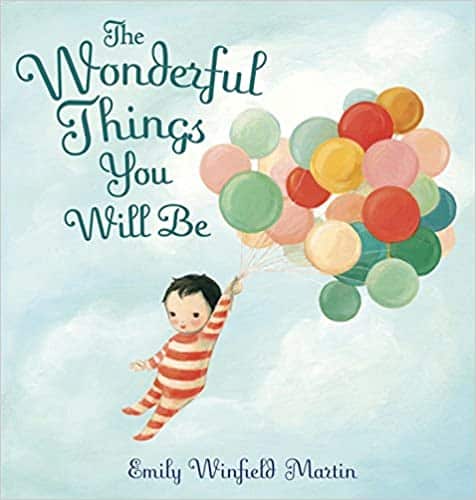
The Wonderful Things You Will Be
By Emily Winfield Martin
We read this at bedtime constantly. The illustrations are gorgeous. The message lands without being preachy. It’s about who your kid might become, and it hits differently as a parent.
✓ We read this at bedtime constantly when my kids were small. The illustrations are gorgeous and the message lands without being preachy. It’s about who your kid might become, and it hits differently as a parent. New York Times bestseller for a reason. Good gift book too.
△ Your kid may enjoy the illustrations more than the story. That’s fine. Parents will probably tear up regardless.
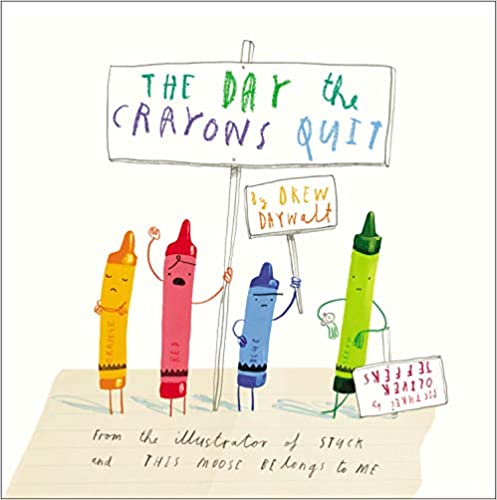
The Day the Crayons Quit
By Drew Daywalt, illustrated by Oliver Jeffers
Each crayon writes a complaint letter. Red is tired of working holidays. Beige feels ignored. It’s funny for kids and funnier for adults.
My son thought the crayons were “being dramatic” (his words). He wasn’t wrong.
✓ Each crayon writes a complaint letter. Red is tired of working holidays. Beige feels ignored. It’s funny for kids and funnier for adults. Oliver Jeffers’ illustrations are perfect. My son thought the crayons were ‘being dramatic.’ He wasn’t wrong.
△ Younger kids need help understanding the letter format. The jokes land better with adult guidance. Great read-aloud, but not one they’ll get alone.
Best Bedtime Books for 4-Year-Olds
Four-year-olds fight sleep. These books helped wind things down.
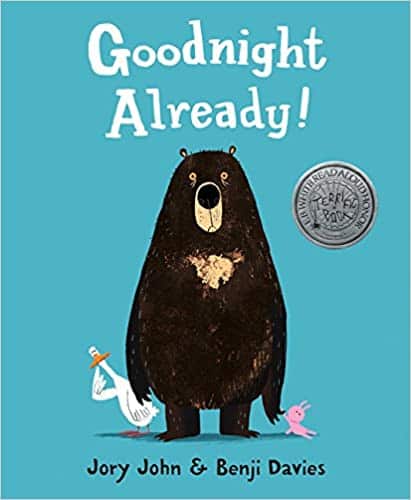
Goodnight Already!
By Jory John, illustrated by Benji Davies
Bear wants to sleep. Duck won’t leave him alone. Every parent relates to this immediately (though we’re usually the bear).
✓ Bear wants to sleep. Duck won’t leave him alone. Every parent relates to this immediately. We’re usually the bear. E.B. White Read-Aloud Honor book. Jory John and Benji Davies made something special here.
△ If your kid IS the duck (won’t stop talking at bedtime), this might backfire. Mine thought it was hilarious and kept asking questions. Your mileage may vary.
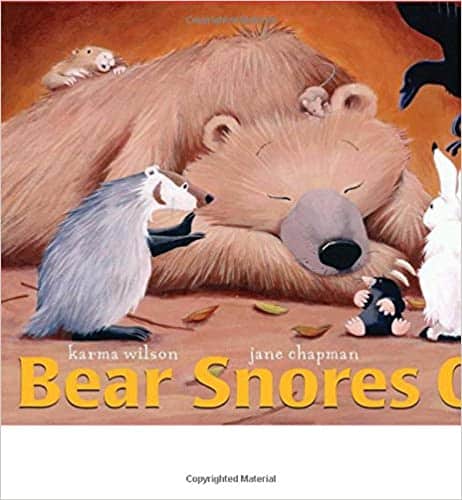
Bear Snores On
By Karma Wilson
Rhyming, cozy, gentle pace. Bear sleeps through a party in his cave. Good for settling hyperactive kids. First in a series if they love it.
✓ Rhyming, cozy, gentle pace. Bear sleeps through a party in his cave. Animals pile in to get warm. Good for settling hyperactive kids before bed. First in a series if they love it. Karma Wilson knows how to write a bedtime book.
△ Some printed versions are surprisingly small. Check dimensions before ordering. Also, if your kid asks ‘but why doesn’t the bear wake up?’ you won’t have a good answer.
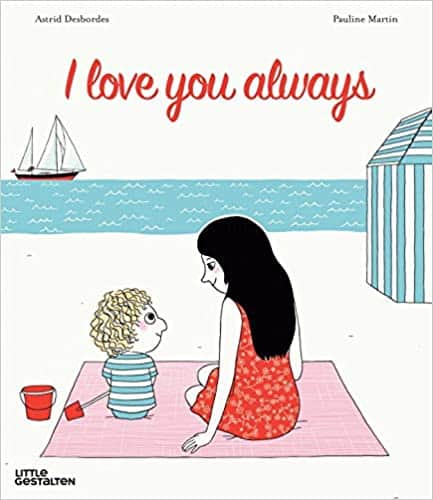
I Love You Always
Tender, quiet, perfect for the last book of the night. A mother expressing love for her child through contrasting illustrations. My daughter asked for this one when she needed reassurance.
✓ A mother expressing love for her child through contrasting illustrations. Left page shows the expected, right page the unexpected. Tender, quiet, perfect for the last book of the night. My daughter asked for this one when she needed reassurance.
△ Very short and very sweet. If your kid wants action or humor, skip this one. It’s pure emotion. Some parents will cry. You’ve been warned.
For Active, Energetic Kids
These work for kids who can’t sit still. Fast-paced, funny, or interactive.
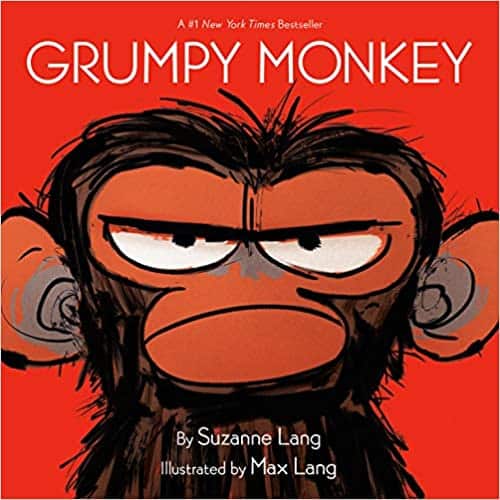
Grumpy Monkey
By Susan and Max Lang
A chimp wakes up grumpy. Everyone tries to fix him. Nothing works. He stays grumpy. And that’s okay.
Good for kids who need permission to feel their feelings. Funny enough to keep wiggly kids engaged.
✓ Jim the chimp wakes up grumpy. Everyone tries to fix him. Nothing works. He stays grumpy. And that’s okay. My son went through a phase where he needed permission to just feel bad sometimes. This book helped. Funny enough to keep wiggly kids engaged.
△ The message is basically ‘it’s okay to be grumpy’ which some parents find unsatisfying. No tidy resolution. That’s the point, but not everyone likes it.
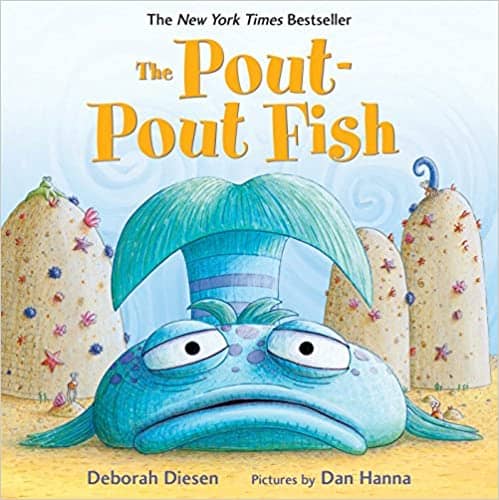
The Pout-Pout Fish
By Deborah Diesen
Rhyming, silly, builds to a twist ending. The repetition is almost musical. My son requested this during his “I only want funny books” phase.
✓ Rhyming, silly, builds to a twist ending. The repetition is almost musical. Mr. Fish thinks he’s destined to be sad. He’s wrong. My son requested this during his ‘I only want funny books’ phase.
△ The fish is genuinely sad for most of the book. The ending is happy, but getting there requires sitting with some heavy pout-pout energy. Some kids find that frustrating.
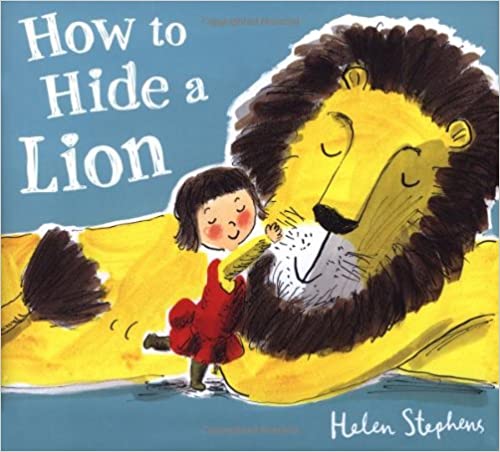
How to Hide a Lion
By Helen Stephens
A girl hides a lion from her parents. Action, humor, a sweet friendship. Moves fast. Good for kids who lose interest in slow books.
✓ A girl hides a lion from her parents. Action, humor, a sweet friendship. Moves fast. My kids loved the absurdity of hiding something that big. Good for kids who lose interest in slow books.
△ The story is simple. Almost too simple. Some kids will want more plot. Works better for younger readers who love the absurdity.
For Imaginative, Creative Kids
Art-focused, dreamlike, or creativity-themed.
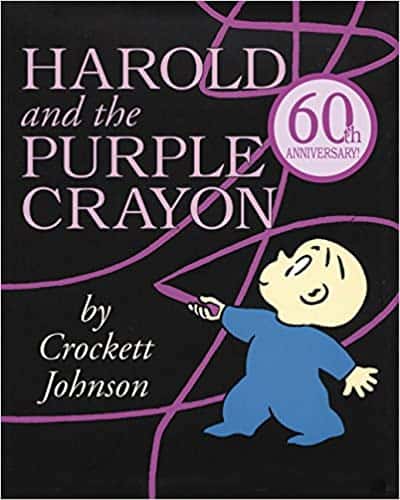
Harold and the Purple Crayon
By Crockett Johnson
A boy draws his world with a crayon. Simple concept. Infinite imagination. My daughter tried to recreate this with markers on the wall. (We moved on to paper after that.)
✓ Harold draws his world with a crayon. Simple concept. Infinite imagination. My daughter tried to recreate this with markers on the wall. We moved on to paper after that. A classic for a reason. Crockett Johnson understood something about kids.
△ The illustrations are minimal. Just purple lines on white. Some kids find it boring visually. Others are captivated. Know your kid. Also, may inspire wall art.
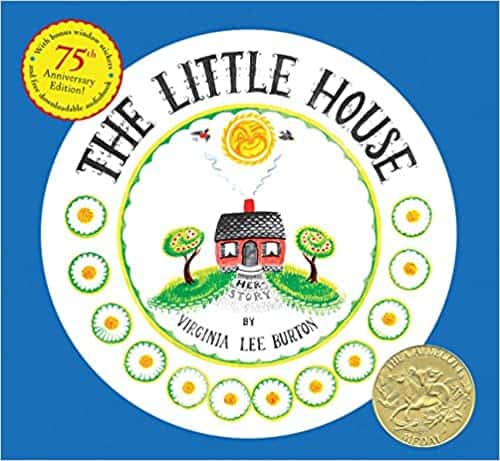
The Little House
By Virginia Lee Burton (Caldecott Winner)
A house watches the countryside become a city. Gorgeous illustrations. A little melancholy. Good for kids who notice details and ask questions about change.
✓ A house watches the countryside become a city over decades. Caldecott winner. Gorgeous illustrations. A little melancholy. My daughter noticed details in the pictures I missed. Good for kids who ask questions about change and time passing.
△ It’s long. 40 pages of watching a house feel sad about urbanization. Patient kids love it. Restless kids won’t make it through.
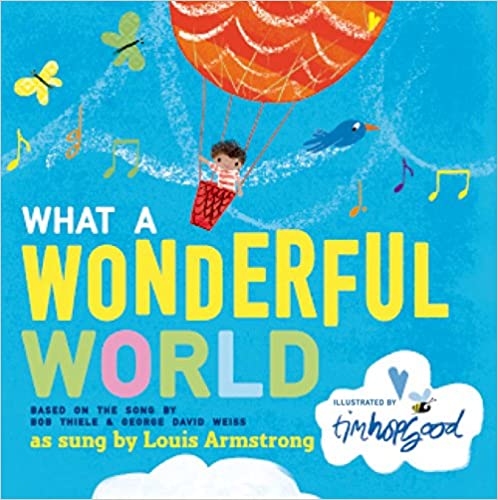
What a Wonderful World
By Bob Thiele
Louis Armstrong’s song as a picture book. Bright, optimistic, beautiful art. Good for kids who love color and music.
✓ Louis Armstrong’s song as a picture book. Bright, optimistic, beautiful art. Good for kids who love color and music. We’d sometimes sing along while reading.
△ Some editions don’t include the audio CD. Check before ordering if that matters to you. Also, it’s short. More of a mood piece than a story.
Books About Big Feelings
Four-year-olds have big emotions. These books help them process.
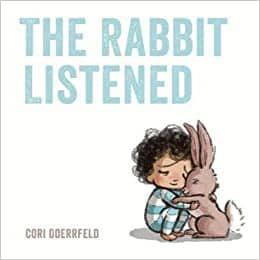
The Rabbit Listened
By Cori Doerrfeld
A girl builds something. It falls apart. Animals try to help in unhelpful ways. The rabbit just listens. That’s it. That’s the whole message.
My wife (a therapist) recommends this one constantly.
✓ Taylor builds something. It falls apart. Animals try to help in unhelpful ways. The rabbit just listens. That’s the whole message. My wife (a therapist) recommends this one constantly. Sometimes presence is enough.
△ It’s quiet. Really quiet. No jokes, no action. If your kid wants entertainment, this isn’t it. It’s more of a feelings book. Powerful if you need it, boring if you don’t.
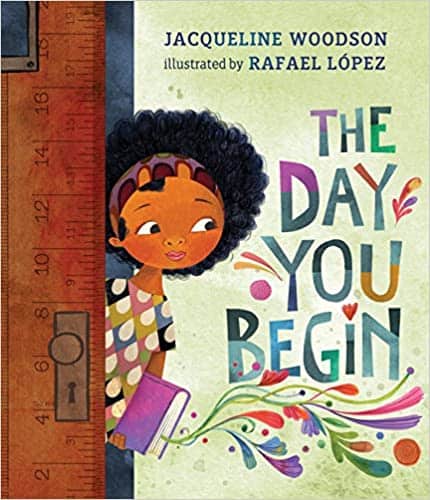
The Day You Begin
By Jacqueline Woodson
About feeling different. Skin color, language, what you eat for lunch. It opens conversations. Jacqueline Woodson was the National Ambassador for Young People’s Literature.
✓ Jacqueline Woodson wrote this about feeling different. Skin color, language, what you eat for lunch. Opens real conversations. She was the National Ambassador for Young People’s Literature. My wife uses this in her therapy practice with kids.
△ It’s a bit long and the vocabulary is advanced for 4-year-olds. Works better when you’re ready to pause and discuss. Not a quick bedtime read.
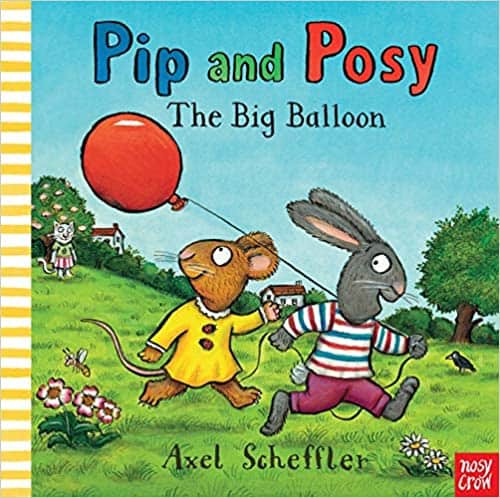
Pip & Posy: The Big Balloon
By Axel Scheffler
A balloon escapes. It pops. Pip is sad. Posy helps. Simple story about loss and comfort. Axel Scheffler (Gruffalo illustrator) has a gentle, accessible style.
✓ Simple story about losing something you love. The balloon pops. Pip is sad. Posy helps. That’s it. Axel Scheffler’s illustrations make the emotions clear without overdoing it. My kids asked for this one when they needed comfort after small disappointments.
△ Very short. If your kid wants a longer story, this won’t satisfy. Works best as one of several books at bedtime, not the main event.
Classics That Still Work
These have been around forever because they work.
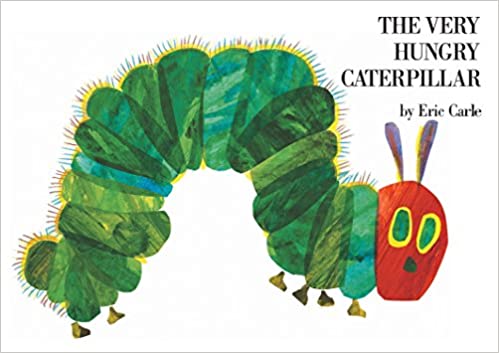
The Very Hungry Caterpillar
By Eric Carle
50+ million copies sold. Translated into 60+ languages. You probably know it. Your kid should too.
Simple, colorful, teaches days of the week and counting. Still holds attention.
✓ Eric Carle’s masterpiece. 50+ million copies sold. Translated into 60+ languages. You probably know it. Your kid should too. Simple, colorful, teaches days of the week and counting. Still holds attention after all these years.
△ Check the edition before ordering. Some versions are smaller than you’d expect. The board book is tiny. Get the full-size hardcover if you want the real experience.
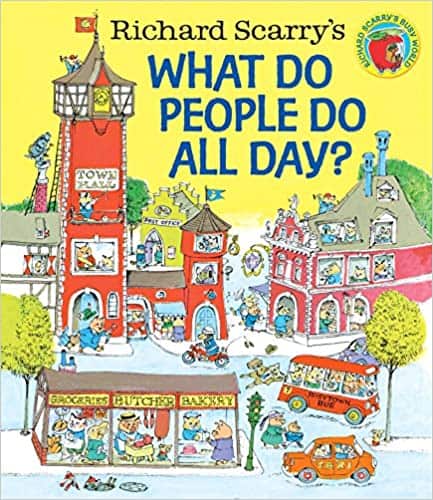
Richard Scarry’s What Do People Do All Day?
Busytown. Jobs. Vehicles. Details on every page. My son spent hours with this. Warning: some content is dated (gender roles, mainly). But the core is solid.
✓ Busytown. Jobs. Vehicles. Details on every page. My son spent hours with this. Follow construction workers, firefighters, farmers, doctors. The artwork rewards close looking. A classic that earns its reputation.
△ The book is dated. Gender roles are old-fashioned in places. Nurses are female, doctors are male, that kind of thing. Still worth reading, but be ready to comment on it.
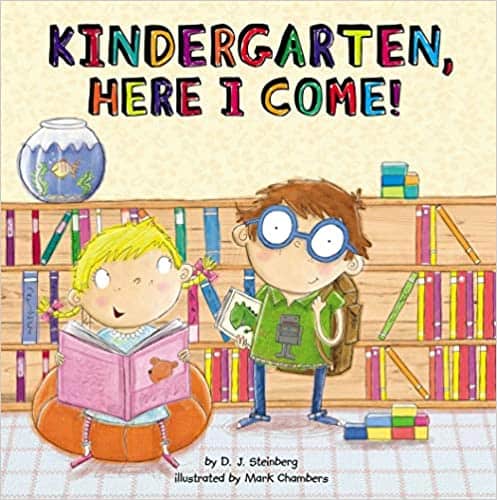
Kindergarten, Here I Come!
By D.J. Steinberg
Poems about starting school. Helpful if your 4-year-old is nervous about kindergarten. Light, fun, addresses real fears.
✓ Poems about starting school. Helpful if your 4-year-old is nervous about kindergarten. Addresses real fears with humor. Light touch. D.J. Steinberg keeps it fun without being preachy.
△ It’s poems, not a story. Some kids find the format disconnected. Each poem stands alone. If your kid wants narrative, this won’t satisfy.
Audiobook Tip
Most books on this list are available as audiobooks on Audible. Audiobooks are great for car rides, quiet time, and kids who are not quite reading independently yet. Professional narrators bring these stories alive in ways that help with vocabulary and listening comprehension. Try Audible free for 30 days and download a few to test with your kid.
I’m George. I read to my kids for 10+ years before they started reading on their own. My wife’s a therapist who helped pick books that actually matter for development. Everything on this site got tested on our family first.
Most 4-year-olds handle 24-40 pages. If they’re squirming halfway through, the book is too long (or too slow). Follow their attention, not the page count.
What reading level is right for a 4-year-old?
Forget grade levels. Look for picture books with one main storyline, clear illustrations that support the text, and not too many words per page. If they’re engaged, it’s the right level.
Should I let my 4-year-old pick their own books?
Yes. Even if they pick the same book 47 nights in a row. Repetition is how they learn. If they chose it, they’ll pay attention.
How many books should we read per day?
2-3 is a good target. One in the morning or afternoon, 1-2 at bedtime. But one book read well beats three books rushed through.